Essential Airport Ground Handling Equipment for Ramp Agents
Key Takeaways
- Ramp agents are the backbone of below-the-wing operations – responsible for marshaling aircraft, handling baggage and cargo, connecting ground power, coordinating pushbacks, and ensuring every turn moves safely and on schedule.
- Personal gear – including ANSI-rated high-visibility apparel, muff-mic aviation headsets, safety footwear, gloves, two-way radios, and LED marshaling wands – is the first line of defense for ramp safety in high-noise, all-weather environments.
- Safe aircraft arrival and departure sequences require precise coordination between marshalers, wing walkers, tug operators, and flight crews – with aircraft always holding the right-of-way over ground vehicles within the restricted area.
- Core GSE for ramp operations spans a wide range of equipment – from wheel chocks, safety cones, baggage carts, and belt loaders to pushback tugs, ground power units, PCA units, deicers, lavatory carts, and potable water carts – each with specific positioning, safety, and compliance requirements.
- FOD prevention, spill response readiness, restricted-area driver permits, and adherence to airport-specific ramp safety manuals are non-negotiable components of professional ground handling operations.
- Pilot John International carries a comprehensive range of GSE and personal ramp gear from trusted brands including David Clark, Eagle Tugs, Tronair, FoxCart, Brackett, and many others – with aviation specialists available to help match the right equipment to your aircraft mix and gate layout.
Ramp agents are the “below-the-wing” pros who keep flights moving safely and on time. They work outdoors on the airport ramp – often in heat, cold, wind, rain, and around jet noise – coordinating people, aircraft, and ground support equipment (GSE) in a tightly choreographed environment.
Having the right ground handling equipment isn’t just convenient; it’s essential for safe aircraft servicing, protecting sensitive systems, and maintaining on-time performance across fast turnarounds. In this article, we’ll cover the role of ramp agents, the personal gear they rely on, the core ground handling equipment that powers airport ground operations, and where to source everything confidently.
What Is a Ramp Agent?
A key member of the airport ground crew, a ramp agent is a trained professional who performs aircraft ground handling on the ramp (apron). That includes marshaling aircraft to and from the gate, handling baggage and cargo, staging safety cones and wheel chocks, and assisting with basic aircraft servicing. Because work takes place on active ramps, airports require specific ramp driving permits, PPE, and adherence to site-specific traffic and spill procedures to keep operations safe and compliant.
Ramp agents work in high-noise areas around jet engines and APU exhaust, in all weather, and often on nights, weekends, and holidays. Training and vigilance are constant: agents must follow posted speeds, yield to aircraft, and comply with restricted-area driving rules and vehicle reflectivity requirements when operating tugs, baggage carts, and other ground support equipment. Many airports also enforce written pushback, fueling, lavatory, and deicing procedures, which teams must understand and practice.
What Does a Ramp Agent Do?
Day to day, ramp agents handle cargo and baggage, position container dollies and baggage carts, operate belt loaders, and secure loads for taxi, takeoff, and landing. They also connect ground power units (GPUs) and pre-conditioned air (PCA) units, assist with aircraft deicing when required, and coordinate with flight crews and maintenance to keep turnarounds on schedule.
Turnarounds are team efforts. Ramp agents communicate via aviation headsets and two-way radios, adhere to strict safety and FOD (foreign object debris) procedures, and verify that all ground support equipment (GSE) is properly positioned, reflective, and serviceable. They also follow established airport protocols for fueling, lavatory, and potable water servicing to maintain safe and efficient ground operations.
One of the most visible and critical parts of the job comes when ramp agents guide aircraft to and from the gate – an intricate process that requires precision, teamwork, and constant communication.
How Do Ramp Agents Guide Aircraft Safely to and from the Gate?
Upon arrival, a marshaler in high-visibility clothing uses illuminated wands to guide the aircraft to its designated stop line, while wing walkers confirm wingtip clearance. The ground crew places safety cones to define the aircraft’s safety envelope and installs wheel chocks once the engines have spooled down and the beacon is off.
On departure, pushback begins only after doors are closed, the jet bridge is retracted, GSE is clear, and anti-collision lights are on; the headset-equipped tug driver or gate lead maintains two-way communication with the cockpit.
During motion, wing walkers monitor clearances and direct vehicles to hold; aircraft always have priority over vehicles within the restricted area. These sequences – and the visibility/reflector requirements for ramp vehicles – are spelled out in airport ramp safety manuals and must be followed precisely.
What Personal Equipment Do Ramp Agents Need?
Personal gear must support clear communication, visibility, and hearing protection while withstanding the rigors of ramp conditions. Many airports list PPE requirements in their ramp safety manuals and driver-permit training materials, so confirm your airport’s exact standards before making a purchase.
High-Visibility Apparel
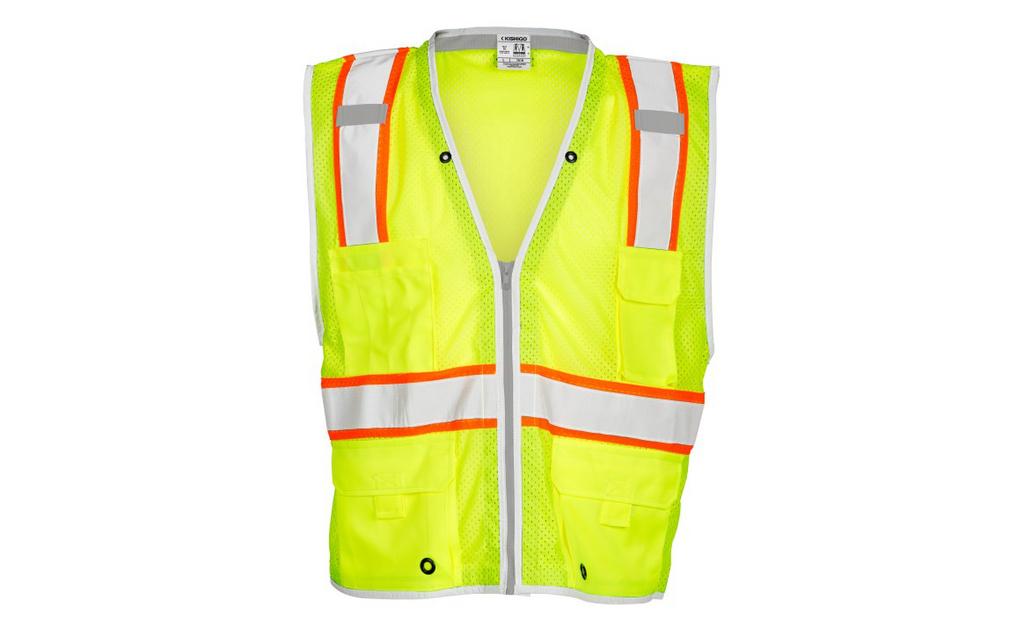
High-visibility vests and jackets with reflective striping make ramp agents more conspicuous around moving aircraft and vehicles, both during the day and at night. Select ANSI-rated high-visibility clothing that is sized for layering and weather changes.
Ground Support Headsets
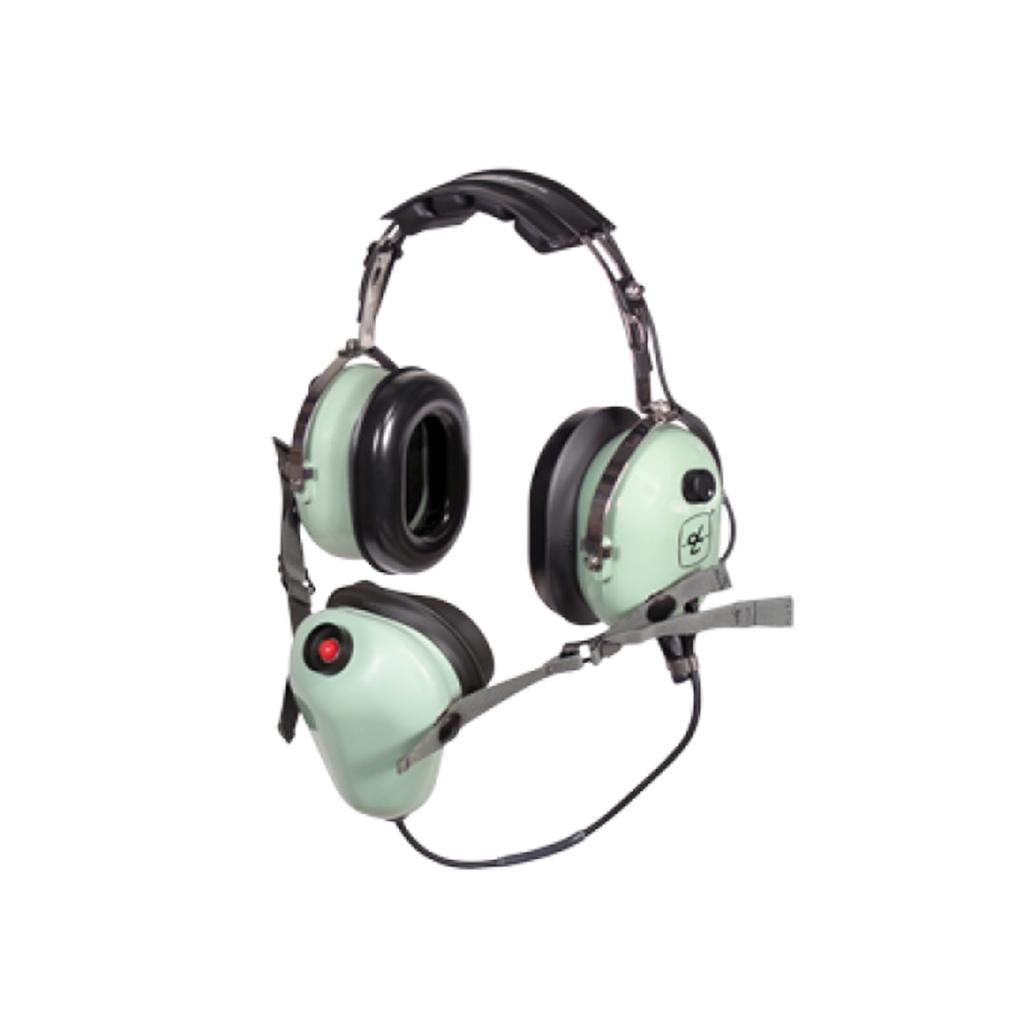
Muff-mic style aviation headsets combine robust hearing protection with a boom microphone for clear, hands-free communication on the airport ramp. Look for features such as passive or active noise reduction, push-to-talk (PTT) capability, and quick-disconnect cords for enhanced safety and convenience. Often used during pushback or deicing, these headsets are compatible with tug intercoms or portable radios, ensuring reliable coordination between the ground crew and the flight deck.
Gloves
Durable, grippy gloves protect hands when handling baggage, cargo dollies, towbars, and placing safety cones. In colder climates, insulated options preserve dexterity for marshaling and chocking wheels.
Safety Footwear
Steel or composite-toe safety footwear with oil- and slip-resistant soles reduces the risk of injury while towing baggage carts, operating belt loaders, and working near aircraft wheels and brakes.

Two-Way Radios
Reliable radio transceivers (or radio/direct headsets) enable constant coordination among ramp agents, tug drivers, and gate leads. Match radios to airline or airport channel plans and ensure headsets integrate cleanly.
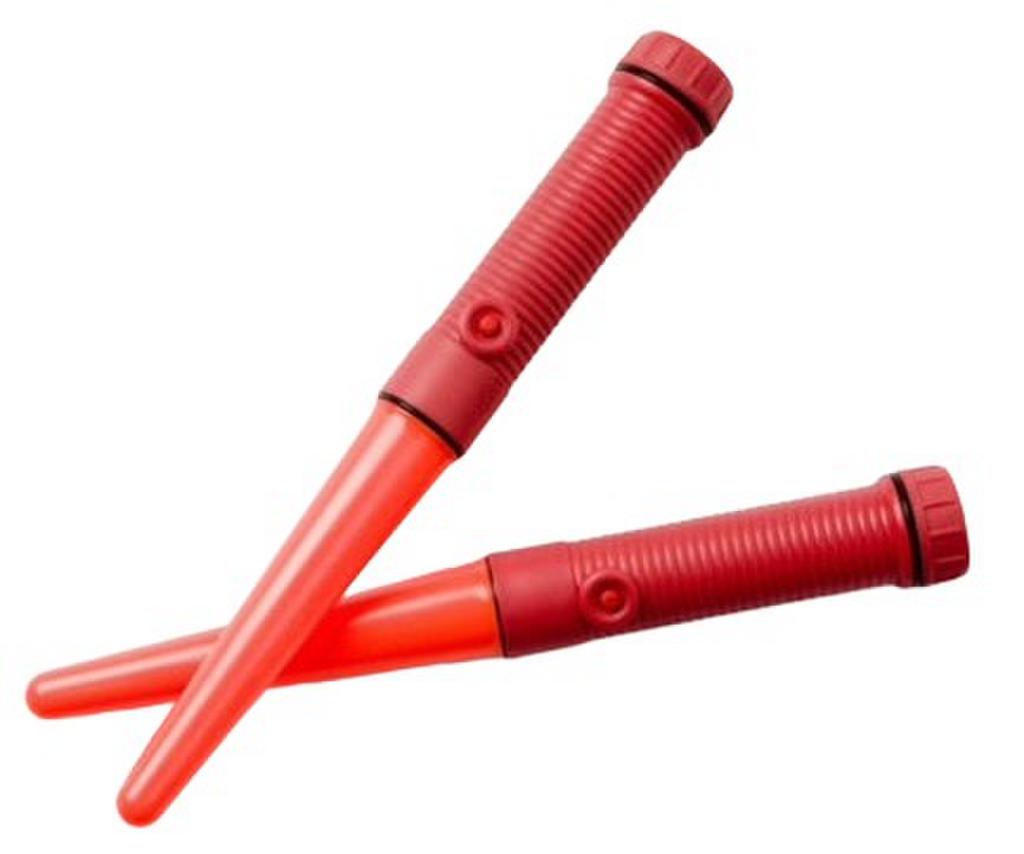
Marshaling Wands
LED marshaling wands provide clear guidance to pilots in low-light or reduced-visibility conditions and help wing walkers signal clearance during turns and pushback.
What Ground Support Equipment Should Ramp Agents Have on Hand?
A ramp team’s core GSE mix depends on aircraft type, gate layout, and airline procedures. The goal is to achieve consistent, safe aircraft ground handling with a fast, predictable flow through each task.

Safety Cones
Safety cones delineate the safety envelope, mark hazards, and guide vehicle movement. Use highly visible, reflective cones sized to your airfield’s standards.
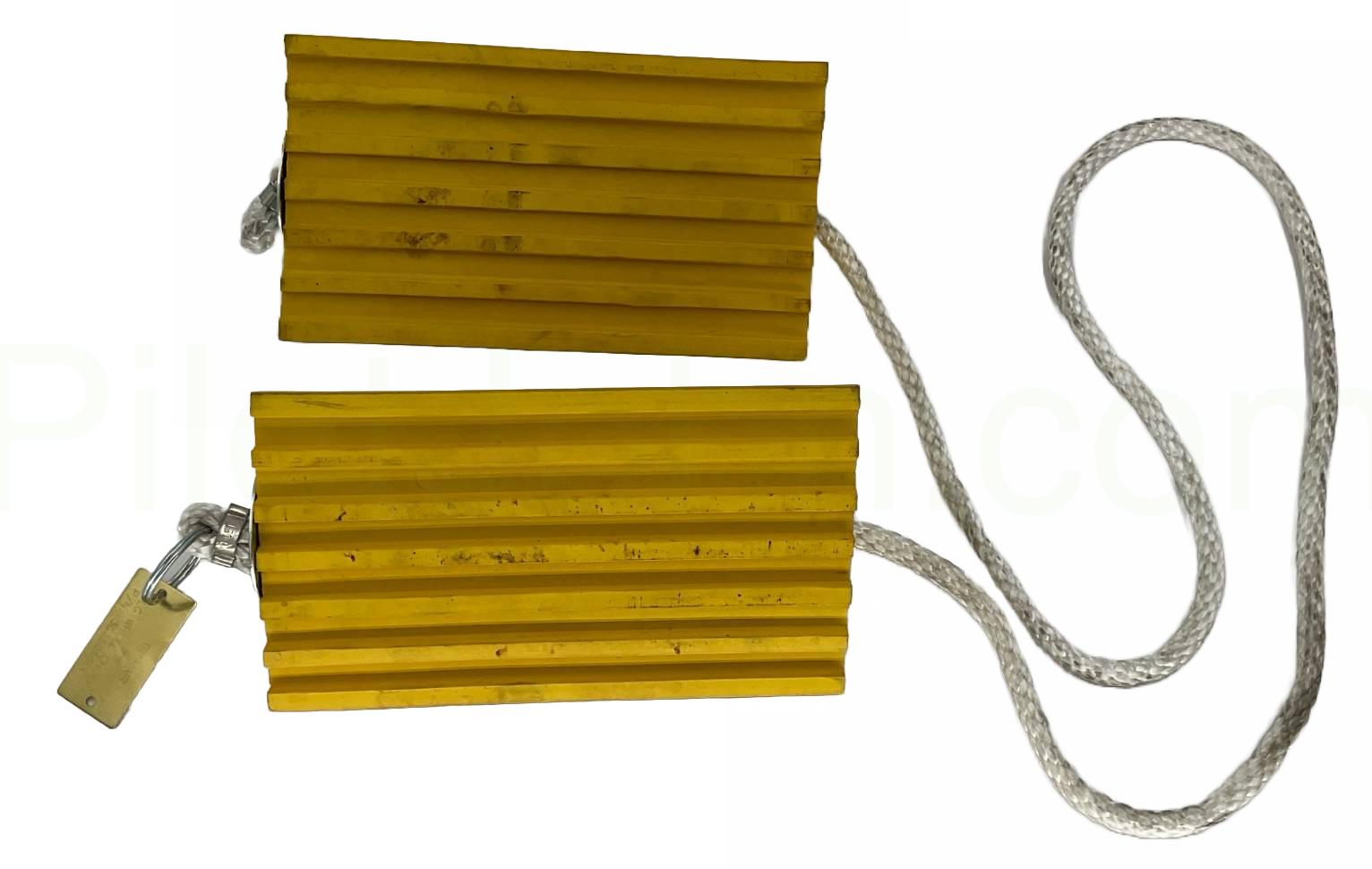
Wheel Chocks
Wheel chocks immobilize the aircraft when it is parked. Position aircraft wheel chocks fore and aft as required by your carrier or airport.
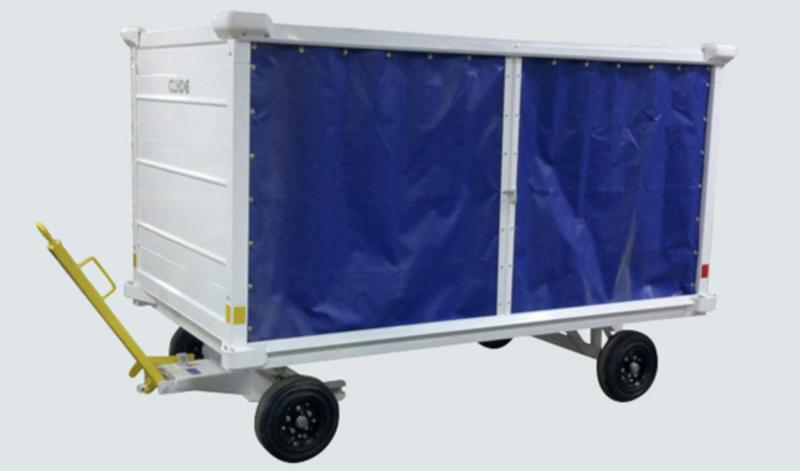
Baggage Carts
An airport baggage cart streamlines the cargo handling process for ramp agents between the terminal and the aircraft. Ensure reflectors and couplers meet local rules for towing trains on service roads.
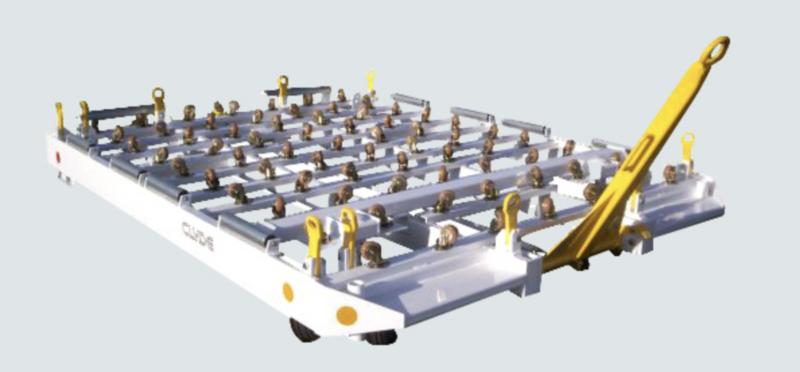
Cargo Dollies
Cargo dollies and container trailers carry ULDs and outsized items. Verify tow-length limits and load securement per airport traffic rules.
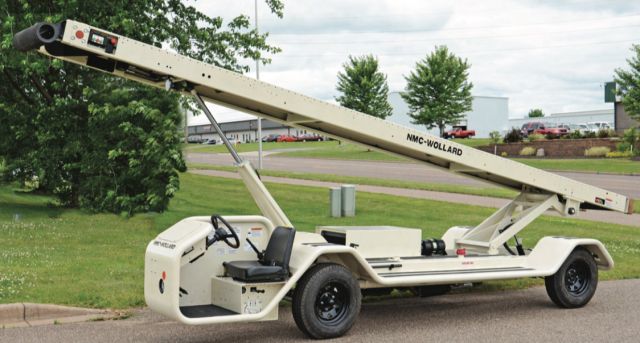
Belt Loaders
A belt loader speeds loading/unloading while reducing strain on baggage handlers. Train operators on approach angles and maintaining a safe standoff distance from aircraft doors.
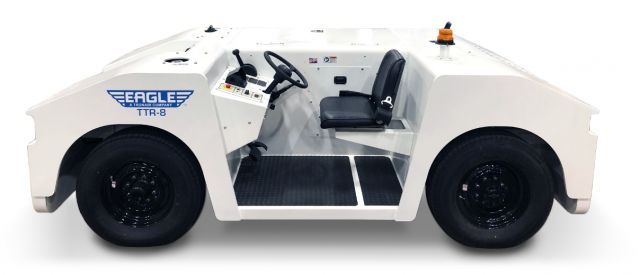
Pushback Tugs
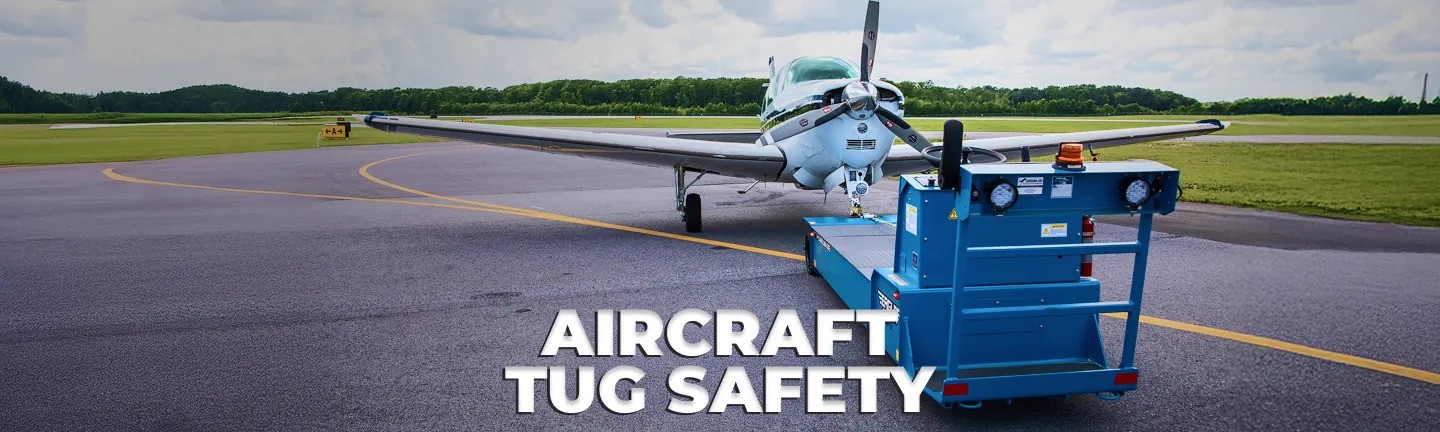
A pushback tug connects via an aircraft towbar or, in towbarless systems, automatically captures the nose gear. Coordinate wing walkers, headset comms, and ATC clearance during pushback – aircraft always have the right-of-way.
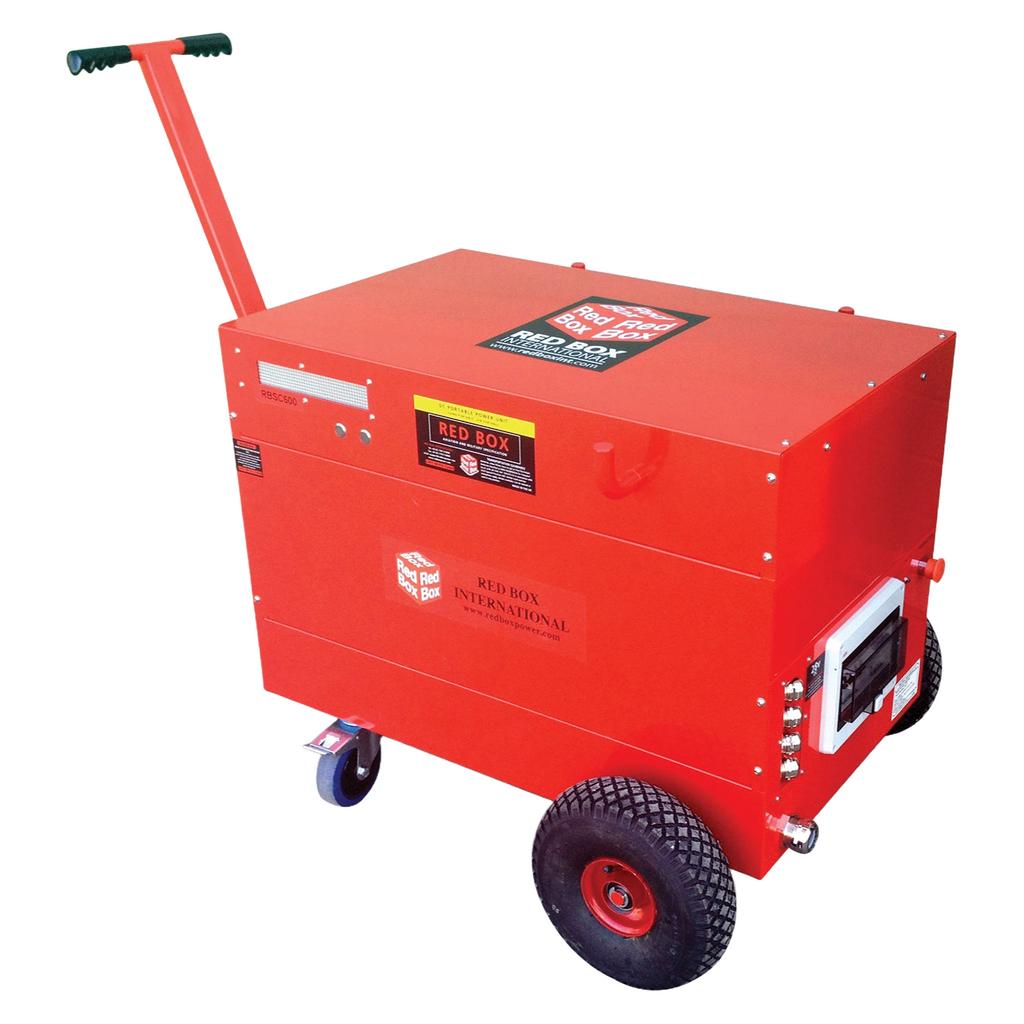
Ground Power Units (GPUs)
A ground power unit supplies electrical power, enabling crews to operate avionics and lighting without relying on the APU. Confirm voltage and frequency, as well as cabling practices, before use.
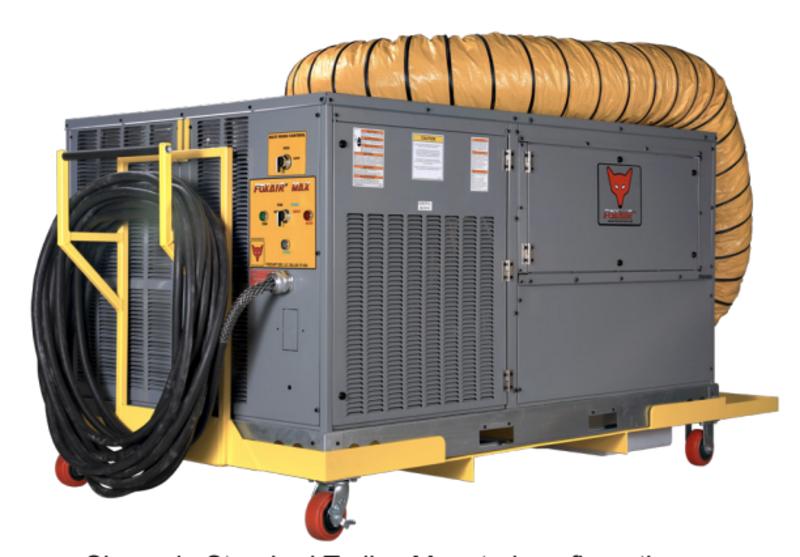
Pre-Conditioned Air (PCA) Units
PCA units provide cabin cooling or heating during ground time, protecting avionics and ensuring passenger comfort without requiring engine starts.
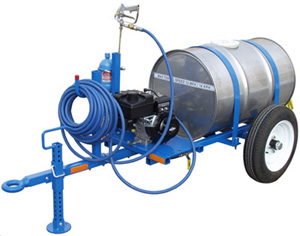
Deicers
A deicer, also known as an aircraft deicing unit, removes frost, ice, and snow. Airports may require deicing notifications, drain covers, and post-operation cleanup documentation.

Lavatory Carts
An aircraft lavatory cart, often referred to as simply a lav cart, safely removes waste; operators must carry absorbent materials and follow spill containment procedures.
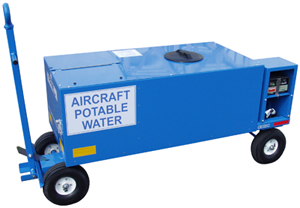
Potable Water Carts
Potable water carts refill onboard water systems and follow sanitation and spill-prevention practices set by the airport.
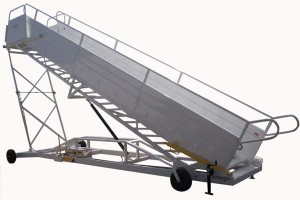
Passenger Stairs
Mobile stairs serve aircraft without jet bridges and must be positioned carefully within the safety cone envelope.

Fuel Carts
Fuel carts and refuelers support aircraft refueling. Fuel servicing requires trained personnel, chocking, fire extinguishers, bonding, and documented spill response.
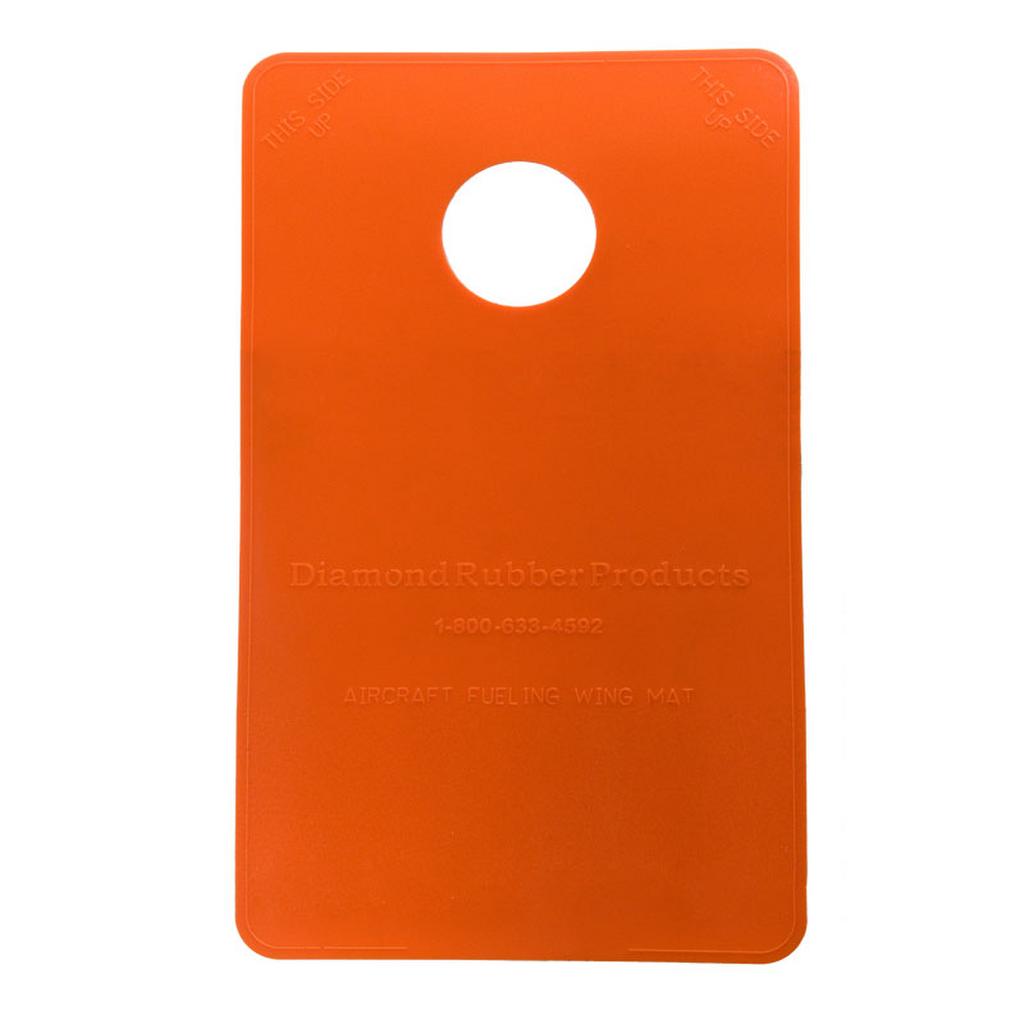
Fuel Mats
Fuel mats are designed to catch drips and leaks from aircraft fueling equipment, thereby preventing fuel from seeping into the ground.
What Should Be on Every Ramp Agent’s Safety Checklist?
Before each turn, clear the stand for FOD and debris, verify safety cones and wheel chocks are staged, and check that the belt loader, baggage tug, and aircraft tugs display reflectors and function correctly. Confirm posted speed limits on the service road, horn-use practices, and give emergency vehicles priority as required.
If refueling or servicing lavatory or potable water systems, have absorbent materials ready and follow the airport’s spill classification, containment, cleanup, and reporting procedures.
Many airports require restricted-area driver permits, training refreshers, and adherence to gate arrival/pushback procedures. Review your local handbook regularly and document training for audits.
Where Can I Find High-Quality Ground Handling Equipment for Ramp Agents?
Pilot John International® (PJi®) is your one-stop source for ground support equipment and personal ramp gear – from aviation headsets and two-way radios to wheel chocks, safety cones, belt loaders, baggage carts, container trailers, pushback tugs, and more.
We also supply GPUs, air conditioning units, aircraft deicers, lavatory carts, potable water carts, passenger stairs, and fueling equipment to streamline ground handling operations. Whether you’re outfitting a new station or replenishing critical spares, our team helps you select the right airport ground support equipment for your aircraft mix and ramp layout.
PJi provides the equipment, expertise, and product options that align with fleet maintenance, parts stocking, and training needs – helping your ramp agents work safely and efficiently in any season. Whether you need guidance on matching an aircraft tug to a towbar, selecting a ground power unit for your gate, or choosing a compatible aviation headset for your radios, PJi has you covered.
The Bottom Line
Reliable ground handling equipment underpins safe, efficient airport ground operations. PJi is your resource for marshaling wands, GSE headsets, wheel chocks, safety cones, belt loaders, baggage carts, pushback tugs, and aircraft towbars, as well as ground power units, air conditioning and heating units, deicers, lavatory and potable water carts, passenger stairs, and fueling equipment.
We offer premium-quality aircraft GSE and safety gear from the top brands in the industry – including Able Products, Alberth Aviation, Bogert, Brackett Aircraft Company (BAC), Clyde, David Clark, Diamond Rubber Products, Eagle Tugs, FoxCart, ICOM, Innoquest Inc., Kishigo, Motrec, NMC-Wollard, Red Box, Smart Ass Products, StartPac, StartStick, Tronair, and Unitron.
Ready to outfit or upgrade your ramp? Contact PJi’s aviation specialists by phone, email, or live chat for tailored recommendations, turnkey ramp solutions, and dependable support that keeps your airport ground crew efficient and your flights on time.