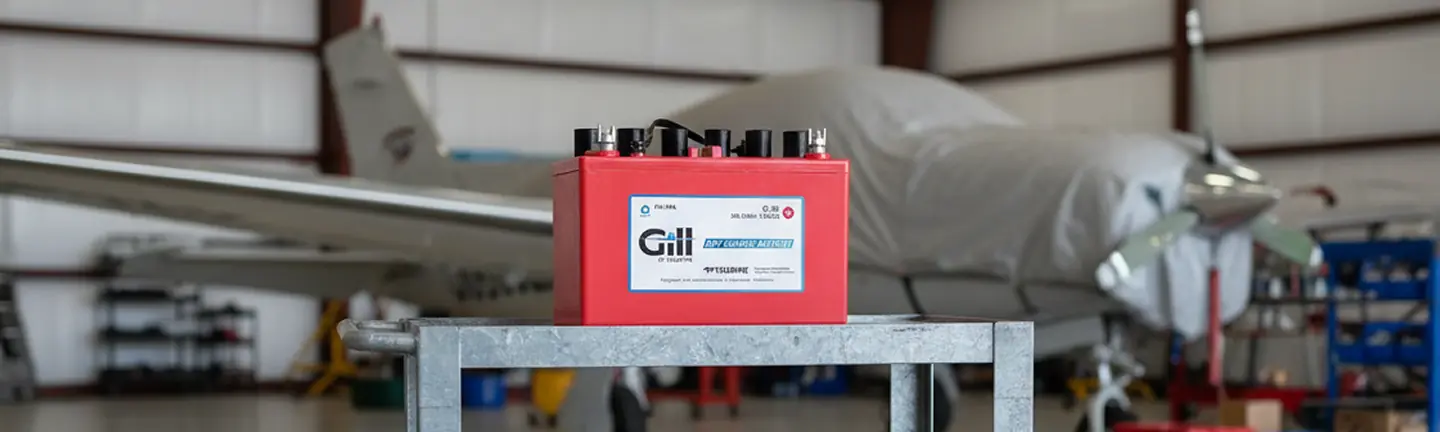






Why Sealed VRLA Aircraft Batteries Are a Smarter Power Choice
Key Takeaways
- Sealed VRLA aircraft batteries provide reliable power for critical systems – supporting engine starts, avionics, and emergency operations.
- Their sealed, valve-regulated design minimizes maintenance – eliminating the need for routine watering and reducing the risk of leaks or corrosion.
- VRLA batteries use internal gas recombination technology – improving efficiency and extending service life compared to traditional flooded batteries.
- Compared to lithium-ion and nickel-cadmium options, VRLA batteries offer a balance of safety, cost-effectiveness, and ease of maintenance.
- Their vibration resistance and flexible installation capabilities make VRLA batteries well-suited for demanding aviation environments.
Reliable battery performance is foundational to flight safety, avionics integrity, and on-time operations. From engine starts and APU cranks to emergency bus power, aircraft depend on batteries that deliver consistent output in demanding environments.
Among the available chemistries, sealed valve-regulated lead-acid (VRLA) batteries stand out for combining proven lead-acid robustness with smart engineering that reduces maintenance and mitigates common risks. In this article, we’ll explore how sealed VRLA batteries work, how they compare to other aircraft battery types, and why they’re a preferred choice among operators and technicians.
What Is a Sealed Valve-Regulated Lead-Acid (VRLA) Battery?

VRLA batteries evolved to address a long-standing issue with flooded cells: the need for fluid loss and ventilation during charging. By sealing the electrolyte and managing internal gas pressure, VRLA designs deliver dependable power without routine watering, while improving safety in enclosed compartments. This maintenance-free convenience has made VRLA chemistry a mainstay across aviation platforms where reliability and turnaround time are non-negotiable.
“Sealed” indicates that the battery’s electrolyte is immobilized and contained within an airtight case, minimizing spills and evaporation. “Valve-regulated” refers to low-pressure one-way valves that maintain a slight internal pressure and open only when necessary to vent excess gas, thereby protecting the case from rupture. Together, these features enable internal gas recombination while preventing the routine water loss that plagues traditional flooded designs.
In aviation contexts, VRLA batteries are typically built as AGM (Absorbent Glass Mat) or gel variants. AGM uses fiberglass mats to hold the sulfuric acid against the plates; gel mixes the electrolyte with silica to form a stable gel. Both approaches eliminate “free” liquid and support oxygen recombination inside the cell, thereby reducing gassing and maintenance while enabling safe use in tighter, less-ventilated spaces.
How Do Sealed VRLA Batteries Work?
VRLA batteries leverage “recombinant gas” chemistry. During charging, oxygen generated at the positive plates migrates through the separator to the negative plates, where it recombines to form water, replacing what would otherwise be lost as vapor. Because the cell operates at a slight internal pressure regulated by one-way valves, recombination proceeds efficiently and venting is minimized under normal conditions.
AGM or gel separators immobilize the electrolyte, which allows the battery to operate in orientations not recommended for flooded cells. The immobilized acid and tightly packed plates also enhance vibration resistance – a critical advantage for aircraft-installed power. When overcharge or temperature abuse occurs, the safety valves will vent; otherwise, the system remains sealed and maintenance-free.
How Do Sealed VRLA Batteries Differ from Other Aircraft Battery Types?
Aircraft draw on a range of battery chemistries, each suited to specific operational needs. Let’s compare how sealed VRLA stacks up against dry-charged (flooded) lead-acid, lithium-ion, and nickel-cadmium technologies found throughout the aviation industry.

Dry-Charged Lead-Acid Batteries
Dry-charged (flooded) batteries ship without electrolyte or require periodic watering once activated. They are familiar, affordable, and, when properly maintained, can offer long life in certain duty cycles. However, they must remain upright, require venting, and undergo regular maintenance routines, all of which VRLA designs largely eliminate thanks to their sealed construction and internal gas recombination.
For operators, that difference translates into fewer maintenance touches and more flexible installation with VRLA – advantages that support quick turns and reduce the risk of acid exposure in crowded avionics bays.
Lithium-Ion Batteries
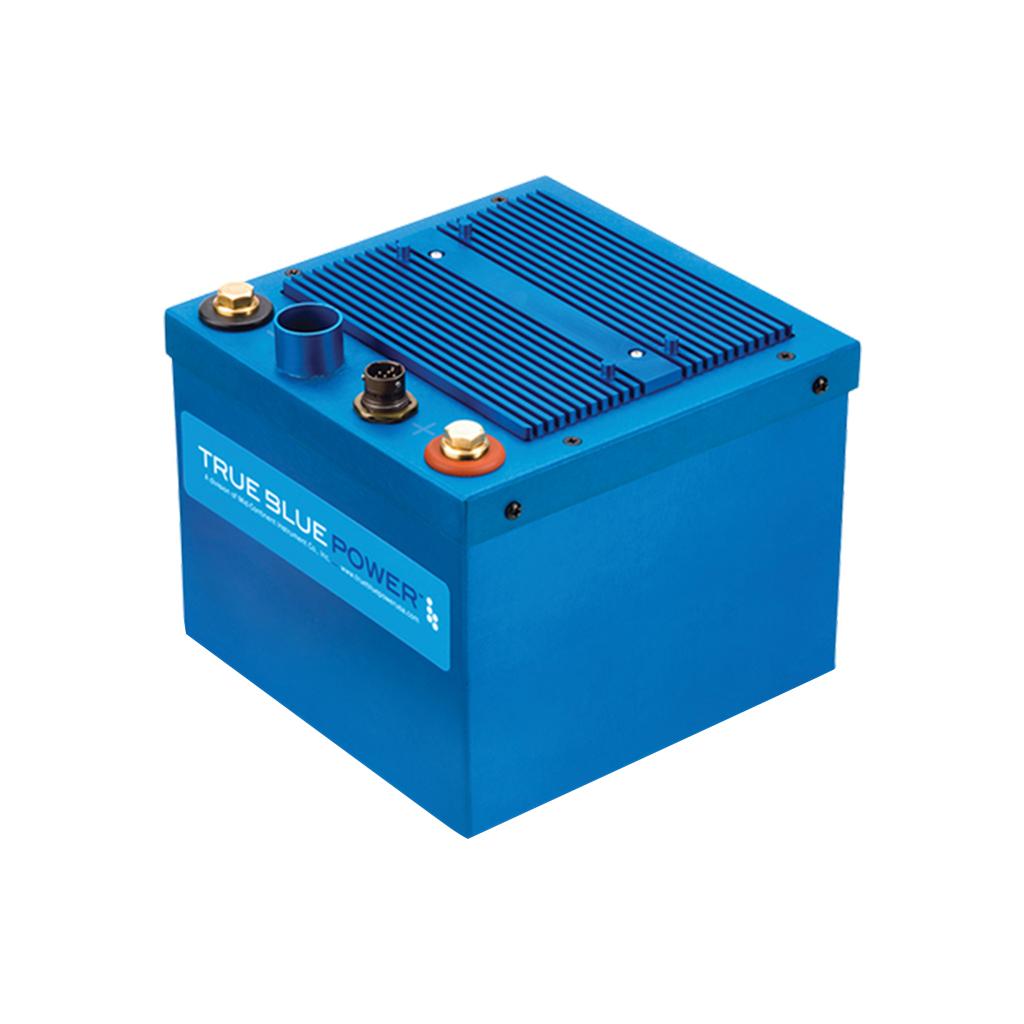
Lithium-ion (Li-ion) batteries offer exceptional energy density, fast charging, and long cycle life, albeit at a higher upfront cost. They require battery management systems, strict charging controls, and more rigorous safety engineering to mitigate the risks of thermal runaway. Many aircraft continue to use VRLA batteries due to the chemistry’s long safety record, predictable behavior, and broad regulatory acceptance, while lithium-ion batteries are selected when weight and endurance gains justify the added cost and complexity.
From a life-cycle perspective, lithium-ion often wins on weight and replacement intervals, but VRLA remains cost-effective, widely serviceable, and nearly fully recyclable – priorities for many operators seeking reliable power with straightforward logistics.
Nickel-Cadmium Batteries
Nickel-cadmium (NiCd) has a long history in aviation for high-power starts and cold-temperature reliability. However, the chemistry introduces environmental considerations (such as cadmium), periodic conditioning, and specialized charging/maintenance procedures. Sealed VRLA batteries avoid those burdens while providing robust starting and standby performance, making them a practical alternative for many fleets focused on lower maintenance and simpler handling.
Why Are Sealed VRLA Batteries Preferred for Aircraft?
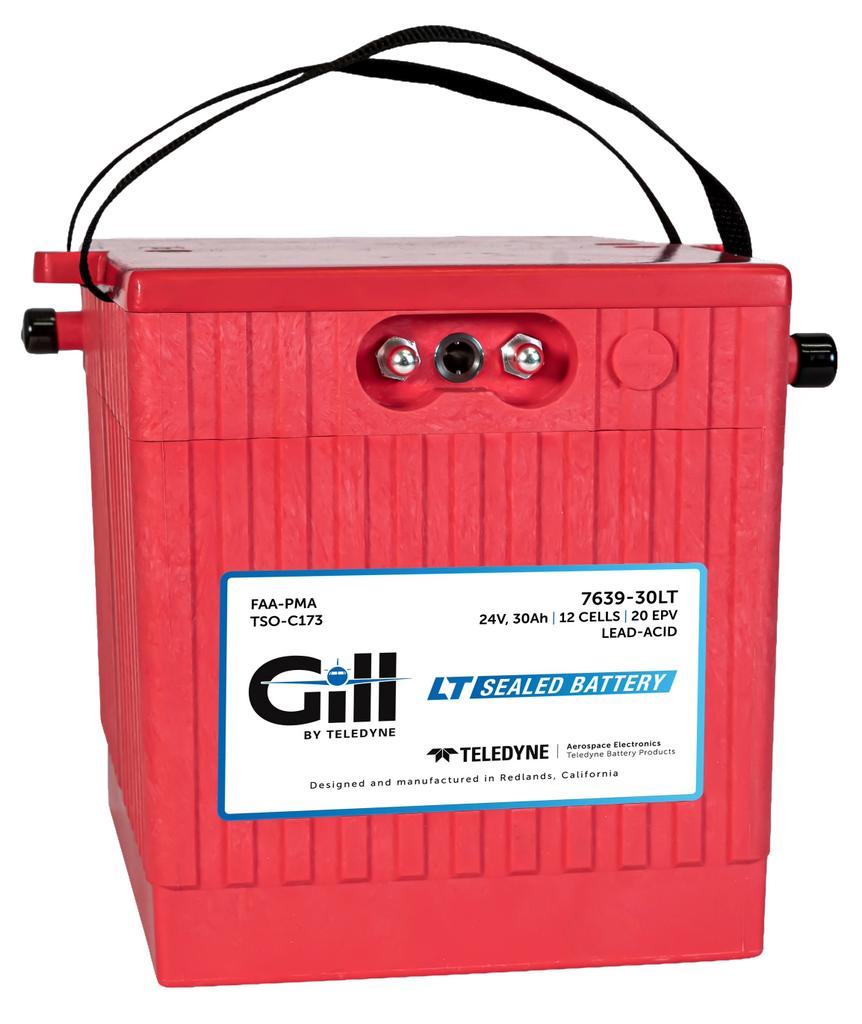
Maintenance-free operation is the headline benefit. VRLA batteries don’t require routine watering because recombination maintains electrolyte balance – saving labor and reducing human-factor errors. The sealed, spill-proof design enhances safety in tight compartments and reduces the risk of corrosion around sensitive wiring and avionics.
They’re also tough. AGM construction immobilizes the electrolyte, allowing cells to handle vibration and shock better than their flooded equivalents, which supports consistent output across taxi, takeoff, and turbulence. Flexible mounting orientations ease installation in space-constrained bays. Collectively, these traits reduce downtime, enable faster turns, and lower the total cost of ownership for operators managing mixed fleets and variable duty cycles.
Why Choose Teledyne Gill Sealed VRLA Aircraft Batteries?
Teledyne Gill is a recognized name in aviation batteries, offering sealed VRLA models engineered for aircraft power demands and vetted for compatibility across a wide range of aircraft types and models. Their AGM designs emphasize dependable cranking performance, consistent voltage during standby loads, and straightforward maintenance profiles aligned with modern maintenance programs. For operators standardizing around sealed batteries, Gill’s portfolio aligns with OEM expectations and real-world ramp conditions.
Pilot John International® (PJi®) supports both sealed VRLA and conventional dry-charged Gill batteries, allowing you to match the chemistry to your mission and maintenance culture. If you’re upgrading from flooded to sealed, our team can help verify installation requirements and charging profiles to maximize life and reliability – without disrupting your existing maintenance rhythms.
The Bottom Line
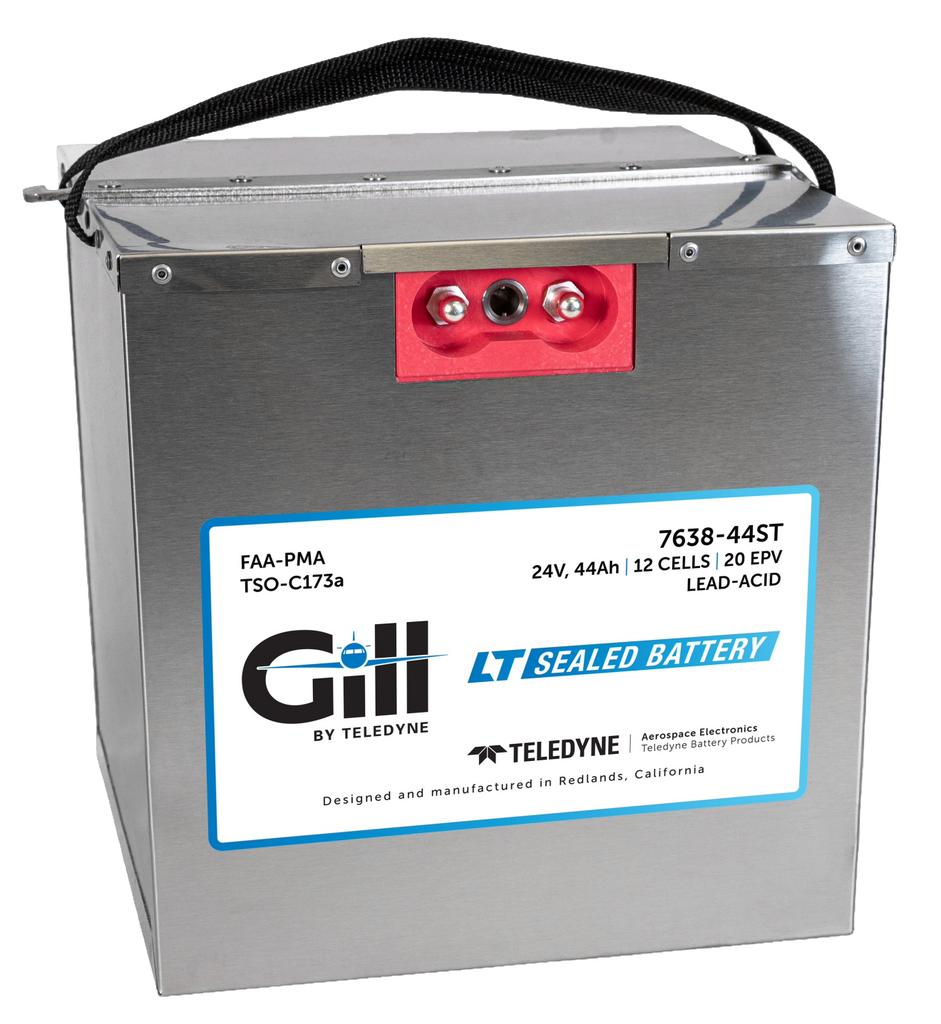
Sealed VRLA aircraft batteries combine maintenance-free convenience, spill-proof safety, and proven reliability – attributes that directly support safer operations and tighter schedules. Their robust AGM or gel construction resists shock and vibration, internal valves manage pressure for efficient gas recombination, and the sealed case reduces corrosion and exposure risk in avionics-dense spaces. For many aircraft, this balance makes VRLA a smart and dependable power choice today, and a straightforward fit for existing maintenance programs.
PJi is your trusted source for aircraft batteries – including sealed VRLA and dry-charged lead-acid models from Teledyne Gill, as well as reliable lithium-ion batteries from True Blue Power. Our aviation specialists can help you evaluate duty cycles, environmental conditions, and charging systems to choose the right battery for your platform. Connect with us by phone, email, or live chat for personalized recommendations and streamlined procurement.