






Create yours now for free.
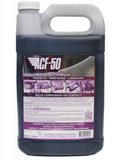
The 09-04079 is a specific part number of the series ACF-50 CB-4L. For more generalized information on this item series or for more options, click here.

Need a Quote?
| Alternate Models | |
|---|---|
| 09-04079 | Alternative Part Number for 4 Liter Container |
| 20004 | Lear Chemical Part Number for 4 Liter Container |
| General Information | |
|---|---|
| Part # | 09-04079 |
| Manufacturer | ACF-50 |
| Shipping Information | |
|---|---|
| Schedule B | 3403191009 |
| ECCN | EAR99 |
Customers also viewed
AIRCRAFT COMPATIBILITY
| Compatible Aircraft* |
|---|
PRODUCT REVIEWS
This item does not have any reviews yet.
QUESTIONS & ANSWERS
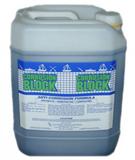
Corrosion Block Bulk Liquid is especially effective on ferrous and non-ferrous metals exposed to moisture, salt air, and harsh ramp environments. It is commonly used on control linkages, electrical connectors, landing gear components, and other vulnerable areas where corrosion can compromise performance. The formula penetrates tight seams and crevices, helping protect hard-to-reach internal surfaces. This makes it particularly valuable for fleet-wide corrosion prevention programs.
Yes. Corrosion Block is designed to protect sensitive electrical components while helping displace moisture. It leaves a thin protective film that inhibits oxidation without interfering with conductivity when used properly. This makes it suitable for connectors, terminals, and avionics bay components during preventative maintenance.
According to the Safety Data Sheet, Corrosion Block Bulk Liquid should be stored between 40°F and 120°F and kept away from heat or ignition sources. Containers should remain tightly sealed when not in use to prevent contamination. Proper storage helps maintain product stability and long-term effectiveness.
The product is classified as a Category 4 flammable liquid with a flash point of approximately 175°F (79.4°C). Suitable extinguishing media include CO₂, dry chemical, foam, or water spray. While it is not highly volatile, proper storage away from open flames and ignition sources is recommended in maintenance facilities.
When used as directed, it is not classified as acutely toxic. It may cause slight eye irritation or mild skin dryness with prolonged exposure. Standard hygiene practices, such as washing hands after use, are generally sufficient for routine handling.
According to the Safety Data Sheet, no special PPE is normally required under typical workplace or retail conditions. However, eye protection may be advisable if splashing is likely during bulk application. Good ventilation is recommended to maintain comfortable working conditions.
Small spills should be absorbed with inert materials, such as sand or silica gel, and placed in suitable containers for disposal. Prevent the product from entering drains or waterways. Following standard facility spill-response procedures ensures safe cleanup.
According to the Safety Data Sheet, the product is not regulated for land, sea, or air transport under ADR, IMDG, or IATA classifications. This simplifies shipping and storage logistics for aviation operators and maintenance providers.
Petroleum-based components are biodegradable in marine and soil environments. The product does not meet PBT or vPvB criteria under REACH regulations. While environmentally responsible disposal practices should always be followed, the formulation is designed with operational safety in mind.
The 4-liter container supports high-volume applications and routine corrosion control programs across fleets. It reduces packaging waste compared to smaller containers and allows maintenance teams to refill applicators or spray systems efficiently. Bulk sizing is especially practical for MRO facilities, flight departments, and operators performing scheduled corrosion inspections.


