






Create yours now for free.
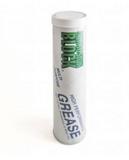
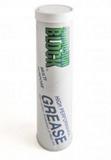
The 25002 is a specific part number of the series ACF-50 CB-Grease-2oz. For more generalized information on this item series or for more options, click here.

Need a Quote?
| Alternate Models | |
|---|---|
| 09-02987 | Alternative Part Number for 2 oz Tube |
| 25002 | Lear Chemical Part Number for 2 Oz |
| General Information | |
|---|---|
| Part # | 25002 |
| Manufacturer | ACF-50 |
| Shipping Information | |
|---|---|
| Schedule B | 3403191015 |
| ECCN | EAR99 |
Customers also viewed
AIRCRAFT COMPATIBILITY
This item is for use on all aircraft.
PRODUCT REVIEWS
This item does not have any reviews yet.
QUESTIONS & ANSWERS
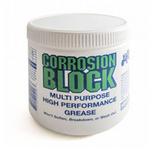
Corrosion Block Grease is designed for heavily loaded mechanical parts such as sealed bearings, wheel bearings, drag chains, winches, and windlasses. In aviation environments, this makes it well-suited for moving hardware exposed to vibration, moisture, and varying temperatures. Its semi-solid structure helps it stay in place under pressure. This makes the 2-oz tube ideal for targeted maintenance tasks.
According to the Safety Data Sheet, Corrosion Block Grease is not classified as hazardous under WHMIS 2015 or GHS. It carries no signal word and no hazard labeling requirements. This simplifies handling and storage in the workplace compared to many industrial lubricants. However, standard good housekeeping practices should still be followed.
Under ordinary conditions and with adequate ventilation, no special exposure controls are required. Personal protective equipment is not normally needed for routine application. Basic hygiene practices, such as washing hands after use, are recommended. This makes it practical for line maintenance and hangar environments.
The grease should be stored in a cool area, away from strong oxidizing agents. Containers should remain sealed and properly labeled when not in use. Avoid excessive heat or ignition sources to preserve stability. Proper storage ensures long-term lubrication and corrosion protection performance.
Yes. The product is stable under normal handling and storage conditions. It does not undergo hazardous reactions when used as intended. This reliability is important for aircraft maintenance teams that require consistent grease performance across multiple service intervals.
For skin contact, wash thoroughly with soap and water. If grease is accidentally injected under the skin under high pressure, immediate medical evaluation is required. For eye contact, flush with water and seek medical attention if irritation occurs. These precautions align with general aircraft maintenance safety standards.
The grease has a flash point above 204°C (399°F), indicating strong thermal stability. This makes it suitable for aircraft components exposed to heat during operation. Its formulation provides reliable lubrication at high temperatures without posing unusual fire hazards. Always follow the Aircraft Maintenance Manual (AMM) guidelines for application limits.
The mixture is not expected to be harmful to aquatic organisms. The base oil component is inherently biodegradable, though it may bioaccumulate under certain conditions. Prevent spills from entering drains or waterways as part of standard environmental compliance practices. Responsible disposal supports sustainable maintenance operations.
The product, in its original, unused form, is not considered hazardous waste under U.S. federal regulations. Disposal should follow local, state, and national guidelines. Completely emptied HDPE or LDPE packaging may be recycled if facilities are available. Never return contaminated material to the original container.
The product is listed on major chemical inventories, including TSCA (USA) and DSL (Canada), and is not regulated as dangerous goods for DOT, IMDG, or IATA transport. It is not classified under SARA 313 or Proposition 65. This regulatory standing supports simplified shipping, storage, and procurement processes for aviation operators.


