






Create yours now for free.
The 25003 is a specific part number of the series ACF-50 CB-Grease-3oz. For more generalized information on this item series or for more options, click here.

Need a Quote?
| Alternate Models | |
|---|---|
| 09-02988 | Alternative Part Number for 3 oz Tube |
| 25003 | Lear Chemical Part Number for 3 oz Tube |
| General Information | |
|---|---|
| Part # | 25003 |
| Manufacturer | ACF-50 |
| Shipping Information | |
|---|---|
| Product Weight | 0.3 lbs. |
| Product Dimensions | 6 x 1.5 x 1.5 in. |
| Schedule B | 3403191016 |
| ECCN | EAR99 |
Customers also viewed

AIRCRAFT COMPATIBILITY
This item is for use on all aircraft.
PRODUCT REVIEWS
This item does not have any reviews yet.
QUESTIONS & ANSWERS
Corrosion Block Grease is especially well-suited for heavily loaded and high-stress components such as wheel bearings, drag chains, winches, windlasses, and other mechanized parts. In aviation, it is commonly used where long-term lubrication and corrosion resistance are critical. Its semi-solid consistency helps it stay in place under load. This makes it ideal for both aircraft and ground support equipment applications.
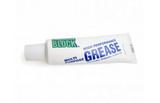
The 3-oz tube format is convenient for field maintenance, line service, and toolboxes where portability matters. It allows aircraft maintenance technicians to apply grease precisely without having to carry larger containers. Smaller packaging also reduces the risk of contamination from repeated opening and exposure. This size is practical for spot lubrication and on-the-go servicing.
Under ordinary use conditions and with adequate ventilation, no special exposure controls are typically required. However, technicians should wash their hands after use and avoid prolonged skin contact. While not classified as hazardous, mild irritation may occur with extended exposure. Following standard shop hygiene practices ensures safe handling.
If skin contact occurs, wash the area with soap and water and remove contaminated clothing. In case of eye contact, flush thoroughly with water and seek medical attention if irritation persists. Injection injuries from high-pressure equipment require immediate medical evaluation. While such incidents are uncommon, proper handling reduces risk.
The grease should be stored in a cool area, away from strong oxidizing agents. Containers should remain closed and properly labeled when not in use. Keeping grease sealed prevents contamination and preserves product performance. As with all aircraft consumables, controlled storage supports long-term reliability.
Corrosion Block Grease is not classified as having unusual fire or explosion hazards. Suitable extinguishing agents include CO₂, foam, dry chemical, or water spray. Its flash point is greater than 399°F (204°C), indicating high-temperature stability. This makes it appropriate for demanding mechanical environments.
The grease has a boiling point above 26°F (330°C), supporting stable performance at elevated temperatures. Its semi-solid formulation resists breakdown in heavily loaded systems. This thermal stability helps maintain lubrication integrity in aviation and industrial applications. Reliable high-temperature performance extends component life.
Based on available data, the mixture is not expected to be harmful to aquatic organisms. The base oil component is considered inherently biodegradable. While not classified as environmentally hazardous, proper disposal practices should still be followed. Responsible handling aligns with aviation environmental standards.
Small spills can be wiped up with absorbent cloths and cleaned with approved soap. Larger spills may require dry clay or commercial absorbents for containment. Contaminated material should never be returned to the original container. Prompt cleanup helps prevent slip hazards in aircraft maintenance areas.
Corrosion Block Grease is not classified as dangerous goods under DOT, IMDG, or IATA transport classifications. This simplifies shipping and logistics for maintenance facilities. Its non-regulated status makes it easier to stock in hangars, FBOs, and service trucks. Always verify current regulations before international shipment.


