






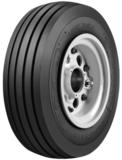
1159SCL406-3 - Goodyear 349K82-3 Flight Eagle Tire – H34X9.25-18, 18-Ply


Create yours now for free.
The 1159SCL406-3 is a specific part number of the series Goodyear 349K82-3. For more generalized information on this item series or for more options, click here.

Need a Quote?
| Alternate Models | |
|---|---|
| 1159SCL406-3 | Alternative Part Number |
| 301-551-042 | Alternative Goodyear Part Number |
| General Information | |
|---|---|
| Part # | 1159SCL406-3 |
| Manufacturer | Goodyear |
| Shipping Information | |
|---|---|
| Shipping Weight | 62 lbs. |
| Shipping Dimensions | 31 x 31 x 9 in. |
| Schedule B | 4011300000 |
| ECCN | 9A991.d |
Customers also viewed
Customers who bought this item also purchased


AIRCRAFT COMPATIBILITY
| Compatible Aircraft* | |
|---|---|
| Gulfstream |
G350
NOTE
This tire is used on the main landing gear.
,
G450
NOTE
This tire is used on the main landing gear.
,
IVSP
NOTE
This tire is used on the main landing gear.
|
PRODUCT REVIEWS
This item does not have any reviews yet.
QUESTIONS & ANSWERS
Goodyear recommends checking inflation daily or before each flight, as aircraft tires can lose up to 5% of air pressure in 24 hours. Always measure pressure when the tire is cool, since heat from taxiing or landing can lead to falsely elevated readings. Regular pressure checks prevent underinflation-related stress and extend overall tire life.
Underinflation leads to excessive sidewall flexing, heat buildup, and potential damage to the casing or innerliner, while overinflation accelerates center tread wear and reduces traction. Goodyear advises removing any tire that’s been taxied while more than 10% below proper inflation pressure to avoid structural fatigue.
Yes. The 349K82-3 Flight Eagle tire is a Type III tubeless design, engineered for compatibility with sealed aircraft wheel assemblies. Tubeless construction eliminates tube-related leaks, reduces weight, and simplifies maintenance compared to tube-type alternatives.
Goodyear recommends inflating new tires and allowing them to sit for at least 12 hours before being placed into service. This period allows the casing cords to stretch naturally, stabilizing the inflation pressure. Afterward, recheck the pressure and adjust as needed before mounting on the aircraft.
Uneven wear typically results from gear misalignment, braking imbalance, or improper inflation pressure. Goodyear suggests reversing the tire on the wheel when camber wear is observed to help even out tread use. Routine inspections and alignment checks play an essential role in preventing early wear patterns.
Goodyear factory-balances every Flight Eagle tire and marks it with a red balance dot that should align with the inflation valve for optimal balance. Proper torqueing, wheel alignment, and avoiding prolonged parking on flat spots can further minimize vibration during takeoff and landing.
The number one cause of early tire removal is foreign object damage (FOD). Even small debris such as stones, bolts, or washers can puncture the tread under aircraft weight. Regular ramp inspections and debris removal are critical preventive measures.
Yes. This model uses a durable nylon casing that supports multiple retread cycles when properly inspected. Retreading helps reduce operating costs and environmental impact while maintaining the tire’s structural integrity and performance standards.
Tires should be stored in a cool, dry, and well-ventilated environment, away from direct sunlight, ozone, and chemicals. Avoid stacking tires flat for long periods to prevent deformation. Following Goodyear’s storage best practices preserves compound flexibility and prevents damage during long-term storage.
Service life depends on aircraft type, runway surface, and operating habits, but the 349K82-3’s dual-polymer tread compound and strong casing design help maximize performance longevity. Proper inflation, balanced braking, and consistent inspections can increase useful tire life by up to 20% under standard operating conditions.
Goodyear provides a limited warranty covering defects in materials and workmanship for a specified tread wear or service duration. To qualify, operators must follow Goodyear’s approved procedures for mounting, inflation, inspection, and storage as outlined in the company’s Aircraft Tire Care & Maintenance Manual.


