






Kell-Strom PWC34910-804 Borescope Guide Tube for Pratt & Whitney PT6 Engines



Create yours now for free.

Need a Quote?
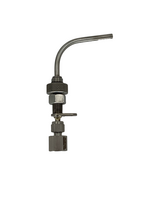
The Kell-Strom PWC34910-804 is a borescope guide tube for Pratt & Whitney PT6 aircraft engines.
| General Information | |
|---|---|
| Part # | PWC34910-804 |
| Manufacturer | Kell-Strom |
| Shipping Information | |
|---|---|
| Product Weight | 0.6 lbs. |
| Product Dimensions | 18.8 x 4.5 x 4.5 in. |
| Schedule B | 8205599000 |
| ECCN | EAR99 |
Customers also viewed
Customers who bought this item also purchased


AIRCRAFT COMPATIBILITY
| Compatible Aircraft* |
|---|
PRODUCT REVIEWS
QUESTIONS & ANSWERS
The Kell-Strom PWC34910-804 borescope guide tube is designed to support inspection tools when performing internal visual inspections of Pratt & Whitney PT6 engine components. It provides a stable, precisely sized channel for borescopes and fiberscopes to access hard-to-reach areas such as combustion chambers, turbine blades, and compressor sections. Using the correct guide tube helps prevent damage to delicate engine parts during inspection. It also improves the accuracy of borescope inspections by maintaining a consistent optical path.
Guide tubes like the PWC34910-804 help technicians insert and manipulate inspection scopes without contacting sensitive internal engine surfaces. This reduces the risk of marking turbine blades or compressor stators while ensuring the borescope lens travels safely to the inspection area. PT6 borescope inspections often require precision in tight spaces, and a guide tube adds both protection and control. Proper use of guide tubes enhances repeatability and inspection quality.
The Kell-Strom PWC34910-804 is compatible with standard borescopes and fiberscopes used for aircraft engine inspection, including rigid and semi-rigid models. Most visual inspection probes with diameter sizes matching the internal bore of the guide tube will slide smoothly without binding. It is important to verify the scope diameter against the guide tube specification to avoid damage. Compatible probe selection helps ensure reliable imaging during PT6 engine inspections.
The guide tube provides a firm and consistent pathway for the inspection probe, reducing lateral motion and stabilizing the scope during movement. This improved control helps technicians focus on image quality rather than tool positioning. A stable guide path also minimizes the risk of accidentally contacting engine hardware, which is especially valuable in precision environments like turbine engine borescope work. Better handling leads to more efficient, accurate inspections.
Yes, the PWC34910-804 borescope guide tube is specifically sized and shaped for use on Pratt & Whitney PT6 engine inspection ports. While general-purpose guide tubes exist, this Kell-Strom model matches the geometry and clearance needs of PT6 engine borescope access points. Using a guide tube designed for the specific engine reduces the need for improvised workarounds that could risk equipment or engine surfaces. Correct fitment is part of the proper PT6 borescope inspection procedure.
To maintain optimal performance, the guide tube should be cleaned after each use to remove debris and residue that could scratch the borescope lens. Avoid dropping or bending the guide tube, as dents or distortions can interfere with scope movement. Store the tube in a protective case to prevent environmental damage. Periodic inspection of the guide tube for straightness and surface quality helps ensure it continues to protect both scopes and engine components.
Yes, the PWC34910-804 guide tube works well with flexible and semi-flexible fiberscopes, provided the scope diameter matches the tube's internal diameter. The guide tube’s smooth interior encourages consistent movement of the flexible probe, while the tube itself minimizes lateral movement that could damage the scope. Always check the guide tube and scope compatibility before beginning inspection to avoid binding. Flexible scope use expands the inspection reach inside the PT6 engine compartments.
In routine PT6 engine preventative maintenance, the guide tube enables thorough visual inspection of critical engine areas without disassembly. Technicians can detect early signs of wear, corrosion, deposits, or cracking before they lead to performance issues. Using a guide tube increases inspection repeatability, helping maintenance teams compare images over time. This contributes to better engine health monitoring and more effective preventive maintenance scheduling.
A high-quality guide tube, such as the PWC34910-804, minimizes vibration and channel mismatch, helping deliver clearer visual feedback from the borescope. Inferior or poorly fitting tubes can cause scope flex, inconsistent imaging, and potentially misinterpreted condition assessments. A precise guide tube reduces operator fatigue and improves confidence in inspection results. Investing in quality support tools enhances the overall reliability of aircraft engine inspections.
Yes. Always follow the PT6 engine manufacturer’s borescope inspection procedures and ensure the guide tube is fully seated before inserting the scope. Insert and remove the scope slowly to avoid scuffing sensitive surfaces, and use appropriate scope lighting to optimize visibility. Ensure the guide tube itself is aligned with the access port and free of contaminants. Proper use of guide tubes improves safety, protects expensive inspection equipment, and delivers more accurate diagnostic information.


