






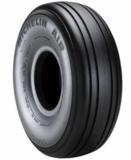
Michelin M18201 AIR X Radial Aircraft Tire – 24x7.7R10 – Select Embraer & Sukhoi Aircraft (NLG)


Need a Quote?
The Michelin M18201 AIR X aircraft tire (24x7.7R10) is a high-performance radial NLG tire engineered for Embraer E-Jet Series (E170/E175/E190/E195/Lineage 1000) and Sukhoi SSJ100 aircraft. Built to handle speeds up to 225 mph (362 km/h), this 16-ply radial tire delivers exceptional durability, cooler operating temperatures, and improved handling compared to traditional bias-ply tires.
Weighing approximately 25 lbs (11.3 kg), the M18201 leverages Michelin’s advanced AIR X radial technology to provide longer tread life, enhanced resistance to cuts and FOD, and lower overall operating costs for commercial and regional operators.
| General Information | |
|---|---|
| Part # | M18201 |
| Manufacturer | Michelin |
| Shipping Information | |
|---|---|
| Schedule B | 4011300000 |
| ECCN | 9A991.d |
Customers also viewed
AIRCRAFT COMPATIBILITY
| Compatible Aircraft* | |
|---|---|
| Embraer |
ERJ-170
NOTE
This tire is used on the nose landing gear.
,
ERJ-175
NOTE
This tire is used on the nose landing gear.
,
ERJ-190
NOTE
This tire is used on the nose landing gear.
,
ERJ-195
NOTE
This tire is used on the nose landing gear.
,
Lineage 1000
NOTE
This tire is used on the aircraft's nose landing gear.
|
| Sukhoi | SJ100 |
PRODUCT REVIEWS
This item does not have any reviews yet.
QUESTIONS & ANSWERS
The Michelin M18201 AIR X features a true radial construction, which allows the tire to flex more naturally under load and maintain a broader, more stable contact patch. This design reduces tread squirm, promotes cooler running temperatures, and improves fuel efficiency due to lower rolling resistance. Radial tires typically last longer and require fewer changeouts than comparable bias-ply models, offering clear lifecycle cost advantages.
Michelin AIR X radial tires are designed to run cooler, provide increased landings per tread, and resist cutting and tearing from runway debris. The lighter radial casing can contribute to measurable fuel savings over a fleet’s operating cycle. Additionally, the improved structural design helps reduce carcass fatigue, thereby further extending retread and replacement intervals.
Yes. The tire’s extended tread life and resistance to unscheduled removals help reduce maintenance labor and material costs. Its lighter weight and improved rolling efficiency can provide incremental fuel savings over time. These combined efficiencies make the M18201 AIR X a popular choice for commercial and regional airlines seeking predictable lifecycle performance.
Rated for speeds up to 225 mph, the M18201 AIR X maintains structural integrity and stability during demanding landing and takeoff operations. Its optimized tread design helps dissipate heat quickly during high-energy stops. These characteristics support consistent performance across various runway conditions and operating environments.
Yes. The sidewall of the AIR X line is engineered with specialized compounds that improve long-term resistance to ozone, UV light, and weathering. This protection helps preserve casing strength and appearance, especially for aircraft operating frequently in high-sunlight regions.
The radial casing enhances lateral stability by maintaining a more uniform contact patch under load. This stability can reduce shimmy tendencies on nose landing gear applications. As a result, pilots experience more predictable taxi, takeoff, and landing behavior.
Michelin's radial technology incorporates a robust casing and advanced tread compounds that improve resistance to cuts, tears, and impact damage. This increased toughness helps mitigate the effects of foreign object debris commonly found on regional and commercial airfields. A sturdier casing also contributes to fewer early removals due to FOD-related issues.
The AIR X design typically weighs 20% to 30% less than comparable bias-ply tires, resulting in modest but significant fuel savings across a fleet. Lower unsprung weight may also contribute to smoother gear response and reduced structural stress during taxi, takeoff, and landing. Over hundreds of cycles, these efficiencies add up.
Michelin aircraft tires undergo rigorous testing, including pressure endurance tests, resistance to extreme temperatures, and certification against aviation industry standards. The radial design philosophy is backed by decades of Michelin R&D and field data from commercial, business, and military aviation fleets. Each tire is manufactured to strict tolerances, ensuring reliable performance across high-cycle operations.
Operators should follow Michelin’s Aircraft Tire Care & Service Manual, which outlines proper inflation practices, inspection procedures, and removal criteria. Maintaining correct inflation pressure is especially important with radial tires, as underinflation can affect tread wear and structural performance. Regular inspections help maximize tire tread life and reduce the risk of premature tire removal.
Many radial aircraft tires, including several AIR X models, are designed with casings that support retreading, depending on the airline's and MRO program's requirements. Retread eligibility depends on the casing condition, the number of cycles, and the operator's maintenance practices. Retreading can extend service life while reducing operating costs.
The AIR X tread compound and design provide dependable grip and stability on both dry and wet runways. Its ability to dissipate heat quickly improves safety during high-energy braking scenarios. The specialized sidewall material also helps maintain durability in extreme temperature swings.
Yes. The reduced weight, longer tread life, and fewer removals supported by AIR X radial technology offer measurable environmental and operational advantages. These efficiencies align with industry initiatives aimed at reducing fuel consumption, waste, and maintenance-related emissions. Michelin’s broader sustainability efforts further support eco-focused operators.
We will be unable to determine the exact PSI required for your specific aircraft, as this is determined by the aircraft manufacturer. We can advise that the maximum load for this model is 165 PSI (11.4 bar) at 9,725 lbs (4,411 kg).


