





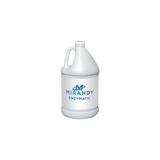
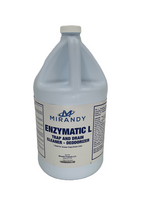
Mirandy Enzymatic L Lavatory Cleaner – 1 Quart – ENZY-QT


Need a Quote?
Enzymatic L is a powerful bacteria-enzyme concentrate that naturally breaks down waste buildup and prevents clogged drains. Free from caustics and harmful chemicals, it ensures safe and effective maintenance.
This 1-quart bottle is ideal for small-scale applications and individual drain treatments.
Key Features & Benefits:
- Liquefies organic waste and prevents slow drainage
- Non-toxic, eco-friendly, and long-lasting
- Controls odors while maintaining clear drains
- 1-quart size for quick and easy application
Usage Instructions:
- Pour directly into drain or trap
- Let the bacteria-enzyme formula work naturally
- Use consistently for ongoing drain maintenance
Ensure effective drain care with Enzymatic L – the natural and safe cleaning solution.
| General Information | |
|---|---|
| Part # | ENZY-QT |
| Manufacturer | Mirandy Products |
| Shipping Information | |
|---|---|
| Schedule B | 3401110000 |
| ECCN | EAR99 |
| Specifications | |
|---|---|
| Boiling Point | 212 220F |
| Color | White |
| Flash Point | >200F |
| Odor | Mild |
| pH | 6 - 7 |
| Relative Density | 1.024 |
| Shelf Life | 2 years |
Customers also viewed
AIRCRAFT COMPATIBILITY
| Compatible Aircraft* |
|---|
PRODUCT REVIEWS
This item does not have any reviews yet.
QUESTIONS & ANSWERS
Enzymatic L is designed to clear and prevent clogged, smelly, and sluggish drains, traps, and septic systems in aircraft. It works by liquefying organic waste and solid greases naturally and organically, using both aerobic and anaerobic bacteria to break down waste.
Enzymatic L is far safer and more effective than traditional caustic materials. It works faster and lasts longer by naturally liquefying organic waste, avoiding the harmful side effects of caustic substances, which can damage pipes and plumbing systems. This non-toxic formula offers an eco-friendly alternative that’s effective at keeping drains free-flowing without compromising the integrity of aircraft systems.
Enzymatic L is effective at liquefying a broad spectrum of organic waste, including grease, food waste, oils, and other solid organic materials that can accumulate in aircraft drains and traps. The bacteria-enzyme formula works naturally to digest and liquefy waste, preventing clogs and odors. It is particularly useful in aircraft lavatories, kitchen areas, and septic systems where organic waste can cause blockages and unpleasant smells.
Yes! Enzymatic L’s natural bacteria-enzyme formulation contains no harmful caustics, urea, or fillers, making it safe for the environment. Unlike harsh chemicals, it doesn’t pose a risk to surrounding ecosystems and is biodegradable, offering an eco-conscious solution for aircraft maintenance teams who prioritize sustainability.
The frequency of Enzymatic L use depends on the specific needs of the aircraft’s plumbing systems. For general maintenance, it can be used regularly to ensure that drains, traps, and septic systems remain clear and free from odors. If an aircraft is experiencing sluggish drainage or unpleasant odors, more frequent application may be necessary. A typical maintenance schedule can be tailored to the aircraft's usage and the state of the waste systems.


