






Pacific Scientific T555-2 – Riser #1 for Aircraft Cable Tensiometers


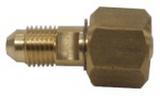
The Pacific Scientific T555-2 Riser #1 is a precision-engineered component designed for use with aircraft cable tensiometers to ensure accurate tension measurement across various cable diameters. As a removable insert, this riser adapts the tensiometer’s geometry to maintain consistent cable deflection and precise readings regardless of cable thickness.
Crafted from durable, aviation-grade materials, Riser #1 supports smaller cable sizes and prevents measurement error or instrument damage caused by incorrect setup. Essential for aircraft maintenance technicians, the T555-2 riser helps maintain compliance with aviation standards and guarantees dependable cable tension verification in critical control systems.
| General Information | |
|---|---|
| Part # | T555-2 |
| Manufacturer | Pacific Scientific |
| Shipping Information | |
|---|---|
| Product Weight | 0.03 lbs. |
| Product Dimensions | 1 x 1 x 1 in. |
| Schedule B | 9027908950 |
| ECCN | EAR99 |
Customers also viewed


Customers who bought this item also purchased
AIRCRAFT COMPATIBILITY
| Compatible Aircraft* |
|---|
PRODUCT REVIEWS
This item does not have any reviews yet.
QUESTIONS & ANSWERS
The T555-2 Riser #1 enables a cable tensiometer to accommodate cables of specific diameters by adjusting the height and geometry of the instrument’s contact point. This ensures that each cable, regardless of its size, experiences the same degree of deflection for accurate tension readings. Without the correct riser, readings can be distorted, potentially compromising the safety of the aircraft control system.
The riser ensures that cable deflection remains uniform for all cable sizes tested. It adjusts the point at which the cable is engaged by the tensiometer jaws, maintaining consistent mechanical leverage. Using the proper riser minimizes errors and keeps tension readings within the instrument’s certified accuracy range.
Yes. The T555-2 Riser #1 is designed for compatibility with Pacific Scientific T5 and T60 Series Cable Tensiometers, both of which are standard in aviation maintenance. These instruments rely on interchangeable risers, such as the T555-2, to measure various aircraft control cable sizes without requiring separate devices.
Riser #1 should be selected based on the cable diameter indicated on the calibration chart provided with your tensiometer. The chart lists which riser corresponds to each cable size. Using the riser listed for your specific measurement ensures proper instrument alignment and accurate tension readings.
Yes. The riser can be used on both coated and uncoated control cables, provided the riser height corresponds to the total outer diameter, including the coating. Always verify your calibration chart to ensure the correct riser-to-cable relationship, which is essential for consistent readings on coated cables.
The Pacific Scientific T555-2 Riser #1 is typically made from lightweight aluminum or other high-strength metal alloys. These materials offer durability and precision while minimizing the additional weight of the instrument. The corrosion-resistant finish helps maintain longevity in demanding aircraft maintenance environments.
To install the riser, align it with the center pin of the tensiometer’s frame and press it firmly into position. Ensure it sits flush and secure before placing the tensiometer on the cable. This proper installation guarantees even load distribution during measurement and prevents slippage or false readings.
Using an incorrect riser can cause false tension readings or even damage the tensiometer’s calibration mechanism. Because riser height directly affects the cable’s deflection, a mismatch will distort the mechanical leverage of the tool. Always consult the tensiometer’s calibration card before conducting measurements to avoid errors or costly recalibrations.
The riser requires minimal maintenance but should be inspected regularly for signs of wear, corrosion, or debris buildup. Clean it using a non-abrasive cloth and a mild solvent to prevent contamination that could affect accuracy. Avoid over-tightening or forcing the riser into the tensiometer, as this may deform contact surfaces.
Switching risers does not require a full instrument recalibration; however, you must use the correct calibration chart for the chosen riser and cable combination. Calibration charts are specific to both the tensiometer and the riser, ensuring tension readings remain within certified tolerances.
Yes. The riser is a replaceable accessory and can be purchased separately when worn or lost. Replacement risers are manufactured to the exact specifications as the originals, ensuring compatibility with certified Pacific Scientific instruments.
Always store the riser in its protective carrying case or within the designated compartment of the tensiometer case. Keeping it protected from dirt, impact, and moisture preserves the precision-machined surfaces that ensure accurate readings during future use.
Always confirm that the riser is seated properly before applying tension to avoid slippage or cable damage. Never operate the tensiometer with a loose or improperly installed riser, as this can result in incorrect readings and potentially damage the tool’s internal components.


