






Sesame DES-EX-HI Diamond Engine Shield - Horizontal Intake - 525B Citation CJ3 / FJ44-1AP - S036000
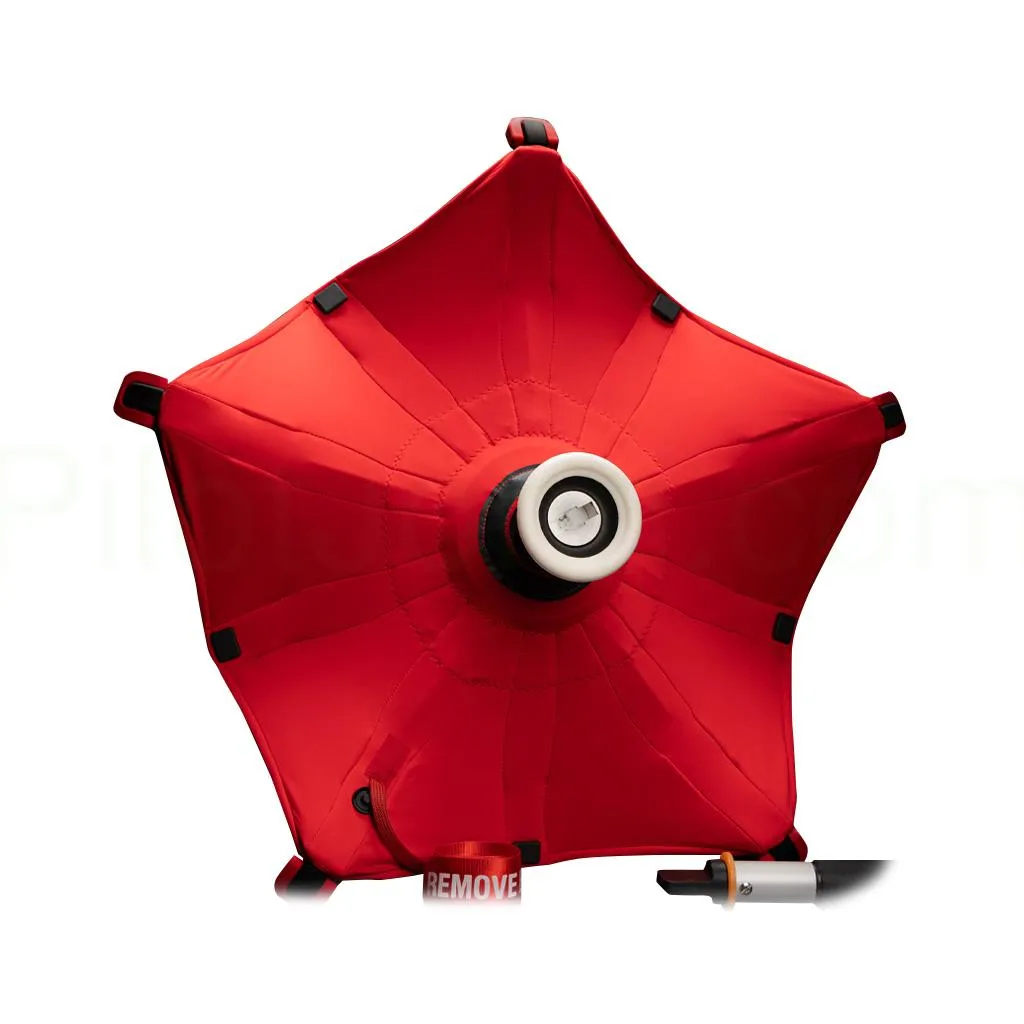


The Sesame DES-EX-HI Diamond Engine Shield EX - Horizontal Intake, 19" - 525B CITATION CJ3 / FJ44-1AP – S036000 is a horizontal intake engine protection shield engineered for reliable, one-person installation from ground level. Designed specifically for aircraft with wing-mounted or aft-over-wing engines, this model safeguards engine nacelles from FOD, weather exposure, and accidental impact.
Constructed from premium-grade materials including carbon fiber, high-temperature silicone, 316L stainless steel, and a resilient synthetic outer layer, this barrier delivers industry-leading performance in extreme conditions. Auto-centering pads made of heat-resistant silicone cushion the nacelle interface, requiring no fasteners to secure the shield in place.
A glow-in-the-dark front bell mouth pad enhances visibility during nighttime operations and offers a protective contact layer. The patented locking head system ensures the shield cannot be disengaged from the IP100-EX installation pole unless manually released, eliminating accidental drops or detachment.
Key Features
- Aircraft-specific 360° nacelle shielding from wind, rain, and debris
- Constructed of carbon fiber, 316L stainless steel, and silicone elastomers
- Compatible with the IP100-EX pole for ground-based installation and removal
- Glow-in-the-dark pad on the bell mouth enhances low-light visibility
- High-temp silicone cushioning pads auto-center on engine inlet
- Fully collapsible and cinch-strapped for compact storage
- Pre-fitted for Sesame Safety Lanyard System
- Outfitted with NAS1756 “REMOVE BEFORE FLIGHT” warning streamer
- Includes micro installation tool
- Tested for wind, water, and impact performance
- Manufactured under ISO 9001 and AS9100D quality assurance
Installation Instructions
- Insert and twist to lock the IP100-EX installation pole into the shield’s bell mouth handle.
- Grasp the bell mouth and gently twist the pole to expand and open the shield.
- Lift the assembly toward the engine inlet from ground level using the telescoping pole.
- Carefully position the shield so that the high-temp rubber feet contact both sides of the engine nacelle.
- While applying light forward pressure, twist the pole to securely fasten the shield to the engine.
- Once fully engaged, press the pole inward, twist to disengage the lock, and pull back to remove the pole from the shield.
- To remove the shield, perform these steps in reverse: reattach the pole, twist to unlock, withdraw the shield, collapse, and stow.
The S036000 is built to provide rugged and repeatable protection during every maintenance cycle. Ideal for operations demanding low FOD exposure, this Sesame barrier enables one-person crew safety and rapid deployment.
| General Information | |
|---|---|
| Part # | S036000 |
| Manufacturer | Sesame Technologies |
| Shipping Information | |
|---|---|
| Schedule B | 9014900000 |
| ECCN | EAR99 |
Customers also viewed
AIRCRAFT COMPATIBILITY
| Compatible Aircraft* | |
|---|---|
| Cessna | Citation CJ3 |
PRODUCT REVIEWS
This item does not have any reviews yet.
QUESTIONS & ANSWERS
The Diamond Engine Shield EX protects horizontal engine intakes – typically on aircraft with wing-mounted or over-wing aft engines – from foreign object debris (FOD), weather exposure, and accidental impacts. It’s designed so a single crew member can install it from ground level, improving safety and streamlining pre-flight or post-flight protection. It provides a durable barrier that helps prevent damage to the engine nacelle, preserving operations and reducing repair costs.
This engine shield is specifically engineered for aircraft that require horizontal intake protection where vertical access isn’t possible, such as those with wing-mounted or aft-mounted engines. Models are available for a variety of aircraft, including the Learjet 45, Hawker 850XP, Citation 560 Encore, and Phenom 300. By selecting the correct model for your aircraft, operators can ensure a precise fit and reliable intake protection.
Yes. The Diamond Engine Shield EX is built from high-strength, aviation-grade materials designed to withstand extreme environmental conditions. It performs reliably in high winds, heavy rain, and harsh ramp environments, providing consistent protection against foreign object debris (FOD), weather, and accidental impacts. This durability makes it a dependable solution for year-round aircraft engine protection.
The shield is built using premium materials such as carbon fiber, 316L stainless steel, high-temperature silicones, and a synthetic outer layer. These materials provide strength, heat resistance, and corrosion protection even under harsh environmental conditions like rain, wind, or debris impact. The cushioning pads are silicone and heat-resistant to prevent damage to the nacelle surface and maintain fit.
The shield is designed for installation and removal entirely from ground level, significantly reducing the need for ladders or elevated work platforms. This minimizes the risk of falls and related injuries while also streamlining workflow for ground crews. By combining operator safety with efficient handling, the Diamond Engine Shield EX supports safer, faster, and more effective ground operations.
The Diamond Engine Shield EX is installed and removed using the Sesame Technologies IPEX Installation Pole, available in lengths from 45" to 181". The shield connects to the pole via a secure locking head, ensuring it stays firmly attached during placement or removal. This system allows a single technician to handle the process safely from ground level, eliminating the need for ladders, lifts, or additional equipment and making operations faster and safer.
The bell-mouth has a glow-in-the-dark silicone pad on its front, which makes it easier to locate and align in low-light conditions. That pad also serves as a protective layer to help prevent mishandling or accidental contact damage in dim environments. Visibility and safe handling are improved.
Several built-in protections prevent mishaps: the shield uses a locking head that keeps it from detaching from the IPEX installation pole unless manually released; there are silicone cushions that prevent damage; a safety lanyard attachment is built in; and the NAS1756-approved “Remove Before Flight” warning streamer helps ensure the shield isn’t accidentally left in place. These all work together to protect both the aircraft and ground crews.
Yes! One of the primary design goals of this model is for a single technician to install and remove it safely from ground level, using the IPEX Installation Pole. This reduces the manpower required and improves efficiency and safety on the ramp.
The shield has been tested for resistance to wind, rain, and impact. The materials and design – including the cushioning pads and synthetic outer layer – ensure it can handle exposure to elements without degrading or being dislodged. This helps maintain engine protection in adverse weather.
Covering the horizontal intake keeps debris like stones, tools, or foreign objects from being sucked into the aircraft’s engine. Preventing even small particles from entering can reduce erosion or damage to compressor blades or other internal components. Over time, this protection helps maintain engine performance and reduce unscheduled maintenance.
The shield is fully collapsible and uses a cinch strap to secure it for compact storage. It’s designed to be handled easily without taking up excessive space, making it practical for hangars or service carts. The inclusion of a micro-installation tool supports precise handling and correct use.
Yes. It is manufactured under ISO 9001 and AS9100D quality systems, and it has a NAS1756 “Remove Before Flight” warning streamer. These certifications and safety features help operators meet regulatory requirements and ensure reliability in ground protection operations.
Periodic inspection of cushioning pads, silicone components, and the locking head is recommended, checking for wear, cracks, or material degradation. Cleaning off debris or residue helps maintain fit and effectiveness. Also, check that the glow-in-the-dark pad still functions for visibility and that the safety lanyard attachment remains secure.


