






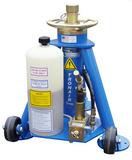
02-0526-0100 - Tronair 02-0526C0110 – 5-Ton Tripod Jack


The 02-0526-0100 is a specific part number of the series Tronair 02-0526C0110. For more generalized information on this item series or for more options, click here.

| Alternate Models | |
|---|---|
| 02-0526-0100 | Previous Model Number |
| 02-0526-0110 | Previous Model Number |
| 02A0526C0110 | With Air Pump Installed |
| 02B0526C0110 | With Air Pump and Spring Loaded Casters |
| 02C0526C0110 | With Spring Loaded Casters |
| General Information | |
|---|---|
| Part # | 02-0526-0100 |
| Manufacturer | Tronair |
| NSN | 1730016414126 |
| Manual 1 | View Tronair 02-0526C0110 Parts, Service, and Operation Manual |
| Shipping Information | |
|---|---|
| Shipping Weight | 145 lbs. |
| Shipping Dimensions | 30 x 28 x 33 in. |
| Freight NMFC | 186600 |
| Schedule B | 8431100090 |
| ECCN | EAR99 |
Customers also viewed
Customers who bought this item also purchased
AIRCRAFT COMPATIBILITY
| Compatible Aircraft* | |
|---|---|
| Adam | A500 , A700 |
| Aerospatiale | Nord 262 |
| Bombardier |
C-21
NOTE
This jack is used on the aircraft's main and nose landing gear. Two main jacks and one nose jack are required per aircraft.
,
Learjet 23
NOTE
This jack is used on the aircraft's main and nose landing gear. Two main jacks and one nose jack are required per aircraft.
,
Learjet 24
NOTE
This jack is used on the aircraft's main and nose landing gear. Two main jacks and one nose jack are required per aircraft.
,
Learjet 25
NOTE
This jack is used on the aircraft's main and nose landing gear. Two main jacks and one nose jack are required per aircraft.
,
Learjet 31
NOTE
This jack is used on the aircraft's main and nose landing gear. Two main jacks and one nose jack are required per aircraft.
,
Learjet 31A
NOTE
This jack is used on both the main and nose landing gear. Three jacks per aircraft – 2 main, 1 nose – are required.
,
Learjet 35
NOTE
This jack is used on the aircraft's main and nose landing gear. Two main jacks and one nose jack are required per aircraft.
,
Learjet 55
NOTE
This jack is used on the aircraft's main and nose landing gear. Two main jacks and 1 nose jack are required per aircraft.
|
| Cessna |
401
NOTE
This jack is used on both the main and nose landing gear. Three jacks – 2 main, 1 nose – per aircraft are required.
,
402
NOTE
This jack is used on both the main and nose landing gear. Three jacks – 2 main, 1 nose – per aircraft are required.
,
404
NOTE
This jack is used on both the main and nose landing gear. Three jacks – 2 main, 1 nose – per aircraft are required.
,
414A
NOTE
This jack is used on both the main and nose landing gear. Three jacks – 2 main, 1 nose – per aircraft are required.
,
421C
NOTE
This jack is used on both the main and nose landing gear. Three jacks – 2 main, 1 nose – per aircraft are required.
,
Bravo
NOTE
This jack is used on the main landing gear. Two jacks per aircraft are required.
,
Citation 650
NOTE
This jack is used on the nose landing gear.
,
Citation CJ1
NOTE
This jack is used on the main landing gear. Two jacks per aircraft are required.
,
Citation CJ2
NOTE
This jack is used on the main landing gear. Two jacks per aircraft are required.
,
Citation CJ3
NOTE
This jack is for the main landing gear. Two jacks per aircraft are required.
,
Citation Encore 560
NOTE
This jack is used on the main landing gear. Two jacks per aircraft are required.
,
Citation I 500
NOTE
This jack is used on the main landing gear. Two jacks per aircraft are required.
,
Citation I/SP 501
NOTE
This jack is used on the main landing gear. Two jacks per aircraft are required.
,
Citation II 550
NOTE
This jack is used on the main landing gear. Two jacks per aircraft are required.
,
Citation III
NOTE
This jack is used on the nose landing gear.
,
Citation M2
NOTE
This jack is used on the main landing gear. Two jacks per aircraft are required.
,
Citation SII
NOTE
This jack is used on the main landing gear. Two jacks per aircraft are required.
,
Citation Ultra 560
NOTE
Main landing gear jack – Two jacks and two jack pads (R-1798) per aircraft are required.
,
Citation V
NOTE
This jack is used on the main landing gear. Two jacks per aircraft are required.
,
Citation VI
NOTE
This jack is used on the nose landing gear.
,
Citation VII
NOTE
This jack is used on the nose landing gear.
|
| Eurocopter | AS365N Dauphin , HH-65A Dolphin |
| Hawker Beechcraft |
Beechjet 400A
NOTE
This jack is used on the nose landing gear of aircraft with serial numbers before RK-144.
,
Diamond
NOTE
This jack is used on the nose landing gear of aircraft with serial numbers before RK-144.
|
| Pilatus | |
| Shorts | 330 , 360 |
PRODUCT REVIEWS
QUESTIONS & ANSWERS
The Tronair 02-0526C0110 hydraulic tripod jack is designed specifically for lifting aircraft by the fuselage or wing in maintenance and service environments. It is intended to be used in combination with other jacks and proper aircraft jacking procedures to maintain balance and stability. This aircraft tripod jack should be used only for lifting operations, not for metal forming or other unintended applications. Its purpose-built design ensures safe, controlled lifting in aviation settings.
The Tronair 02-0526C0110 has a rated lifting capacity of 10,000 lbs (4,536 kg), making it suitable for a wide range of aircraft maintenance applications. This 5-ton hydraulic tripod jack is engineered to handle substantial loads while maintaining stability and control. It is important to ensure that the load on any single jack does not exceed its rated capacity. Proper load distribution across multiple jacks is essential for safe aircraft lifting.
This aircraft tripod jack provides a maximum lifting height of 50” (127 cm), combining both mechanical and hydraulic extension. It includes 8” (20.3 cm) of mechanical extension and 16” (40.6 cm) of hydraulic extension. This range allows technicians to precisely position the jack for different aircraft configurations. The adjustable height improves flexibility and efficiency during maintenance operations.
Yes, an air pump option is available for this aircraft jack. To include a pneumatic pump, please order model 02A0526C0110, which comes equipped with an air-driven hydraulic system. The air pump requires a minimum of 25 PSI and operates best at around 40 PSI, with a maximum of 125 PSI. This option helps reduce manual effort and speeds up lifting operations in busy maintenance environments.
Tronair recommends using MIL-PRF-5606 hydraulic fluid for this hydraulic tripod jack. This aviation-approved fluid ensures proper lubrication, consistent performance, and compatibility with the jack’s internal components. Using the correct fluid helps prevent premature wear and maintains system efficiency. Always follow manufacturer guidelines when servicing the reservoir.
The hydraulic fluid level should be maintained within 1.5” (3.8 cm) below the reservoir vent cap. Keeping the correct fluid level ensures optimal hydraulic performance and prevents air from entering the system. Low fluid levels can reduce lifting efficiency and lead to operational issues. Regular checks before use help maintain safe and reliable operation.
This aircraft tripod jack includes several critical safety features designed to protect both equipment and personnel. A pressure relief valve prevents overloading during lifting operations, while the ram locknut mechanically secures the load to prevent unintended lowering. On air pump models, a hold-to-run air valve ensures controlled lifting by requiring continuous operator input. These built-in safeguards help ensure safe, controlled aircraft maintenance operations.
The Tronair 02-0526C0110 should be operated on a clean, dry, and level surface to ensure stability and safety. It is designed to function within a temperature range of -4°F to 122°F (-20°C to 50°C). Operating outside these conditions can affect performance and safety. Following proper environmental and setup guidelines helps extend the jack's life and ensure reliable operation.
Regular maintenance is essential to keep this hydraulic aircraft jack operating safely and efficiently. Fluid levels should be checked before each use, casters should be lubricated every three months, and the unit should be cleaned annually or as needed. In addition, the jack should undergo an annual load test at 105% to 110% of its rated capacity. Following this maintenance schedule helps ensure long-term reliability and compliance with aviation standards.
The replacement ram seal kit for this hydraulic tripod jack is part number K-1049. The pump seal kit is part number K-3441. These OEM replacement kits are designed to maintain proper sealing and hydraulic performance. Using genuine Tronair parts helps ensure compatibility and long-term reliability.
The replacement #4 mineral-based assembly hose for this aircraft tripod jack is part number TF-1043-03*15.0. This hose is designed to meet the system’s hydraulic requirements and maintain proper fluid flow. Replacing worn or damaged hoses with the correct part ensures safe and efficient operation. Always verify compatibility before installation.
Yes, this aircraft tripod jack should be load tested annually to verify performance and safety. The test is typically performed at 105% to 110% of the jack’s rated capacity to ensure it can handle operational stresses. Regular load testing helps identify potential issues before they become critical failures. This practice is essential for maintaining safety and compliance in aviation maintenance environments.


