






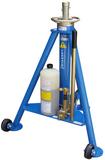
0544-100 - Tronair 02-0544C0110 – 5-Ton Tripod Jack


Create yours now for free.
The 0544-100 is a specific part number of the series Tronair 02-0544C0110. For more generalized information on this item series or for more options, click here.

Need a Quote?
| Alternate Models | |
|---|---|
| 02-0544-0100 | Previous Model Number |
| 02-0544-0110 | Previous Model Number |
| 02A0544-0110 | Air Pump Installed |
| 02A0544C0110 | Air Pump Installed (CE) |
| 0544-100 | Previous Tronair Jack Model Number |
| General Information | |
|---|---|
| Part # | 0544-100 |
| Manufacturer | Tronair |
| Manual 1 | View Tronair 02-0544C0110 Parts, Service, and Operation Manual |
| Shipping Information | |
|---|---|
| Shipping Weight | 245 lbs. |
| Shipping Dimensions | 46 x 43 x 53 in. |
| Freight NMFC | 186600 |
| Schedule B | 8425420000 |
| ECCN | EAR99 |
Customers also viewed
Customers who bought this item also purchased
AIRCRAFT COMPATIBILITY
| Compatible Aircraft* | |
|---|---|
| Fairchild/Dornier |
Dornier 228-100/200
,
Metro Merlin III
,
Metro Merlin IV
NOTE
Mains / Nose (Qty 3) - Tripod 5 Ton (CE) - 44 to 76 inches
|
| Hawker Beechcraft |
Hawker 1000
NOTE
This jack is used on the tail of the aircraft.
,
HS-125 400 Series
NOTE
This jack is used on the tail of the aircraft.
,
HS-125 800 / 850 / 900 Series
NOTE
This jack is used on the tail of the aircraft.
,
T-1 Jayhawk
NOTE
This jack is used on the tail of the aircraft.
,
T-400
NOTE
This jack is used on the tail of the aircraft.
|
| IAI | Westwind 1 , Westwind 2 |
| Pilatus |
PC-12
NOTE
This jack is used on the tail of the aircraft.
|
PRODUCT REVIEWS
QUESTIONS & ANSWERS
Yes, the Tronair 02-0544C0110 is CE marked, ensuring compliance with European safety and quality standards. This certification indicates that the jack meets rigorous requirements for safe operation in maintenance facilities across global markets. For operators in regions where CE compliance is mandatory, this mark provides assurance of conformity.
The jack’s hydraulic system is powered manually using a hand pump integrated into the frame. Operators pump the handle to extend the hydraulic cylinder, raising the aircraft gradually and in a controlled manner. The system is equipped with a bypass valve to prevent overloading and ensure safe operation.
The Tronair 5-ton tripod jack features a mechanical locking collar that secures the load once the aircraft is raised. A pressure relief valve prevents overpressurization of the hydraulic system, protecting both the jack and the aircraft. Additionally, its wide tripod base distributes loads evenly for stability during lifting.
The jack must be placed directly under approved aircraft jacking points as outlined by the aircraft manufacturer. The base should sit on a flat, stable surface, and the jack’s legs should be spread fully to ensure balance. Using an unapproved position can cause structural damage or unsafe lifting conditions.
Yes, the Tronair tripod jack can be used outdoors, provided it is placed on a stable, level surface. However, precautions should be taken against harsh weather conditions such as rain or snow, which may impact stability or hydraulic performance. Protective covers and regular cleaning help extend the jack’s lifespan in outdoor environments.
Routine inspections should be performed before each use to check for hydraulic leaks, structural integrity, and proper fluid levels. Annual maintenance typically includes lubrication, seal inspection, and load testing to confirm lifting capacity. Tronair recommends following their service intervals to ensure ongoing reliability and safety.
The jack’s lifting range is controlled by extending or retracting the central hydraulic cylinder. Operators pump the hydraulic handle until the aircraft reaches the desired height. A locking collar can then be engaged to hold the position securely during servicing.
The jack includes caster wheels and tow handles that allow easy movement across flat hangar floors. Its compact frame and foldable legs make it maneuverable in tight spaces. For long-distance transport, the jack should be adequately secured to prevent tipping or rolling.
Before using the jack, technicians should check for leaks, cracks, and bent components. The locking collar should be tested to ensure proper engagement, and the hydraulic pump handle should move smoothly. These checks help prevent equipment failure during critical lifting operations.


