






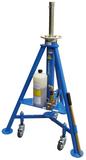
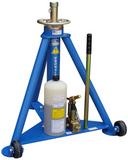
02-1036C0110 - Tronair 02-1036C0111 – 10-Ton Tripod Jack


The 02-1036C0110 is a specific part number of the series Tronair 02-1036C0111. For more generalized information on this item series or for more options, click here.

| Alternate Models | |
|---|---|
| 02-1036-0100 | Previous Model Number |
| 02-1036-0111 | Previous Model Number |
| 02-1036C0110 | Previous Part Number |
| 02A1036-0100 | Previous Model Number - With Air Pump |
| 02A1036C0111 | Air Pump Installed (CE) |
| 1036-100 | Previous Model Number |
| K-1043-15 | Air Pump Field Install Kit |
| General Information | |
|---|---|
| Part # | 02-1036C0110 |
| Manufacturer | Tronair |
| NSN | 1730016480242 |
| Manual 1 | View Tronair 02-1036C0111 Parts and Operation Manual |
| Shipping Information | |
|---|---|
| Shipping Weight | 245 lbs. |
| Shipping Dimensions | 38 x 38 x 43 in. |
| Freight NMFC | 186600 |
| Schedule B | 8425420000 |
| ECCN | EAR99 |
Customers also viewed
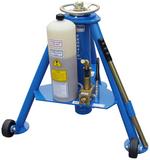
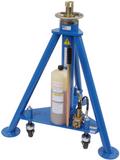
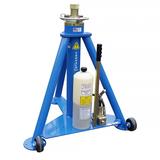
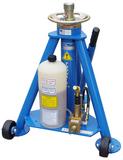
Customers who bought this item also purchased
AIRCRAFT COMPATIBILITY
| Compatible Aircraft* | |
|---|---|
| Airbus Military (CASA) | C-295 , CN-235/HC-144A |
| BAe | Jetstream 41 |
| Bombardier |
Challenger 300
NOTE
This jack is used on the aircraft's main landing gear. Two main jacks are required per aircraft.
,
Challenger 350
NOTE
This jack is used on the aircraft's main landing gear. Two main jacks are required per aircraft.
,
Challenger 600
NOTE
This jack is used on the aircraft's main landing gear. Two main jacks are required per aircraft.
,
Challenger 601
NOTE
This jack is used on the aircraft's main landing gear. Two main jacks are required per aircraft.
,
Challenger 604
NOTE
This jack is used on the aircraft's main landing gear. Two main jacks are required per aircraft.
,
Challenger 605 (CL605)
NOTE
This jack is used on the aircraft's main landing gear. Two main jacks are required per aircraft.
,
Challenger 650
NOTE
This jack is used on the aircraft's main landing gear. Two main jacks are required per aircraft.
,
Challenger 850
NOTE
This jack is used on the aircraft's main landing gear. Two main jacks are required per aircraft.
,
CRJ100
NOTE
This jack is used on the aircraft's main landing gear. Two main jacks are required per aircraft.
,
CRJ200
NOTE
This jack is used on the aircraft's main landing gear. Two main jacks are required per aircraft.
|
| Dassault |
Falcon 20-200
NOTE
This jack is used on the main and nose landing gear. One nose jack and two main jacks are required per aircraft.
,
Falcon 50
NOTE
This jack is used on the nose landing gear.
,
Falcon 50EX
NOTE
This jack is used on the nose landing gear.
|
| Gulfstream |
I
NOTE
This jack is used on the nose landing gear.
|
| Lockheed | Jetstar C-140 |
PRODUCT REVIEWS
Tronair is the best brand.
They will be used on a B737.
QUESTIONS & ANSWERS
Operators must always lower the ram locknuts after the aircraft is under load, as these are critical safety devices. Personnel should never work under a raised aircraft unless the load is secured, and care should be taken to avoid pinch points around the ram and locknuts. The jack must also be positioned on a clean, level surface and used only by trained technicians familiar with aircraft jacking procedures.
Before each use, the jack should be visually inspected for leaks, damage, or missing components. Technicians should check the hydraulic fluid level, confirm the ram and locking pins are in good condition, and verify that all nuts and bolts are tightened to specification. A quick function check – raising the ram to full stroke – also helps confirm the system is free of leaks before lifting an aircraft.
Preventative maintenance should be conducted regularly, with fluid level checks before each use. Casters should be lubricated every three months, and a thorough cleaning should be done annually or as needed. Additionally, the jack must undergo a load test at 105% to 110% of its rated capacity once a year to confirm performance and safety compliance.
When stored, the ram should always be fully lowered to protect seals and prevent contamination. If the jack is unused for 90 days, technicians should extend the ram fully, spray it with a BUNA N-compatible water-repellent lubricant, and then retract it for long-term protection. These practices prevent rust, seal degradation, and loss of hydraulic integrity.
To lower an aircraft, all jacks must be lowered simultaneously to keep the aircraft level. If the ram locknut is tight, the jack should first be raised slightly to release it. The pump release valve is then loosened carefully to allow a slow, controlled descent, while the ram locknut is raised as the jack lowers.
The jack must only be operated by skilled and trained aircraft technicians who are familiar with jacking procedures for the specific aircraft type. Employers are responsible for providing a training program covering operational safety, proper placement, and use of the jack. Maintenance and troubleshooting, however, should be performed only by technicians trained in hydraulic systems.
The tripod jack can be moved manually by rolling it on its casters. For longer transport or heavy handling, it can be lifted with a crane using straps through the tripod top or by using a forklift under the lower tripod support. At approximately 185 lbs (83.9 kg), it is designed for manageable ground handling.
K-3441 is the compatible pump seal kit for the 02-1036C0111 aircraft hydraulic tripod jack. This replacement kit is designed to restore proper sealing performance in the hydraulic pump, ensuring smooth operation and preventing leaks during lifting tasks. Using the correct OEM-approved pump seal kit helps extend the jack's service life and maintain safe, reliable aircraft maintenance operations.
The Tronair K-1050 ram seal kit is the approved replacement kit for the ram assembly of the 02-1036C0111 hydraulic tripod jack. Installing this kit helps maintain the jack’s lifting capacity by preventing hydraulic fluid leaks and preserving proper pressure within the ram. Regular inspection and timely replacement of ram seals are critical for keeping the jack dependable, especially during heavy-duty aircraft maintenance procedures.


