






Tronair K-1308 Ball-Lock Pin Kit for Select Towbar Heads


Create yours now for free.

Need a Quote?
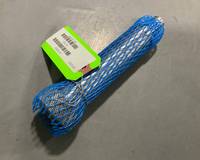
The Tronair K-1308 Ball-Lock Pin Kit is a replacement hardware kit designed for use with select Tronair aircraft towbar heads. It provides a secure, quick-release connection to help maintain proper towbar function during ground handling operations. If you’re unsure whether this ball-lock pin kit is compatible with your specific towbar head, PJi’s aviation specialists are available to assist by phone, email, or live chat.
Kit Includes
- G-1310-0415 – Ball-Lock T-Pin, 1/4" diameter x 1.5" long (Qty. 1)
- H-1026*07.0 – Lanyard Assembly (Qty. 1)
- G-1351-04 – Rivet, 1/8" diameter x 1/4" grip (Open-End Steel) (Qty. 1)
| General Information | |
|---|---|
| Part # | K-1308 |
| Manufacturer | Tronair |
| NSN | 5315015807412 |
| Shipping Information | |
|---|---|
| Product Weight | 1 lbs. |
| Product Dimensions | 5.5 x 4 x 1 in. |
| Freight NMFC | 11790 |
| Schedule B | 8431200000 |
| ECCN | EAR99 |
Customers also viewed

Customers who bought this item also purchased
AIRCRAFT COMPATIBILITY
| Compatible Aircraft* |
|---|
PRODUCT REVIEWS
QUESTIONS & ANSWERS
The Tronair K-1308 Ball-Lock Pin Kit includes a set of precision ball-lock pins and retainers designed to secure removable components on ground support equipment. These pins are engineered for frequent connection and disconnection without tools, which helps streamline maintenance workflows. The kit provides durable, mechanic-friendly hardware for easily locking and unlocking assemblies.
Ball-lock pins are measured by grip length, which is the usable length from the locking balls to the base of the handle. This measurement determines how much material the pin can securely pass through when installed in ground support equipment or tooling. Proper grip length is important to ensure secure retention and avoid play in the joint.
The G-1310-0415 ball-lock pin included in the Tronair K-1308 Ball-Lock Pin Kit measures 1/4" in diameter with a 1.5” grip length. These dimensions are designed to match specific component interfaces on Tronair ground support equipment. Using the correct ball-lock pin size helps ensure reliable engagement and smooth operation.
Ball-lock pins provide a quick, secure, and tool-free way to fasten removable parts, such as handles, levers, and adapters, on aircraft ground support equipment. They allow technicians to quickly install or remove components during setup, servicing, and teardown tasks. Their design helps minimize downtime while maintaining a solid mechanical connection.
Unlike clevis or cotter pins, ball-lock pins have spring-loaded balls at the tip that automatically lock into place when inserted, eliminating the need for secondary clips or hardware. This results in faster engagement and disengagement while reducing the risk of losing small parts. Ball-lock pins also provide a consistent retention force that resists vibration and movement in service conditions.
Yes, individual replacement ball-lock pins and retainers are available from Tronair or authorized parts distributors. Technicians can order specific pin sizes if only certain components wear or become lost during maintenance. Using OEM replacement pins preserves the intended fit and performance of ground support equipment.
Ball-lock pins in the K-1308 kit are typically made from corrosion-resistant steel or similar durable alloys suitable for rugged ground support environments. These materials help ensure longevity and reliable performance even when exposed to moisture, road salts, and other contaminants common around ramps or hangars. Material choice also supports repeated cycles of installation without deformation.
Before use, ball-lock pins should be visually inspected for signs of wear, corrosion, bent shafts, or damaged retention balls. Ensure that the locking balls move freely and securely engage in the receiving hole, with no excessive play. Pins with binding or visible damage should be replaced to prevent failure during operation.
Yes. Like any mechanical locking feature, the spring-loaded ball mechanism can wear or lose tension over many service cycles. If the balls no longer lock securely or the pin becomes difficult to insert or remove, it’s a sign that the pin needs replacement. Regular inspection and timely replacement help maintain safe and reliable pin performance.
Ball-lock pins offer a positive locking action that reduces the risk of accidental disengagement compared to simpler pin designs. Their automatic engagement helps ensure that components remain securely fastened during use, even under vibration or movement. This enhances operator safety by minimizing the risk of loose parts that could otherwise cause equipment failure or injury.


