






GSB0700007 - Tronair R-1117 Main & Nose Jack Pad Adapters


It has been replaced by Tronair R-1117 (Qty 1)
The GSB0700007 is a specific part number of the series Tronair R-1117. For more generalized information on this item series or for more options, click here.

Need a Quote?
| Alternate Models | |
|---|---|
| 02-8014-4000 | Old Tronair Part Number |
| GSB0700007 | Bombardier GSE Part Number |
| General Information | |
|---|---|
| Part # | GSB0700007 |
| Manufacturer | Tronair |
| Shipping Information | |
|---|---|
| Product Weight | 0.8 lbs. |
| Product Dimensions | 3.4 x 1.8 x 1.5 in. |
| Schedule B | 8431100090 |
| ECCN | EAR99 |
Customers also viewed

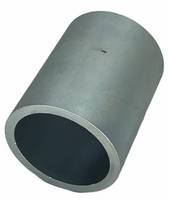
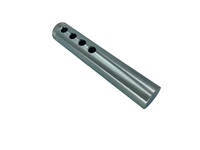
Customers who bought this item also purchased
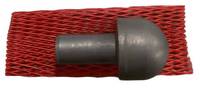

AIRCRAFT COMPATIBILITY
| Compatible Aircraft* | |
|---|---|
| Bombardier |
Dash 8-100
NOTE
This jack pad is used on the main and nose landing gear. Three jack pads – 2 main and 1 nose – are required per aircraft.
,
Dash 8-200
NOTE
This jack pad is used on the main and nose landing gear. Three jack pads – 2 main, 1 nose – are required per aircraft.
,
Dash 8-300
NOTE
This jack pad is used on the aircraft's main and nose landing gear. Two main jack pads and one nose jack pad required per aircraft.
,
Dash 8-400
NOTE
This jack pad is used on the aircraft's nose landing gear. One nose jack pad per aircraft is required.
|
| General Atomics | Predator A , Predator B |
PRODUCT REVIEWS
This item does not have any reviews yet.
QUESTIONS & ANSWERS
Many aircraft – especially older or specialized models – lack universal jacking surfaces. The R-1117 adapter creates a precise, load-rated interface between the jack and the aircraft’s landing gear or nose structure. Without a proper adapter, jacking could cause uneven load distribution, structural stress, or damage to the airframe or gear fittings.
For Dash 8-100/200/300 series aircraft, the standard requirement is two main-gear adapters and one nose-gear adapter (a total of three) to safely support the aircraft on jacks. For certain variants, such as the Dash 8-400, only one nose-gear pad may be required, depending on maintenance needs.
While the adapter is designed to interface with standard maintenance tripod or axle jacks that fit the landing gear geometry, you must verify that the jack’s ram diameter and jack plate geometry match the adapter’s design. Mismatched jacks can lead to instability or improper load transfer. Always confirm jack-to-adapter compatibility before use.
The R-1117 adapter is made from high-strength steel and machined to precise tolerances. This robust construction ensures it can safely bear the loads associated with lifting an entire airframe for maintenance operations without deformation or structural failure.
Prior to every jacking operation, inspect the adapter for visible cracks, deformation, or corrosion. Check mating surfaces for cleanliness, proper fit, and tight seating on the jack pad interfaces. Also, verify that any locking or retention mechanisms (if applicable) are functional. These inspections help avoid slippage or misalignment during lifts.
Using a compromised jack pad adapter can lead to uneven weight distribution, slippage, or sudden collapse – all of which risk structural damage to the landing gear, fuselage mounts, or other airframe components. In worst-case scenarios, it could result in gear collapse or injury. That’s why a failed or suspect adapter should be retired immediately.
Yes. Many operators leave the adapter installed at the aircraft’s jack points. However, it should be covered or capped when not in use to protect the surfaces from corrosion, contaminants, or accidental damage. Keeping the adapter clean ensures longevity and readiness when jacking is required.
Absolutely! By providing a reliable, aircraft-specific jack interface, R-1117 adapters simplify the setup needed for maintenance jacking. This reduces prep time, decreases the risk of mismatched equipment, and streamlines tasks like tire changes, brake work, and landing gear inspections. The result is faster, safer ground support operations.
The R-1117 ensures that load paths align with structural hardpoints engineered by the aircraft manufacturer. By doing so, it avoids stress concentrations in unintended areas, improves balance during lifts, and eliminates the need for makeshift blocks or supports that could slip or fail. This aligns with industry best practices for safe jacking.
Store the adapters in a clean, dry location when not in use. Periodically inspect for corrosion, clean mating surfaces before each use, and ensure all bolts or retaining fasteners (if used) are torqued to spec. Avoid exposure to harsh chemicals or salt spray, as these can cause metal surfaces to degrade over time.
Technicians should be familiar with the aircraft’s maintenance manual, jacking procedures, and the proper positioning of the jack. While no special certification is required solely for the adapter, correct training ensures the adapter is used safely and prevents misuse that could damage the aircraft.
No. The R-1117 is specifically engineered for Dash 8-series and Predator MQ-1/MQ-9 structural hardpoints. Using it on other aircraft risks misalignment, improper load transfer, and potential structural damage. Always verify compatibility with the airframe before attempting to jack it up.
For every Dash 8 aircraft in service, having at least three adapters per aircraft (two main and one nose) is standard. For maintenance shops working on multiple aircraft, it’s wise to stock an additional set as backup. This reduces downtime in the event that adapters become damaged or are in use elsewhere, ensuring continuous readiness.


