





An Aircraft Maintenance Technician's Guide to Servicing Landing Gear
Key Takeaways
- Aircraft landing gear is a complex, interconnected system – encompassing legs, wheels, tires, shock struts, brakes, steering, doors, and extension/retraction mechanisms – each requiring its own dedicated servicing procedures.
- Shock struts and oleo legs require periodic inspection for leaks and pressure loss, with servicing that may involve hydraulic fluid replenishment, nitrogen charging, and specialized bleed valves.
- Tires must be inflated with nitrogen rather than air to minimize oxygen-related deterioration and maintain consistent pressure, and should be inspected regularly for tread wear, cuts, and foreign object debris.
- Effective landing gear maintenance depends on having the right tooling on hand – including borescopes, eddy current testers, tire-changing equipment, brake service tools, and lubrication equipment – as well as current manufacturer maintenance manuals.
- Pilot John International stocks landing gear parts and tooling for a wide range of aircraft types and can provide technical guidance on component compatibility, competitive pricing, and fast shipping to minimize aircraft downtime.
Landing gear is one of the most crucial components of an aircraft, enduring the brunt of takeoff and landing forces while ensuring a smooth, safe transition between the ground and the air. Ensuring that the landing gear is adequately serviced and maintained is paramount to the safety and performance of any aircraft. Aircraft maintenance technicians (AMTs) are responsible for keeping these complex systems functioning flawlessly. In this article, we’ll take an in-depth look at the various landing gear parts that require servicing, the components and tooling needed for these tasks, and best practices to ensure thorough, effective maintenance.
Understanding the Landing Gear System

Aircraft landing gear systems vary in complexity depending on aircraft size and type. However, the core components remain similar:
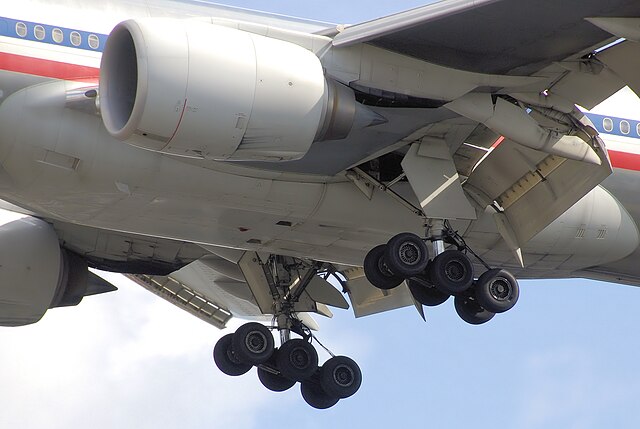
- Landing Gear Legs – Typically made of high-strength steel or titanium, these sturdy structures support the aircraft's weight during landing and taxiing. Depending on the design, landing gear legs may be telescoping or fixed.
- Wheels and Tires – These are the primary points of contact between the aircraft and the ground. Tires are inflated with nitrogen to minimize oxygen-related deterioration and maintain consistent pressure. Wheels may be single, dual, or even multiple, depending on the aircraft's weight distribution.
- Shock Struts or Oleo Legs – These hydraulic or air-oil struts absorb the impact of landing and taxiing, cushioning the aircraft and preventing airframe damage.
- Steering System (Nose Gear Only) – The nose landing gear features a steering mechanism that allows pilots to maneuver the aircraft on the ground. Depending on the plane, this system may be hydraulic or electric.
- Braking System – The landing gear houses the braking system, which is crucial for stopping the aircraft during landing and taxiing. This system uses hydraulic pressure to actuate brakes on the wheels.
- Landing Gear Doors – These doors retract during flight to reduce drag and deploy during landing to protect the wheels and brakes from debris.
- Landing Gear Extension and Retraction System – This system uses hydraulic or electric power to extend and retract the landing gear. It may include various components, such as actuators, sequencers, and position sensors.
Essential Servicing Procedures for Different Landing Gear Components
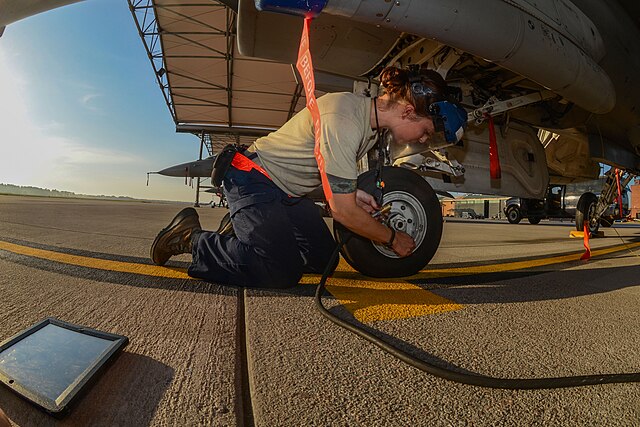
Now that we've reviewed the key components, let's explore the specific servicing tasks involved:
- Landing Gear Legs – Inspections focus on identifying cracks, corrosion, or any signs of deformation. Specialized tools, such as eddy current testers, can be used for non-destructive inspections. As per the manufacturer's instructions, specific points might require lubrication.
- Wheels and Tires – Regular inspections check for tread wear, cuts, or foreign object debris (FOD) lodged in the tread. Maintain tire pressure according to manufacturer specifications. Worn or damaged tires need prompt replacement. Special tire-changing equipment is often used to safely remove and install aircraft tires.
- Shock Struts/Oleo Legs – These require periodic inspections for leaks, damage, or loss of fluid pressure. Depending on the design, servicing may involve refilling with hydraulic fluid or a compressed air/oil mixture. Specialized equipment, such as bleed valves and nitrogen charging stations, may be needed.
- Steering System (Nose Gear Only) – Inspections ensure smooth operation, proper alignment, and that there are no leaks in the hydraulic system. Lubrication of specific points might be necessary. Some systems require specialized tools for adjustments or component replacement.
- Braking System – Conduct regular inspections to check for wear on brake pads and rotors. Monitor brake fluid levels and pressure. Worn pads and rotors require replacement using appropriate tools, while hydraulic fluid might need to be bled or replaced per the manufacturer's recommendations.
- Landing Gear Doors – These require inspections for damage, proper operation of the retraction mechanism, and functioning of door latches. Lubrication of specific points might be needed. Some inspections may require specialized tools to access specific areas.
- Landing Gear Extension and Retraction System – This system undergoes functional checks to ensure proper extension and retraction of the landing gear. Leak checks and component inspections for wear or damage might be involved. Specialized diagnostic tools might be required to troubleshoot any malfunctions.

Components and Tooling for Effective Landing Gear Servicing
Equipping your hangar with the right components and tools is essential for efficient landing gear servicing. Here's a basic overview of what you should have on hand:
Components
- Wheels and Tires – Premium tires from reputable manufacturers and compatible wheel assemblies for different aircraft types.
- Brake Pads and Rotors – High-quality brake components designed for optimal performance and safety.
- Hydraulic Components – Seals, hoses, and other essential elements for properly functioning braking and retraction systems.
- Landing Gear Door Components – Bushings, bearings, trunnions, and washers to ensure smooth door operation.
- Shock Strut Components – Seals, O-rings, and other components to maintain proper shock strut functionality.
Tooling

- Inspection Tools – These include visual inspection aids such as flashlights and borescopes, as well as nondestructive testing equipment such as eddy-current testers, tire pressure gauges, and fluid level indicators.
- Servicing Tools – These include tire-changing equipment, bleed valves for shock strut servicing, brake service tools for pad and rotor replacement, specialized wrenches and sockets for specific landing gear components, and lubrication equipment.
- Technical Documentation – The airframe manufacturer provides aircraft maintenance manuals (AMMs) detailing specific servicing procedures, inspection intervals, and lubrication points for each landing gear component. These manuals are essential resources for ensuring proper and safe maintenance practices.
The Bottom Line
Maintaining aircraft landing gear is a critical task that requires attention to detail, specialized knowledge, and the right tools. Regular inspections, coupled with thorough servicing of all landing gear components, are essential to ensure the aircraft's safety and reliability. For aircraft maintenance technicians, staying up to date with the latest maintenance practices and using high-quality components are critical to performing their job effectively.
Pilot John International® (PJi) offers a comprehensive selection of landing gear parts and tooling to meet the requirements of AMTs across the aviation industry. Our knowledgeable team is dedicated to supporting your landing gear servicing needs by offering:
- Technical Expertise – Our representatives can answer your questions about specific landing gear parts and tools, ensuring compatibility with your aircraft model.
- Competitive Pricing – We strive to provide the best value for your money, offering competitive prices on landing gear parts and tools.
- Fast and Reliable Shipping – We understand that grounded aircraft cost money. We prioritize fast, reliable shipping to ensure you receive the parts you need promptly.
By combining your expertise as an AMT with the right parts and tools from PJi, you can ensure your aircraft's landing gear remains reliable and safe for countless takeoffs and landings. Browse our extensive online inventory or contact our aviation specialists today!