





Best Practices for Maintaining and Testing Aircraft Life Vests
Key Takeaways
- Regular inspection is a regulatory requirement – not just a best practice – with commercial operations typically requiring checks every 30 days and general aviation requiring checks annually, though factors like saltwater routes and handling frequency may call for more frequent checks.
- FAA regulations require all aircraft flying over water to carry an approved life vest for each occupant, with operators responsible for maintaining detailed inspection and service records for every unit.
- Testing should include both a visual inspection for fabric damage, hardware issues, and mildew, and a manual inflation test where the vest is left inflated overnight to verify there are no leaks.
- CO2 cartridges and automatic inflation systems require regular verification – including expiration checks, weight comparisons, and inspection of visual status indicators – and any vest with a failed or damaged inflation system must be immediately removed from service.
- Life vests should be stored in dry, temperature-controlled environments, away from UV exposure, heat sources, and chemical fumes, with stowage bags and packaging integrity checked whenever a vest is moved or reinstalled.
- Pilot John International carries a full range of aviation life vests from Switlik and AVI Survival Products – covering adult, youth, children's, and infant models – for operators needing compliant, mission-ready safety equipment.
In aviation, every detail counts – especially when it comes to safety equipment. Whether you're flying commercial passengers over open water or operating a corporate jet with overwater segments, the aircraft life vest is a critical line of defense in an emergency. Proper maintenance and testing of this gear isn’t just best practice – it’s a regulatory and ethical necessity. With a variety of life vest types available from trusted brands like Switlik and AVI Survival Products, understanding how to inspect, test, and store them correctly can make all the difference.
In this article, we’ll discuss inspection intervals, testing procedures, regulatory requirements, and best practices for ensuring that every aircraft life vest – from infant life vests and youth life vests to constant-wear models – is ready for use when it matters most.
How Often Should Aviation Life Vests Be Inspected?
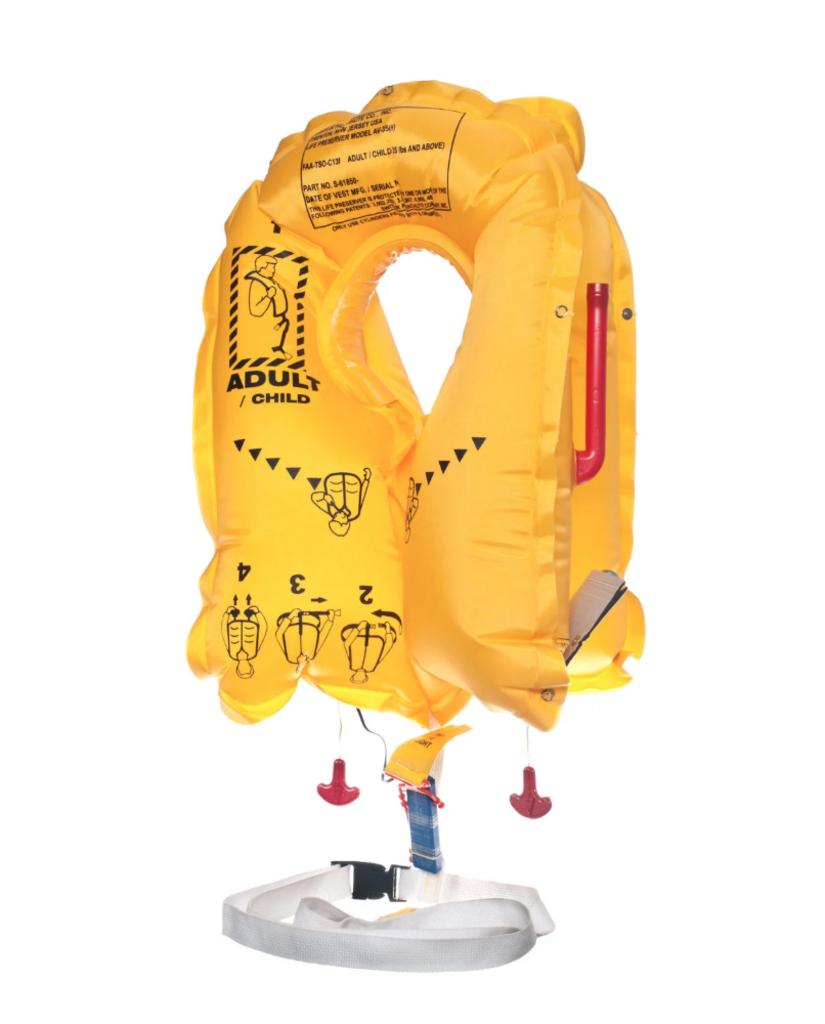
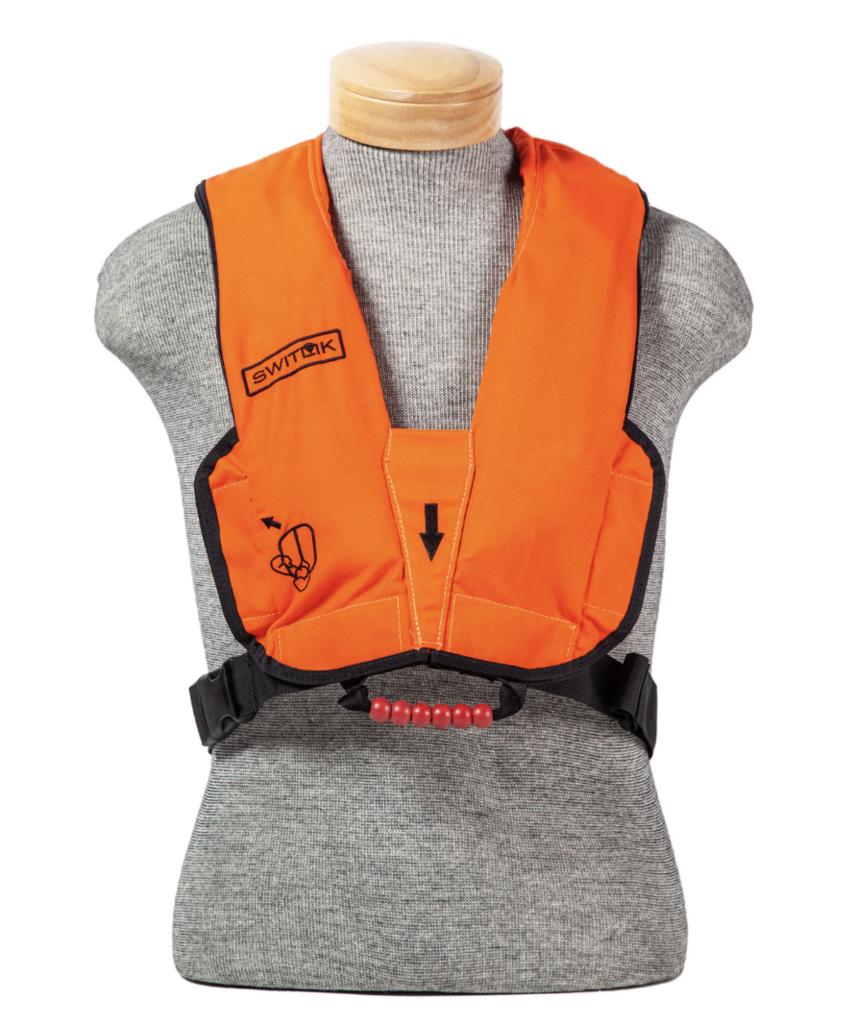
Aviation life vests should be inspected regularly, with inspection frequency based on vest type, usage conditions, and FAA guidance. While the FAA mandates pre-flight readiness for all required safety equipment, detailed inspections are typically conducted every 30 days for commercial operations or annually for general aviation. Some manufacturers, like Switlik Survival Products, recommend semiannual visual checks and professional servicing every two years for constant-wear life vests.
Operational factors such as humidity, handling frequency, and flight routes (especially over saltwater) may warrant more frequent inspections. For under-seat airline life vests, inspection intervals may be extended if the vests remain sealed and stowed, though visual checks should be performed whenever the vests are removed during maintenance.
What Are the FAA Regulations for Aircraft Life Vest Maintenance?
According to FAA regulations, all aircraft operating over water must be equipped with an approved aviation life vest for each occupant. The life vest must be readily accessible and include a means of inflation or buoyancy that will keep the user's head above water. For general aviation, life vests are required when flying beyond gliding distance from shore.
The FAA also requires proper recordkeeping for all maintenance of safety equipment. Operators must log all inspections and servicing events, including serial numbers and service actions, to ensure traceability and compliance during audits. To remain compliant, it’s crucial to follow both FAA guidance and original equipment manufacturer (OEM) recommendations.
How Does Proper Life Vest Maintenance Support Aircraft Safety and Regulatory Compliance?
A well-maintained inflatable life vest isn’t just a box to check – it’s a lifeline. Proper inspection and testing ensure these devices will work as intended during emergencies, preserving passenger lives and avoiding costly legal liabilities. Maintenance also supports an operator’s broader safety culture, signaling a commitment to crew and customer welfare.
From a regulatory standpoint, poor recordkeeping or outdated equipment can result in severe penalties during FAA audits. Staying compliant not only avoids fines but also builds trust among passengers, stakeholders, and regulatory bodies alike.
What Is the Process for Testing an Aircraft Life Vest?
Testing procedures vary slightly depending on the life vest type, but all models – whether constant-wear or under-seat – should undergo both visual and functional testing. Start with a visual inspection to identify any rips, mildew, or hardware issues. Then manually inflate the vest using the oral tube, leaving it inflated overnight to test for leaks.
Technicians may also inspect inflation valves and ensure indicator pins are properly engaged. For inflatable life vests, ensure the inflation lanyard is undamaged and that the bladder holds pressure for the full observation period. If a vest fails any portion of this test, it should be removed from service immediately.
How Can You Ensure the CO2 Cartridge and Inflation System Are Functioning Properly?
CO2 cartridges and automatic inflation mechanisms are essential for inflatable life vests and must be checked regularly. This includes verifying the cartridge’s expiration date, confirming it hasn’t been punctured, and checking for corrosion or damage. Most cartridges are designed to be weighed as part of routine inspection – any deviation from the printed weight indicates loss of integrity.
Visual indicators on automatic inflation modules (often a green/red tab) provide a quick status check. A green tab indicates the system is armed and ready. If the tab is red or if the CO2 cylinder is missing or damaged, the life vest must be removed from service and repaired by an approved facility.
What Are the Key Signs of Wear or Damage to Look for in an Aircraft Life Vest?
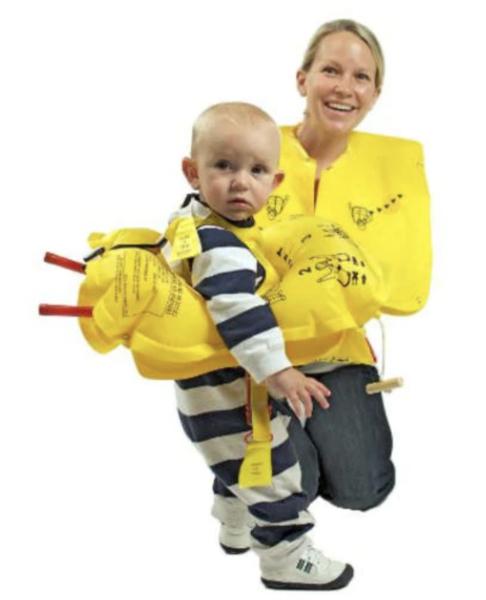
Common indicators of wear include fabric tears, delaminated reflective tape, mold or mildew buildup, faded or unreadable labels, cracked buckles, or compromised seams. In constant-wear units, fraying straps and water ingress indicators should also be checked. Infant and kids’ life vests may be particularly susceptible to damage due to frequent handling.
Even if the vest hasn’t been deployed, damage to its packaging or exposure to harsh environments (e.g., UV, salt, or humidity) can degrade its integrity. Always pay special attention to stowage bags or pouches – punctures or abrasions here could signal more serious internal damage.
What Are the Best Practices for Cleaning and Caring for Aviation Life Vests?
Gentle cleaning is key. Use a mild soap-and-water solution and a soft cloth to clean the exteriors of life vests. Avoid solvents, harsh detergents, bleach, or submersion in water, as these can compromise inflation systems or degrade materials. Never machine-wash or tumble-dry inflatable life vests.
After cleaning, air-dry the vest in a shaded, well-ventilated area. Do not place it near heat sources, such as radiators, or in direct sunlight. Routine care like this helps preserve the longevity and reliability of all life vest types – from adult life vests to youth life vests and infant life preservers.
How Should Aviation Life Vests Be Stored When Not in Use?
Life vests should be stored in a dry, temperature-controlled area away from direct sunlight and chemical fumes. Excessive heat, humidity, or UV exposure can degrade the vest’s fabric and rubber components. Avoid stacking or compressing vests, as this can damage the inflation bladder or trigger the inflation mechanism.
For onboard stowage, always secure life vests in their designated compartments or under-seat packaging. Switlik emphasizes checking the integrity of packaging materials during every removal or reinstallation, especially when vests are moved during aircraft maintenance or cabin upgrades.
When Should an Aircraft Life Vest Be Repacked or Serviced by a Professional?
While visual inspections and basic inflation tests can be performed in-house, certain servicing procedures must be conducted by certified technicians. These include rearming the CO2 inflation system, replacing expired cartridges, and repacking inflatable life vests after deployment.
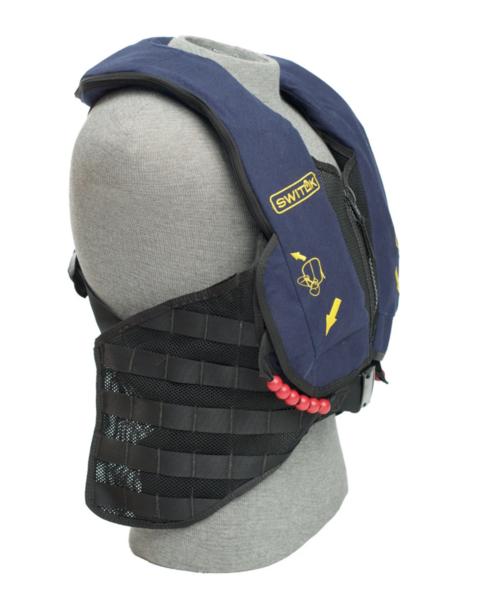
Switlik recommends professional servicing every two years for constant-wear models (TSO-C13d/f certified), provided the operator conducts semiannual visual inspections. For airline-style under-seat vests, servicing can extend to ten years when supported by operational history and compliance testing. However, if any vest fails an inspection or test or shows signs of damage, it should be serviced immediately, regardless of the interval.
How Long Do Aircraft Life Vests Last Before They Need Replacement?
While Switlik does not impose a hard expiration date, most aviation life vests begin to show signs of material degradation between 20 and 25 years of age. The key determinant is not age alone but the vest’s condition, service history, and ability to pass required tests.
That said, older vests – especially those nearing the 20-year mark – should be closely monitored for fabric wear and inflation reliability. Infant life vests and frequently handled units may require earlier replacement. Always consult the OEM’s maintenance manual for specific guidelines.
What Are the Best Practices for Logging Aviation Life Vest Inspections?
Recordkeeping isn’t just good practice – it’s an FAA requirement. Each inspection or service event should be logged, including the vest’s serial number, date, findings, action taken, and technician credentials. This ensures traceability, supports compliance audits, and helps operators track service intervals.
Many operators are moving toward digital recordkeeping platforms to streamline this process. Regardless of format, be consistent and detailed, especially when managing diverse fleets with different life vest types.
The Bottom Line

A properly maintained aircraft life vest could mean the difference between life and death during a water emergency. From Switlik’s inflatable life vests and constant-wear models to every infant life vest stowed on board, every unit must be tested, logged, and stored in accordance with FAA standards and OEM recommendations.
Pilot John International® (PJi®) is proud to offer a wide range of aviation life vests and life preservers – including adult life vests, youth life vests, children’s life vests, and infant life vests – from industry leaders like Switlik and AVI Survival Products. Whether you’re managing a fleet of corporate jets or maintaining general aviation aircraft, our specialists are ready to help you find the right life vest solution for your operation.
Need help choosing the best inflatable life vests for your aircraft? Contact us today by phone, email, or live chat – we’re here to help you stay safe, compliant, and airworthy.