How AI Is Transforming Aviation Maintenance and MRO Operations
Key Takeaways
- AI is already embedded in aviation maintenance workflows – not a future concept. Active applications include fault diagnostics, predictive maintenance analytics, automated inspection tools, maintenance scheduling, and inventory and supply chain forecasting.
- Predictive maintenance uses real-time sensor data and machine learning to forecast component failures before they occur – a significant shift from fixed-interval maintenance that reduces unscheduled downtime and improves dispatch reliability.
- Augmented reality (AR) and virtual reality (VR) work alongside AI – AR delivers real-time, AI-generated guidance to technicians during task execution, while VR supports procedure training without requiring access to a live aircraft.
- AI will not replace aircraft maintenance technicians. It handles data-heavy and repetitive tasks, freeing technicians to focus on diagnostics, physical assessment, and airworthiness decisions that require human judgment and accountability.
- Key challenges include regulatory and certification requirements for AI systems, reliance on high-quality, integrated data, and the complexity of integrating AI tools with existing maintenance software and workflows.
- PJi supports modern MRO operations with a broad range of GSE, avionics test equipment, aircraft parts, and tooling – plus GSE repair, servicing, and nationwide mobile support.
Artificial intelligence is no longer a future concept in aviation maintenance – it is an active force reshaping how aircraft are inspected, maintained, and returned to service. As fleets become more connected and data-rich, AI, machine learning, and automation are enabling maintenance teams to move beyond reactive fixes and rigid schedules toward smarter, predictive, and data-driven workflows.
From diagnostics and planning to inventory management and technician support, AI in aviation maintenance is improving visibility, reliability, and decision-making across maintenance, repair, and overhaul (MRO) operations. These technologies are also transforming the structure of aircraft maintenance programs, the way technicians interact with systems, and how operators manage costs and risk in an increasingly complex operating environment.
In this article, we’ll explore how AI is transforming aviation maintenance today, where it’s headed next, and what it means for the future of MRO operations.

What Is Artificial Intelligence, and How Does AI Work in Aviation?
Artificial intelligence (AI) refers to computer systems designed to perform tasks that normally require human intelligence, such as recognizing patterns, analyzing data, and making informed decisions. In practical terms, AI processes large volumes of data, identifies trends and anomalies, and generates insights that support faster, more accurate decision-making. Machine learning, a core component of artificial intelligence, enables systems to improve over time as they are exposed to more data.
Some modern AI applications also rely on large language models (LLMs), including generative pre-trained transformers (GPTs), which are trained on vast datasets to understand and generate human-like text. While these models power conversational AI and generative tools, they represent just one category of AI and operate alongside other machine learning systems focused on analytics, prediction, and pattern recognition.
In aviation, artificial intelligence applications are trained using historical maintenance records, sensor data, flight logs, inspection results, and real-time aircraft health-monitoring data. By learning how systems behave under normal and abnormal conditions, AI tools can detect subtle changes that might indicate developing issues. This foundation is what enables AI to support diagnostics, predictive maintenance, and operational planning in modern aviation maintenance environments.
How Is AI Used in Aviation Maintenance Today?
AI is already deeply embedded in many aviation maintenance workflows, even when it operates behind the scenes. From aircraft maintenance software to inspection technologies, AI applications support technicians, planners, and reliability teams by processing complex data sets and delivering actionable insights. Rather than replacing existing processes, AI enhances them by improving accuracy, speed, and consistency.
Below are some of the most common AI applications in aviation maintenance and MRO operations today.
Common AI Applications in Aviation Maintenance
- AI-Powered Fault Diagnostics and Troubleshooting
AI-driven diagnostic tools analyze fault codes, sensor readings, and historical failure patterns to help identify the root cause of system issues. These systems can correlate data across multiple aircraft and components, reducing troubleshooting time and minimizing guesswork. By narrowing down likely causes, AI supports faster corrective action and more consistent repair outcomes. - Predictive Maintenance Software and Analytics
Predictive maintenance software utilizes machine learning to assess aircraft condition in real time. Instead of relying solely on fixed inspection intervals, these systems forecast when components are likely to fail. This enables maintenance teams to proactively schedule work, thereby improving aircraft availability and reducing unscheduled downtime. - Automated Inspection Support Using Drones and Robotics
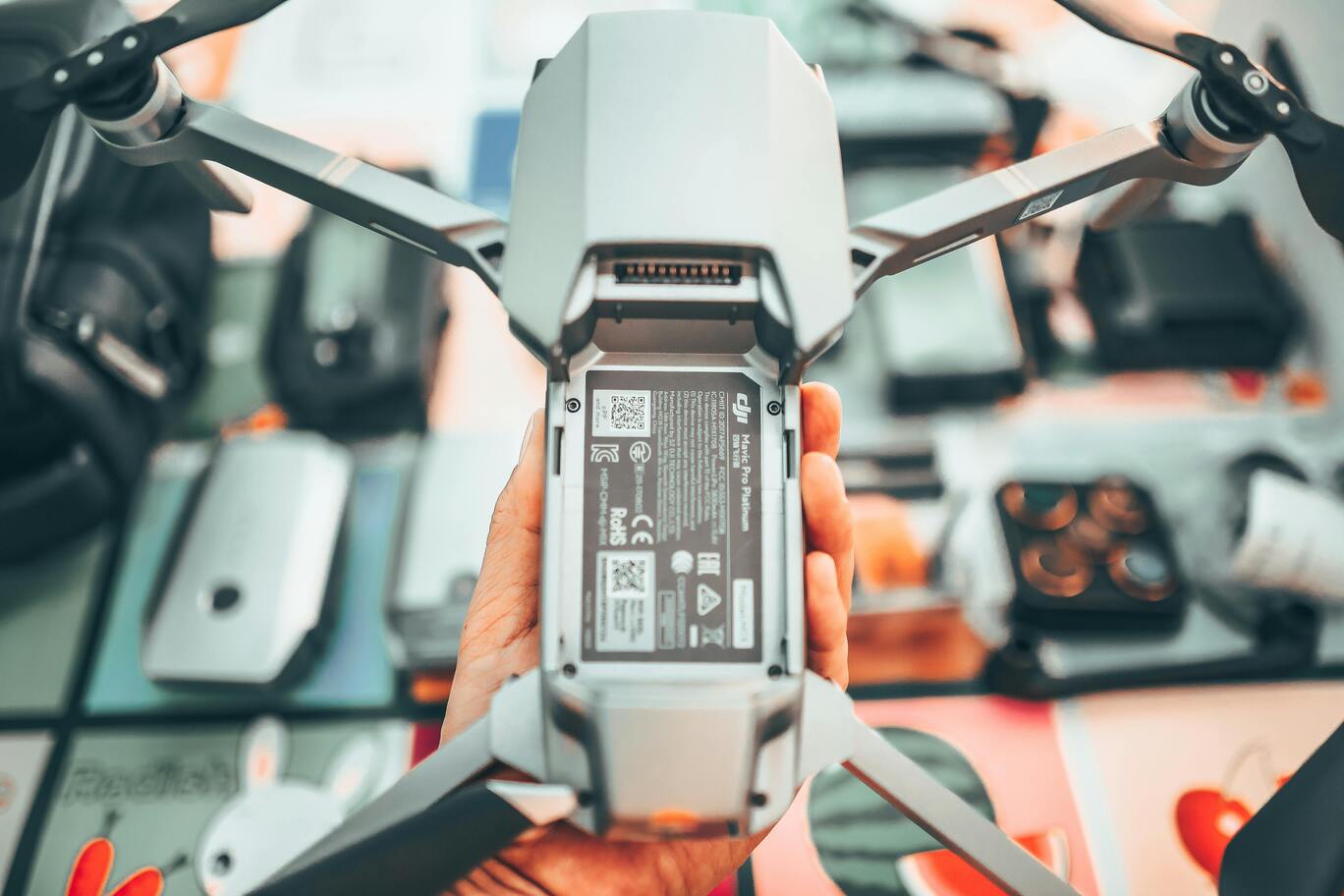
AI-powered drones and robotic systems are increasingly used for visual inspections of airframes, engines, and hard-to-reach areas. These tools can capture high-resolution images and use computer vision to detect cracks, corrosion, or surface damage. Automated inspection support improves inspection consistency while reducing aircraft ground time. - AI-Assisted Maintenance Planning and Scheduling
AI assists maintenance planners by evaluating aircraft usage, task duration, workforce availability, and regulatory requirements. By analyzing these variables together, AI tools help create more efficient maintenance schedules that reduce bottlenecks and optimize labor utilization. This enhances the overall maintenance flow and reduces aircraft turnaround times. - Inventory Forecasting and AI in Supply Chain Management
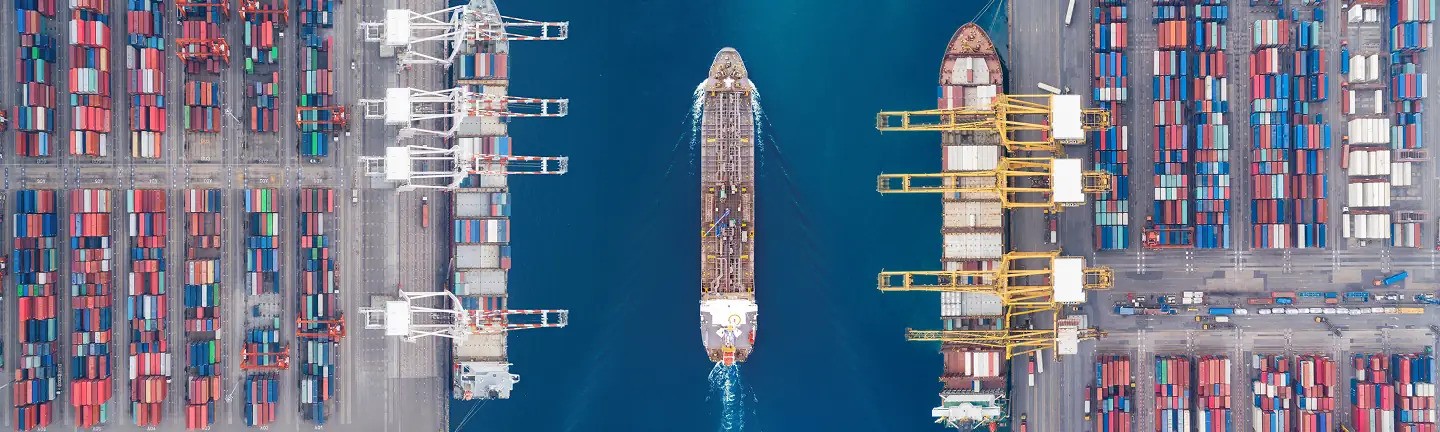
AI in supply chain management helps forecast demand for spare parts by analyzing usage trends, failure rates, and fleet activity. This reduces excess inventory while minimizing the risk of part shortages. Smarter inventory planning is especially valuable amid ongoing supply chain disruptions and extended aircraft lifespans.

What Is Predictive Maintenance, and Why Is It Important in Aviation?
Predictive maintenance is a data-driven approach to maintenance that monitors aircraft systems to predict when components will require service. Unlike preventative maintenance, which is based on fixed intervals, predictive maintenance uses real-time data and analytics to determine the actual condition of the equipment. This distinction is critical in aviation, where unnecessary maintenance increases cost and missed failures increase risk.
AI-driven predictive maintenance uses machine learning to analyze aircraft sensor data, operational history, and environmental conditions. By identifying patterns associated with early-stage failures, predictive maintenance solutions can forecast issues before they become safety concerns. In aviation, this improves reliability, enhances safety margins, reduces unscheduled maintenance events, and supports more cost-effective maintenance planning.
How Will AI Change Aircraft Maintenance Programs in the Future?
As AI capabilities mature, aircraft maintenance programs will continue to shift toward proactive, condition-based strategies. Instead of reacting to faults or adhering strictly to time-based intervals, maintenance organizations will increasingly rely on predictive insights to guide decision-making. This evolution is especially important as operators look to extend aircraft service life amid supply chain constraints.
How Will AI Improve Maintenance Planning and Reliability?
AI will enable maintenance programs to dynamically adjust schedules based on the aircraft's actual condition, rather than relying on assumptions. By continuously evaluating system health, AI helps maintenance teams address issues at the optimal time. This improves fleet reliability while reducing unnecessary component removals and maintenance-induced failures.
How Will AI Affect Downtime and Unscheduled Maintenance Events?
Predictive analytics significantly reduces unplanned maintenance by identifying issues early. When maintenance is planned proactively, aircraft spend less time grounded unexpectedly. Over time, this leads to higher dispatch reliability, better on-time performance, and improved operational resilience.
What Role Will Augmented Reality and Virtual Reality Play?
Augmented reality (AR) and virtual reality (VR) are emerging as powerful complements to AI in aviation maintenance. While AI processes data and generates insights, AR and VR deliver those insights directly to technicians in intuitive, visual ways. Together, these technologies enhance training, task execution, and situational awareness.
What Is Augmented Reality Used for in Aircraft Maintenance?
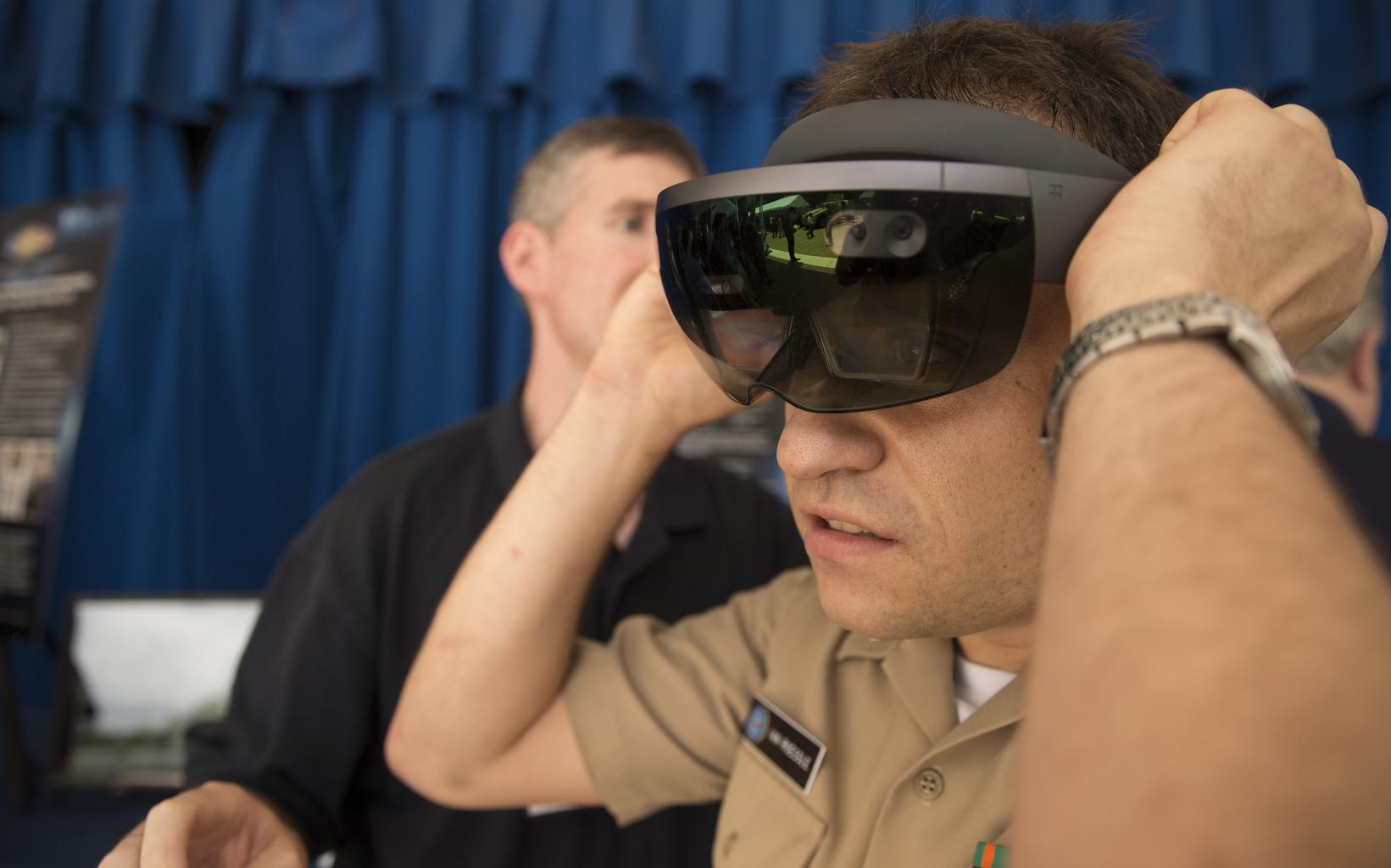
Augmented reality overlays digital information onto physical aircraft components in real time. Technicians can view step-by-step instructions, torque values, or system diagrams while performing tasks. Augmented reality in aviation maintenance reduces errors and supports faster task completion, especially for complex procedures.
How Does Augmented Reality Work with AI-Driven Data?
AI provides the intelligence behind AR guidance by identifying the correct procedures, parts, or inspection points. When combined, AI and augmented reality deliver context-aware support that adapts to the specific aircraft and task. This integration improves accuracy and standardization across maintenance operations.
What Is the Difference Between Augmented Reality and Virtual Reality in Aviation?
Augmented reality enhances real-world environments, while virtual reality creates fully immersive digital simulations. Virtual reality in aviation is commonly used for training, allowing technicians to practice procedures without access to a live aircraft. Both technologies support skill development and consistency, but they serve different roles in aviation maintenance workflows.
How Is Additive Manufacturing Connected to AI in Aviation?
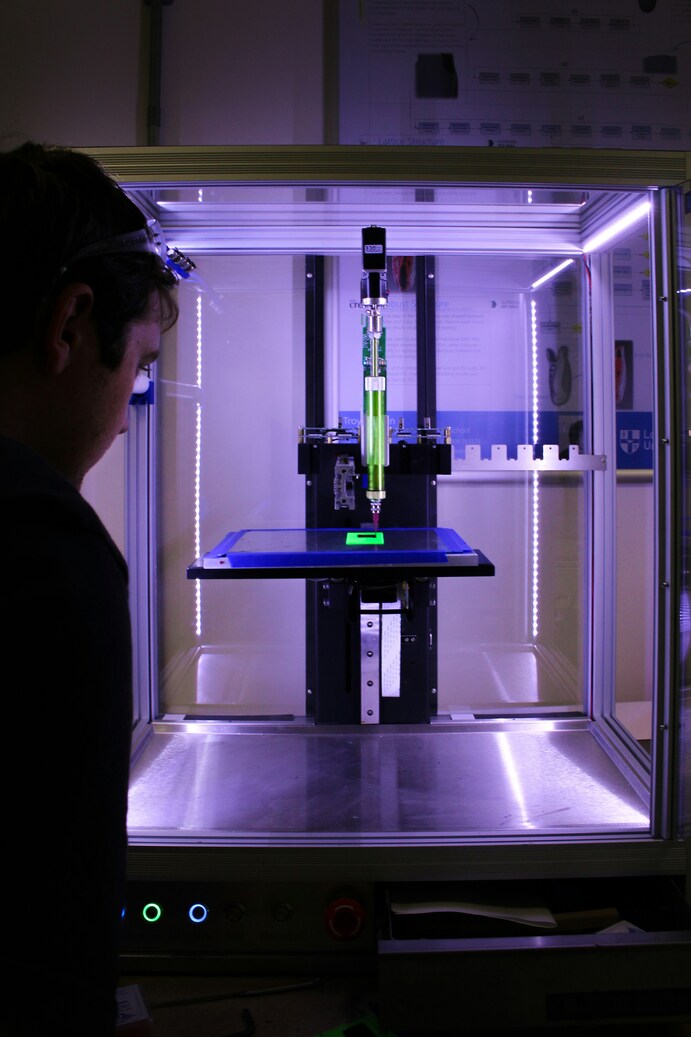
Additive manufacturing, commonly known as 3D printing, enables on-demand production of aircraft parts and tooling. In aviation maintenance, additive manufacturing supports faster part availability, especially for aging fleets and low-volume components. AI enhances additive manufacturing processes by optimizing part design, material usage, and production parameters.
AI-driven demand forecasting helps determine which parts are best suited for additive manufacturing, while machine learning improves quality control by monitoring print performance. The advantages of additive manufacturing include reduced lead times and increased supply chain flexibility. However, some challenges remain, including certification requirements, material limitations, and consistency standards in aviation environments.
Will AI Replace Aircraft Maintenance Technicians?
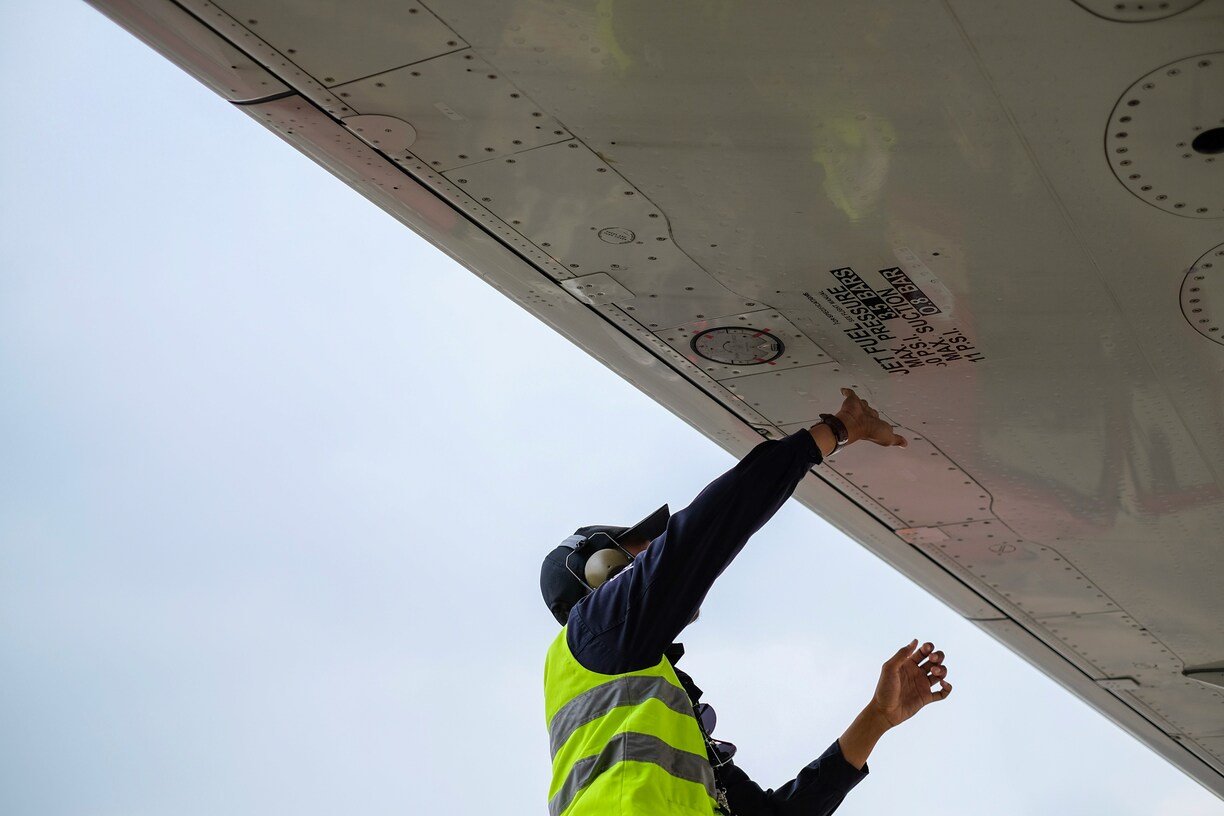
Concerns about automation replacing jobs are common, but AI is not positioned to replace aircraft maintenance technicians. Instead, artificial intelligence augments human expertise by handling data-heavy and repetitive tasks. This allows technicians to focus on higher-value responsibilities that require judgment and experience.
How Will AI Impact Jobs for Aircraft Maintenance Technicians?
AI will change how technicians work, not whether they work. Roles will increasingly emphasize diagnostics, oversight, and interpretation of AI-generated insights. This shift supports more engaging, skill-intensive work while improving overall maintenance quality.
Why Do We Still Need Human Judgment in Aviation Maintenance?
Aviation maintenance is highly regulated and safety-critical. Human judgment is crucial for assessing physical defects, interpreting unusual conditions, and making final decisions regarding airworthiness. AI supports these decisions but does not replace accountability or expertise.
What Are the Benefits and Challenges of AI in Aviation Maintenance?
AI offers significant advantages, but it also introduces new challenges that aviation organizations must address thoughtfully.
Advantages and Disadvantages of Artificial Intelligence
- Increased Safety Through Early Fault Detection
AI identifies potential failures earlier, reducing the risk of in-service events. - Improved Efficiency and Reduced Delays
Automation and predictive insights streamline maintenance workflows, minimizing aircraft downtime. - Smarter Inventory and Supply Chain Planning
AI in supply chain management improves parts availability and reduces excess stock. - Regulatory and Certification Challenges
AI systems must meet strict aviation safety and compliance standards before widespread adoption. - Dependence on Data Accuracy and System Integration
AI’s effectiveness depends on high-quality data and seamless integration with existing systems.
Is Artificial Intelligence the Future of Aviation Maintenance?
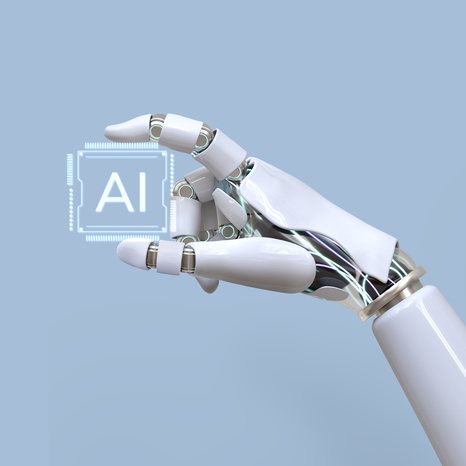
Artificial intelligence is not a temporary trend – it is a foundational technology shaping the future of aviation maintenance. As AI trends evolve, integration with automation, robotics, digital twins, and predictive maintenance technology will deepen. These advancements support safer, more resilient, and more sustainable aviation operations across the industry.
The Bottom Line
AI, predictive maintenance, augmented reality, automation, and additive manufacturing are transforming aircraft maintenance and support throughout their lifecycle. Together, these technologies are improving safety, reliability, and efficiency across aviation maintenance and MRO operations.
Pilot John International® (PJi®) supports this evolving landscape by providing a wide range of ground support equipment (GSE), avionics test equipment, aircraft parts, and tooling designed to meet the demands of modern aviation maintenance. We also offer comprehensive GSE repair, servicing, and overhauls from our state-of-the-art service center, along with nationwide mobile GSE service and support. To learn more or get expert guidance on selecting the right equipment for your operations, contact our aviation specialists by phone, email, or live chat.