





The Ultimate Guide to Aircraft Grease
Key Takeaways
- Aircraft grease reduces friction, prevents wear, and seals critical components against moisture, dirt, and contamination – its semi-solid consistency keeps it in place under high loads and extreme conditions where oil would leak or be displaced.
- Grease is composed of three elements: base oil (80–90%, providing lubrication), a thickening agent (10% to 15%, giving it a semi-solid consistency), and additives (5% to 10%, enhancing water resistance, oxidation resistance, and temperature stability).
- Synthetic greases outperform petroleum-based options in extreme temperatures, resist oxidation longer, extend service intervals, and are often more environmentally friendly – making them the preferred choice for high-performance and demanding applications.
- Using the wrong grease – or mixing incompatible grease types – can degrade performance, cause mechanical failure, and compromise safety. When switching grease types, old grease must be fully removed or purged before new grease is applied.
- Proper application matters as much as product selection. Both over-greasing and under-greasing cause problems – over-greasing attracts contaminants, while under-greasing accelerates wear. Always follow the aircraft maintenance manual and manufacturer recommendations.
- PJi stocks a comprehensive selection of aviation greases from AeroShell, Castrol, Corrosion Block, and Royco, with specialists available to help match the right grease to your specific application, temperature range, and load requirements.
Aircraft grease is a critical component in the maintenance and operation of aviation systems, ensuring that essential mechanical parts continue to perform efficiently and reliably. Grease plays a key role in reducing friction, preventing wear, and protecting critical aircraft components from contamination, moisture, and corrosion.
The unique characteristics of aircraft grease allow it to perform under extreme conditions, such as high altitudes, extreme temperatures, and heavy mechanical loads. Understanding the different types of aviation grease, their components, and how they contribute to an aircraft's overall performance is crucial for aircraft operators, maintenance crews, and pilots.
In this article, we’ll explore the various aspects of aircraft grease, including its composition, types, performance benefits, and factors to consider when selecting the right aviation grease for different applications.
What Is Aircraft Grease, and Why Is It Essential?

Aircraft grease is a specialized lubricant formulated to reduce friction and wear in aircraft mechanical systems. It is essential for the smooth operation of various components, such as landing gear, control surfaces, and wheel bearings.
Unlike oils, grease has a semi-solid consistency that allows it to remain in place under extreme conditions, preventing leakage and providing long-lasting lubrication. Grease forms a protective barrier against moisture, dirt, and contaminants, which can degrade the performance of critical aircraft systems.
Additionally, the proper use of aviation grease reduces the frequency of component replacements and minimizes maintenance downtime, helping extend component lifespan and ensuring the aircraft operates efficiently and safely.
The primary function of aircraft grease is to reduce friction, thereby minimizing wear on moving parts. It is crucial for ensuring smooth operation and preventing overheating, which could otherwise cause mechanical failures.
Grease also acts as a sealant, preventing contaminants from entering and protecting against corrosion and moisture ingress, particularly in high-stress and high-load areas of the aircraft. Overall, the use of high-quality aviation grease enhances safety, performance, and reliability, making it an indispensable element in aircraft maintenance.
What Are the Main Components of Aircraft Grease?
Aircraft grease consists of three primary components: base oil, thickening agents, and additives. The base oil makes up the majority of the grease (80% to 90%) and provides the lubrication properties needed to reduce friction and prevent wear.
The thickening agent, which typically accounts for 10% to 15% of the grease, is what gives the grease its semi-solid consistency, allowing it to remain in place even under pressure. The most common thickeners are soap-based, such as lithium, calcium, or sodium, although non-soap-based thickeners, like silica gel or clay, are also used for specific applications.
The remaining 5% to 10% of the grease consists of additives that enhance its performance characteristics. These additives can improve properties such as water resistance, oxidation resistance, and temperature stability. By carefully balancing these components, manufacturers create greases that meet the unique needs of different aircraft systems, ensuring optimal performance under varying conditions.
What Are the Different Types of Aircraft Grease?
There are several different types of aircraft grease, each formulated for specific applications based on temperature range, load-bearing capabilities, and environmental factors.

The main categories of aircraft grease are petroleum-based and synthetic. Petroleum-based greases are derived from crude oil and are commonly used for general-purpose applications, while synthetic greases offer superior performance, particularly in extreme temperatures and high-performance applications.
Grease can also be categorized based on the type of thickening agent used. Soap-based greases, such as those containing lithium, calcium, or sodium soaps, are the most common and provide good all-around performance.
Non-soap greases, such as those containing silica gel or clay as thickeners, are often used for specialized applications that require better resistance to high temperatures or water. Molybdenum disulfide greases, such as Royco 81MS, are also used in high-load, high-stress applications, such as landing gear components, where superior wear protection is required.
What Are the Advantages of Using Synthetic Grease Over Petroleum-Based Options?
Synthetic greases offer several significant advantages over traditional petroleum-based greases. One of the primary benefits is their enhanced performance in extreme temperatures, making them ideal for use in both high-heat and low-temperature environments. Synthetic greases, such as Castrol Braycote 444, typically offer better resistance to oxidation and degradation, increasing service life and reducing maintenance frequency. This translates into cost savings for operators, as they can reduce the number of grease applications and extend the service intervals between maintenance checks.
In addition to superior performance, synthetic greases are often more environmentally friendly. Many synthetic greases are formulated using biodegradable materials that minimize the ecological impact of spills, a key concern in aviation, where grease contamination can be harmful. Overall, synthetic greases offer better long-term value through improved performance, reduced maintenance requirements, and environmental benefits.
How Does the Thickening Agent Affect Aircraft Grease?

The thickening agent plays a crucial role in determining the consistency and performance of aircraft grease. It holds the base oil in a lattice structure, much like a sponge, allowing it to release oil under pressure for lubrication when needed. The type and amount of thickener used in the grease determine whether it is soft, semi-fluid, or hard, thereby influencing its performance in various conditions.
For example, lithium-complex thickeners are commonly used in aviation greases, such as AeroShell Grease 33, for their ability to handle high temperatures and provide excellent water resistance. Greases with stronger thickeners are better suited for high-performance applications, such as in landing gear, where the grease must resist extreme pressure and temperature fluctuations. The thickener also determines how well the grease retains its consistency during use, ensuring stable lubrication over time.
What Are Multi-Purpose Aircraft Greases, and Why Are They Beneficial?
Multi-purpose greases, such as Corrosion Block grease, are versatile lubricants designed to meet the needs of multiple aircraft systems, reducing the need for multiple grease types for different applications. These greases are formulated to perform well under a broad range of temperatures, loads, and environmental conditions, making them ideal for general aircraft maintenance. The benefit of multi-purpose greases is that they simplify maintenance procedures by reducing inventory costs and ensuring consistent lubrication across various components.
While multi-purpose greases offer convenience, they may not be suitable for all specialized applications. For high-performance or extreme condition requirements, dedicated greases formulated for specific tasks, such as high-temperature or water-resistant greases, may still be needed. Despite this, multi-purpose greases are a popular choice for many routine maintenance tasks due to their versatility and efficiency.
How Does Aviation Grease Differ from Lubricating Oil?
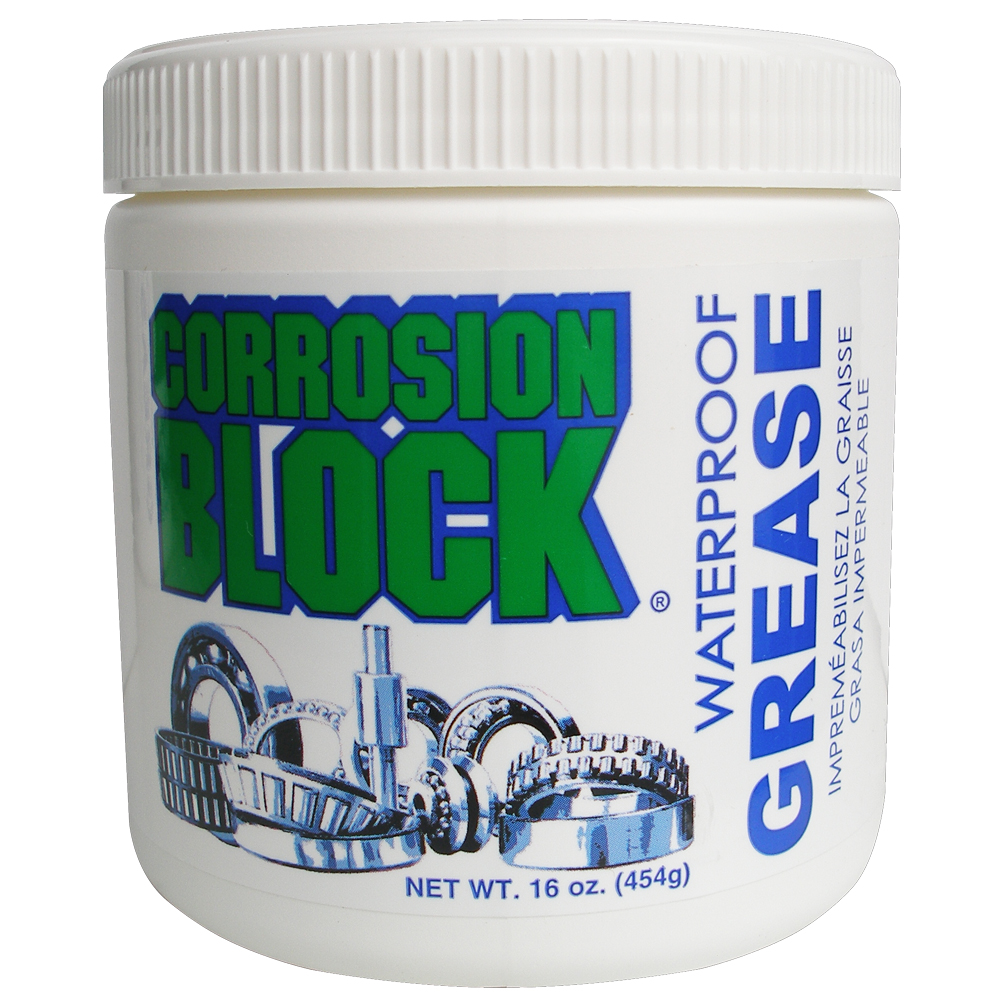
Unlike lubricating oil, which is typically a fluid, aviation grease has a semi-solid consistency, consisting of a thickened oil with a lattice-like structure. Grease stays in place better than oil, making it ideal for components that experience high forces or operate in vertical orientations, such as bearings and landing gear.
While both grease and oil reduce friction and provide a lubrication film, grease has the added advantage of being less likely to leak or flow away from the lubricated surface due to centrifugal forces or gravity.
Additionally, grease provides a seal against contaminants like moisture and dirt, whereas oil can be more easily displaced. This makes grease an effective choice for applications where long-lasting lubrication and protection from environmental elements are essential.
How Do Temperature Extremes Impact Aircraft Grease Performance?
Temperature extremes significantly impact the performance of aircraft grease. At low temperatures, grease can become too thick, reducing its ability to flow and lubricate effectively, potentially leading to increased friction and wear. On the other hand, at high temperatures, certain greases may lose viscosity, becoming too thin and failing to provide adequate lubrication, leading to overheating and component damage.
Aviation greases are formulated to perform reliably over a wide temperature range, ensuring consistent protection under both extreme cold and heat. The use of synthetic oils and advanced thickening agents helps maintain the grease's performance, preventing it from breaking down or becoming too viscous in harsh conditions.
How Should Aircraft Grease Be Applied During Maintenance?
Grease is typically applied during aircraft maintenance using specialized grease guns or fittings that provide precise lubrication for critical components such as bearings, landing gear, and control linkages. It is essential to apply the correct amount of grease, as both over-greasing and under-greasing can lead to operational issues. Over-greasing can cause excess lubricant buildup, which may attract dirt or debris, while under-greasing can lead to insufficient lubrication and increased wear.
Many aircraft maintenance manuals recommend purging when changing grease types or brands. This involves injecting new grease into a component until the old grease is expelled, leaving only the new grease. By following the manufacturer's grease application recommendations, maintenance crews can ensure the proper performance and longevity of the aircraft's components.
Can Different Types of Aircraft Grease Be Mixed?
It is generally not recommended to mix different types of aircraft grease unless the manufacturer specifically allows it. Mixing greases with different thickening agents or additives can cause incompatibility, reducing the grease's overall performance. The combination may fail to maintain the necessary consistency, lubrication properties, or protective functions, thereby compromising aircraft safety and efficiency.
If it is necessary to switch from one type of grease to another, all old grease must be removed from the components before the new grease is applied. In some cases, the purging method can be used to ensure the old grease is fully replaced.
Why Is It Important to Use the Correct Type of Aircraft Grease?

Using the correct type of aviation grease is critical to ensuring the optimal performance and safety of aircraft systems. Each type of grease is formulated to meet specific operational conditions, such as temperature range, load-bearing capacity, and exposure to environmental factors. Using the wrong grease can lead to mechanical failures, premature wear, and safety hazards, which can be costly and dangerous.
Choosing the right grease for each application ensures that components are properly lubricated, reducing the risk of wear, corrosion, and contamination. It also helps maintain compliance with industry regulations and extends the service life of aircraft systems.
What Factors Should Be Considered When Selecting Grease for Aircraft Applications?
When selecting grease for aircraft applications, several factors must be considered, including operating temperature ranges, load-bearing capacity, environmental conditions, and compatibility with the aircraft's materials. The specific application, such as lubrication or corrosion prevention, also plays a role in determining the appropriate grease. It is crucial to consult the aircraft's maintenance manual and manufacturer recommendations to ensure the selected grease meets the required performance standards.
Other factors, such as re-lubrication intervals and performance under exceptional conditions, should also be considered to ensure long-lasting protection and efficient operation. Working with a trusted supplier and following industry standards will help ensure that the right grease is selected for each application.
The Bottom Line

Aircraft grease is essential to ensuring the safe and efficient operation of numerous critical components. Its ability to reduce friction, prevent corrosion, and handle extreme operating conditions makes it an indispensable part of aircraft maintenance. By selecting the correct grease for each application, aircraft operators can extend the life of their components, reduce maintenance costs, and improve overall performance.
Pilot John International® (PJi®) is your go-to source for premium-quality aircraft grease from trusted manufacturers, including AeroShell, Castrol, Corrosion Block, and Royco. Our team of knowledgeable aviation specialists is here to help you select the perfect grease for your aircraft's needs. Contact us by phone, email, or chat today for expert advice and exceptional service!