





Ultimate Guide to MIL-SPEC Requirements for Aviation Lubricants
Key Takeaways
- MIL-SPEC standards, developed by the U.S. Department of Defense and widely adopted by civil aviation, define the chemical composition, performance requirements, and testing criteria that aviation lubricants must meet to ensure reliable operation under extreme conditions.
- The three primary hydraulic fluid MIL-SPECs – MIL-PRF-5606 (mineral-based), MIL-PRF-83282 (synthetic, fire-resistant), and MIL-PRF-87257 (low-temperature synthetic) – each suit different aircraft types, system configurations, and operating environments.
- Turbine engine oils must meet MIL-PRF-23699 or MIL-PRF-7808, while piston engine oils follow MIL-L-22851/SAE J1899 – specifications that govern thermal stability, oxidation resistance, corrosion protection, and cleanliness requirements specific to each engine type.
- To earn MIL-SPEC approval, lubricants must qualify through rigorous laboratory and endurance testing and be added to the Department of Defense's Qualified Products List (QPL) – the only designation that guarantees consistent, batch-to-batch compliance.
- OEM specifications from manufacturers such as Boeing, Airbus, and Lockheed Martin often align with MIL-SPECs but may include additional requirements; maintenance personnel should verify both OEM approval and MIL-SPEC compliance before using any lubricant, and always consult the Aircraft Maintenance Manual for approved fluid types.
- PJi supplies a comprehensive range of MIL-SPEC and OEM-approved lubricants from AeroShell, Eastman, Castrol, Phillips 66, Royco, and Corrosion Technologies, backed by an ISO 9001:2015-certified quality system for full traceability and compliance support.
In aviation, reliability is measured in precision – and that extends to every fluid running through an aircraft. From engine oil to hydraulic fluid and grease, aviation lubricants are essential to the performance, safety, and longevity of critical systems. But not all lubricants are created equal. To meet the demands of high-stress, high-temperature flight environments, these products must conform to strict MIL-SPEC (Military Specification) standards that define their chemical composition, performance, and testing requirements.
Developed by the U.S. Department of Defense and widely adopted by the civil aviation industry, MIL-SPEC standards ensure that aircraft lubricants perform reliably under the most demanding conditions. Understanding these specifications enables maintenance teams and operators to select the appropriate fluids for every application, ensuring aircraft operate safely and efficiently.
What Are MIL-SPEC Standards and Why Do They Matter in Aviation?

MIL-SPEC standards establish uniform requirements for materials, manufacturing, and testing to ensure performance consistency across military and civilian equipment. In aviation, they serve as a trusted benchmark for engine oils, hydraulic fluids, and greases, verifying that each formulation meets rigorous quality and compatibility criteria.
Every certified lubricant is tested for viscosity, oxidation stability, corrosion resistance, and seal compatibility to ensure reliable function in extreme conditions. Because aircraft systems often operate at high pressures and wide temperature ranges, compliance with these standards helps prevent leaks, premature wear, and mechanical failure. Simply put, using MIL-SPEC-approved lubricants ensures that every drop meets the highest standard of performance and safety.
Which MIL-SPEC Standards Govern Aviation Lubricants?
The aviation industry relies on a variety of MIL-SPEC standards, each tailored to a specific type of lubricant or operating condition. From hydraulic systems to aviation engine oils and specialty greases, these standards ensure that fluids are compatible with aircraft materials and can withstand the harsh environments to which they are exposed.
Below are the most common MIL-SPEC designations you’ll encounter in aircraft maintenance operations.
Hydraulic Fluids
Aircraft hydraulic systems control landing gear, brakes, and flight surfaces – making fluid quality critical to flight safety.
- MIL-PRF-5606 – A mineral-based hydraulic fluid known for its excellent low-temperature flow characteristics. Commonly used in general aviation and older aircraft.
- MIL-PRF-83282 – A synthetic, fire-resistant fluid with higher operating temperature tolerance and improved safety characteristics.
- MIL-PRF-87257 – A low-temperature, synthetic alternative compatible with MIL-PRF-83282 systems, offering better performance in cold climates.
Each of these specifications defines performance parameters for viscosity, flash point, oxidation, and corrosion resistance, helping ensure that hydraulic systems operate smoothly, leak-free, and reliably.

Turbine Engine Oils
Jet engines require lubricants that can maintain film strength and chemical stability at extremely high temperatures.
- MIL-PRF-23699 – The most widely used specification for modern turbine engines, offering superior thermal and oxidative stability.
- MIL-PRF-7808 – Designed for lower-temperature applications such as auxiliary power units (APUs) and certain turboprop engines.
Turbine oils that meet these specifications – such as Eastman Turbo Oil 2380 and AeroShell Turbine Oil 500 – protect against coking, corrosion, and metal wear while maintaining clean, efficient engine operation.

Piston Engine Oils
For piston-powered aircraft, engine oil must not only lubricate but also neutralize acids and disperse combustion byproducts.
- MIL-L-22851 / SAE J1899 – Defines the standard for ashless dispersant oils that keep engines clean and reduce lead fouling from avgas combustion.
- These oils maintain viscosity under thermal stress and provide corrosion protection for piston aircraft engines.
Popular examples include AeroShell W100, Phillips 66 X/C 20W-50, and other FAA-approved lubricants that meet or exceed MIL-L-22851 performance standards.
Greases and Specialty Lubricants

Aircraft greases are designed for applications where friction reduction and corrosion protection are essential – such as bearings, hinges, actuators, and linkages.
- MIL-PRF-81322 – A general-purpose synthetic grease suitable for most airframe and wheel-bearing applications.
- MIL-PRF-23827 – A low-temperature grease for cold-weather or high-altitude operations.
- MIL-G-21164 – A molybdenum disulfide-based grease ideal for sliding components under heavy load, such as landing gear assemblies.
- MIL-PRF-81309H – A corrosion-preventive compound that protects aircraft components and GSE surfaces from moisture, salt, and environmental exposure.
Selecting the correct grease or protective compound for each system ensures long-lasting protection and dependable performance under variable loads and environmental conditions. Products such as AeroShell Grease 22, AeroShell Grease 7, and CorrosionX Aviation from Corrosion Technologies meet these MIL-SPEC standards and are trusted for reliable aircraft and GSE maintenance.
How Does MIL-SPEC Testing Ensure Lubricant Quality?
To earn MIL-SPEC approval, every lubricant undergoes an extensive qualification process that includes laboratory analysis, material compatibility tests, and endurance trials under simulated flight conditions. These evaluations confirm performance under temperature extremes, high pressures, and oxidative stress – factors that are routine in aviation environments.
Once a product meets all specifications, it is added to the Department of Defense's Qualified Products List (QPL). Only QPL-listed lubricants are recognized as fully compliant, providing maintenance technicians with assurance that each batch will deliver consistent quality, regardless of the manufacturer or production date. This rigorous testing ensures that aircraft lubricants perform predictably and safely throughout their service life.
How Do MIL-SPEC Standards Compare to OEM and Commercial Specifications?
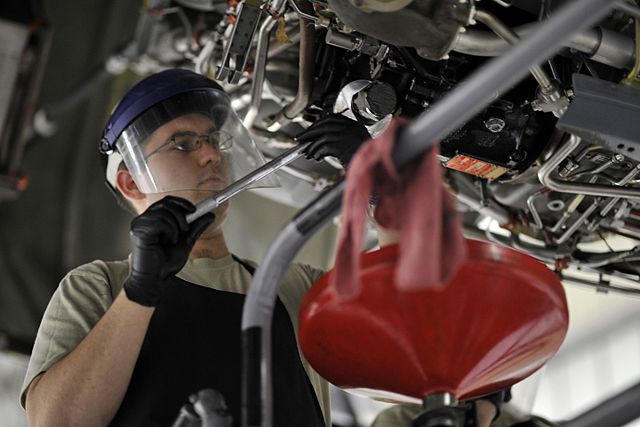
While MIL-SPECs are universal across defense and civil aviation, many aircraft manufacturers have developed their own standards, such as Boeing's BMS, Airbus' NSA, and Lockheed Martin's LAC specifications. These OEM standards often align with MIL-SPECs but may include additional requirements for material compatibility, thermal stability, or system-specific performance.
Commercial lubricants may be labeled as “meets or exceeds MIL-PRF specifications” even without formal QPL certification. However, it’s essential for maintenance personnel to verify that the fluid is both OEM-approved and MIL-SPEC-compliant to ensure system compatibility and maintain regulatory compliance.
Using certified aviation lubricants helps prevent costly issues such as seal degradation, reduced lubrication performance, or contamination that could affect critical systems.
How Can Technicians Identify the Correct MIL-SPEC Lubricant?
Selecting the proper lubricant starts with consulting your Aircraft Maintenance Manual (AMM) or the component manufacturer’s service bulletin, which specifies approved fluid types. Each MIL-SPEC fluid has a unique chemical formulation designed for a particular application – so substitution or mixing can cause serious problems.
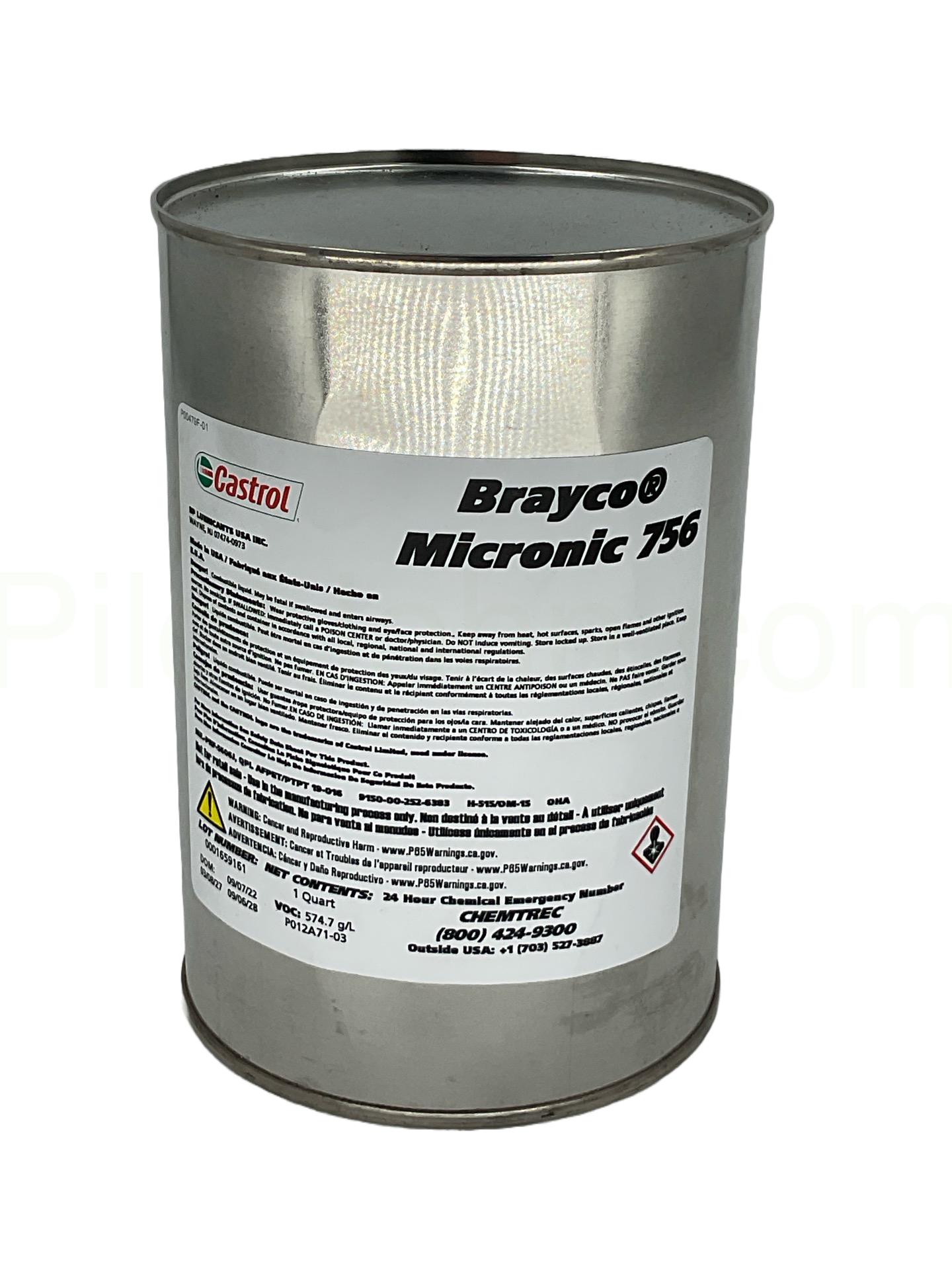
Technicians should always verify the MIL-SPEC designation, batch number, and QPL certification on product labeling. Avoid relying on color or appearance to identify fluids, as variations in these characteristics can occur across manufacturers. Proper labeling, segregation of fluid types, and sealed storage containers help prevent cross-contamination and maintain system integrity.
For optimal storage, lubricants should be stored in a clean, temperature-controlled environment, away from moisture and direct sunlight.
Where Can You Source Certified MIL-SPEC Aviation Lubricants?

For reliable, traceable, and certified aviation lubricants, PJi® is your trusted source. PJi supplies a comprehensive range of MIL-SPEC and OEM-approved lubricants – including hydraulic fluids, turbine and piston engine oils, aviation greases, and corrosion-preventive compounds – from leading brands such as Eastman, Castrol, Phillips 66, Royco, AeroShell, and Corrosion Technologies.
PJi’s ISO 9001:2015-certified quality system ensures full traceability, helping maintenance teams meet strict compliance and safety requirements. Beyond lubricants, PJi offers equipment rentals, trade-ins, GSE maintenance and repair services, and nationwide mobile GSE support to keep your ground operations running efficiently.
Whether you’re performing a scheduled inspection or outfitting your maintenance facility, PJi’s aviation specialists can help you find the right fluid solution for every aircraft system.
The Bottom Line

MIL-SPEC standards set the benchmark for safety, reliability, and performance in aviation lubrication. By defining strict chemical and performance criteria, these specifications ensure that every oil, hydraulic fluid, and grease delivers consistent protection across flight operations and maintenance cycles.
Using certified MIL-SPEC aviation lubricants helps safeguard aircraft systems, extend component life, and support compliance with FAA and OEM requirements. For aviation professionals who demand dependable performance, PJi provides the certified lubricants and expert support needed to keep every aircraft mission-ready.
Need help selecting the right MIL-SPEC lubricant for your operation? Contact PJi’s aviation specialists today by phone, email, or live chat for expert assistance.