What to Consider When Investing in Aircraft Ground Support Equipment
Key Takeaways
- Fleet size and composition are the starting point for any GSE investment – larger or more diverse fleets require more specialized and durable equipment, while smaller fleets may benefit from versatile multi-purpose units that handle a wider range of aircraft types.
- Used and reconditioned GSE can be a cost-effective alternative to new equipment, but new GSE offers the latest technology, manufacturer support, and longer service life – the right choice depends on budget, expected usage frequency, and required reliability.
- Equipment compatibility with existing aircraft systems and servicing infrastructure is essential; incompatible GSE adds cost, creates delays, and introduces unnecessary safety risk – particularly for fueling and hydraulic service equipment that must interface directly with aircraft.
- Operating environment directly affects GSE selection: coastal operations require corrosion-resistant materials, cold climates demand weatherproofed components, and high-cycle facilities need equipment rated for continuous heavy use.
- A single AOG event from inadequate or failed GSE can trigger cascading delays, cancellation fees, and passenger rebooking costs across an entire airline schedule – making the long-term efficiency and reliability of GSE a direct financial consideration, not just an operational one.
Investing in the right aircraft ground support equipment (GSE) is a crucial decision for any aviation business. The right GSE ensures smooth operations, minimizes delays, improves safety, and optimizes your maintenance team's efficiency.
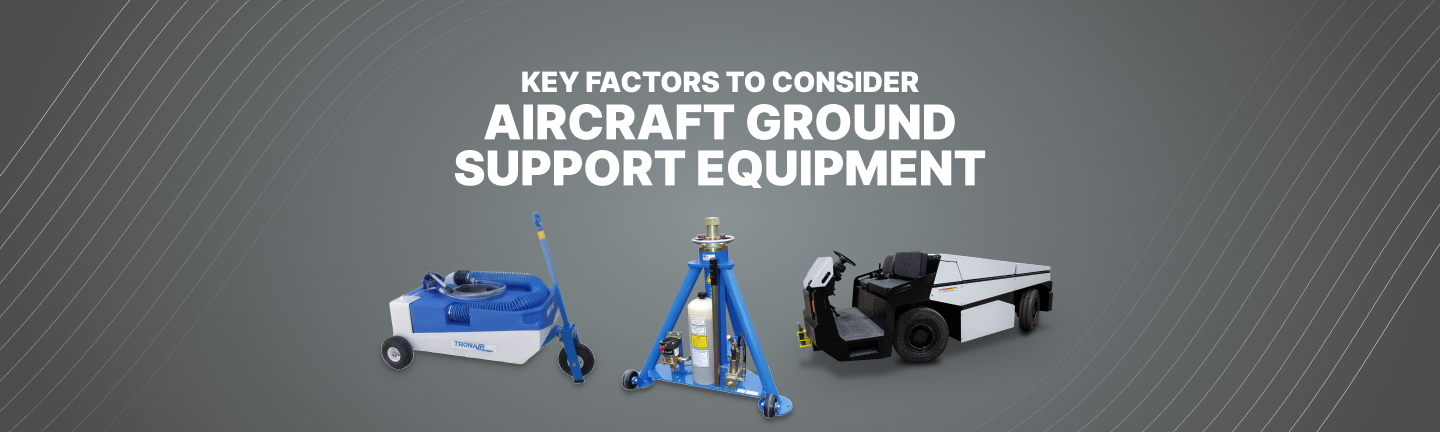
Ground support equipment ranges from aircraft tugs, maintenance stands, and jacks to more specialized equipment such as battery chargers, lavatory service carts, and fueling equipment. Given the considerable investment involved, it’s essential to consider various factors before making a purchase.
In this article, we will explore key factors to consider when purchasing GSE, including fleet size, equipment compatibility, environmental conditions, safety features, and more. Whether you’re updating existing equipment or building a new fleet, this guide will help you make an informed decision.
How Does the Size and Type of Your Fleet Impact GSE Investment Decisions?

When investing in GSE, one of the first factors to consider is the size and type of your fleet. A small fleet might require less specialized equipment, whereas a larger fleet may necessitate more diverse GSE to accommodate a range of aircraft sizes and maintenance requirements.
Larger fleets also tend to experience higher usage rates, meaning you'll need durable, long-lasting equipment that can handle continuous use. For smaller fleets, you might be able to optimize costs by selecting equipment that is more versatile and suitable for a wide range of aircraft types.
Fleets with a variety of aircraft makes and models may also need more specific ground support equipment, as certain types of GSE are designed to work only with specific aircraft or manufacturers.
What Are the Benefits of Used Ground Support Equipment Versus Purchasing New GSE?
Pre-owned GSE can be a cost-effective option if your budget is limited, especially for businesses looking to expand their fleet without making a significant upfront investment. Investing in reconditioned equipment that has been fully overhauled to like-new condition ensures its reliability and functionality, making it a practical choice for long-term use.
On the other hand, new GSE comes with the latest technology, better efficiency, and manufacturer support, resulting in fewer repairs and longer lifespans. Deciding between used and new GSE depends on your specific budget, needs, and the equipment’s expected usage frequency.
How Do Maintenance and Servicing Requirements Affect GSE Purchasing Decisions?

GSE maintenance and servicing requirements are critical considerations when choosing equipment for your operations. Equipment that requires frequent maintenance may cause unexpected downtime, which could impact your operations.
When investing in GSE, consider the ease of servicing, availability of parts, and warranty options. Additionally, check whether the manufacturer offers comprehensive after-sales support. Some GSE requires more frequent servicing depending on the type of equipment and its use, so you’ll want to choose equipment that fits your maintenance capabilities and operational hours.
What Role Does Equipment Compatibility Play When Investing in GSE?
When purchasing ground support equipment, ensuring compatibility with existing equipment and aircraft is essential. Equipment that integrates seamlessly with your aircraft systems reduces inefficiencies and minimizes the risk of damage.
For example, you want to ensure your fueling and servicing equipment can connect to different aircraft types in your fleet without requiring constant adjustments or additional accessories. Incompatibility can lead to unnecessary costs, delays, and safety risks, so always prioritize compatibility to enhance efficiency and streamline your operations.
How Do Environmental Conditions Influence GSE Choices and Durability?
The environmental conditions in which your GSE will be used can significantly impact the equipment’s durability and lifespan. If you’re operating in extreme weather conditions – such as freezing temperatures, high humidity, or salty coastal air – you’ll need to select equipment built to withstand these elements.
For example, equipment used in coastal areas may need additional corrosion-resistant features, while equipment used in colder climates may require weatherproofing to perform optimally. Assess your operating environment to choose equipment that functions effectively and maintains durability over time.

What Are Some Key Safety Features to Look for in Ground Support Equipment?
Safety is paramount when selecting aircraft ground support equipment, as the risk of injury or damage can be high if the equipment fails or is improperly used. Look for GSE with built-in safety features, such as automatic shutoffs, safety locks, emergency stops, and stability enhancements.
Anti-slip wheels, secure coupling mechanisms, and easy-to-use control panels also enhance user safety. Ensuring the equipment meets industry safety standards and has undergone rigorous testing can give you peace of mind that your team and aircraft are protected, on the ground and in the air.
How Can Investing in the Right GSE Improve Overall Operational Efficiency?
Investing in high-quality, suitable GSE can improve overall operational efficiency by reducing delays and maintenance time. With the right equipment, you can reduce aircraft servicing and turnaround times, making your operations more streamlined and cost-effective. Additionally, using the correct GSE for specific tasks reduces the likelihood of aircraft damage, thereby minimizing repair costs and downtime.
A damaged aircraft, or AOG (Aircraft on Ground), can be catastrophic for airline schedules. If even one aircraft requires unscheduled maintenance, leading to a canceled or delayed flight, it can cause a ripple effect throughout the entire airline, costing millions of dollars in cancellation fees, lodging, and alternate transportation. Over time, the right equipment pays for itself through increased efficiency, fewer maintenance issues, and improved aircraft uptime.
What Other Factors Should You Consider When Selecting Aircraft Ground Support Equipment?
Beyond cost, compatibility, and safety, there are a few additional factors you should consider when investing in GSE. These include the manufacturer’s reputation, available warranties, and the equipment’s ease of use.
Opt for equipment that offers staff training options, and check for any upgrades or expansions that might be needed as your fleet grows. Consider the equipment's resale value as well. Some ground support equipment holds its value better than others and can be resold or traded in when it’s time for an upgrade.
The Bottom Line
Investing in the right aircraft ground support equipment is critical to ensuring smooth, safe, and efficient operations. Key factors to consider include your fleet size, environmental conditions, aircraft compatibility, and the specific maintenance needs of each piece of equipment. Safety features, durability, and long-term support also play a significant role in the decision-making process.
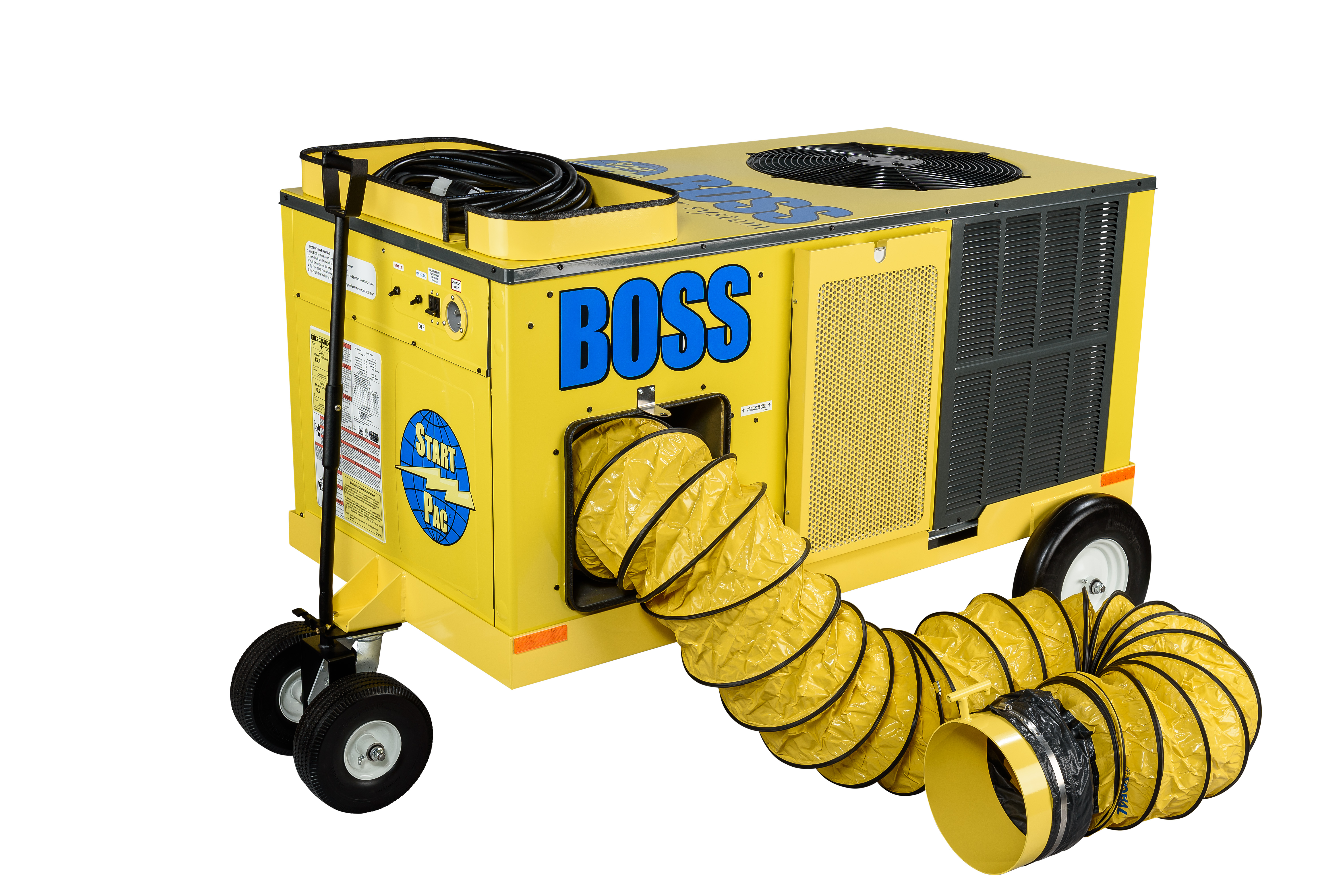
Pilot John International® (PJi®) is your trusted source for reliable, high-quality aircraft ground support equipment from the top brands in the industry, including Tronair, KUNZ, Start Pac, and Sesame Technologies. In addition, our dedicated GSE service center provides expert repairs, inspections, and maintenance support for a wide range of ground support equipment.
Our team of aviation specialists is ready to assist you in selecting the right aircraft GSE for your operations, ensuring you get the best value, performance, and safety. Contact us today by phone, email, or chat!