






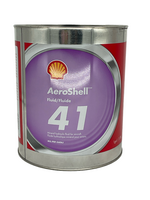
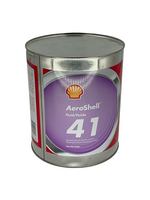
AeroShell 550043664 – Fluid 41 Aircraft Hydraulic Fluid, 203-Liter Drum

Create yours now for free.

Need a Quote?
AeroShell Fluid 41 is a mineral hydraulic oil manufactured to an exceptionally high level of cleanliness and possesses enhanced fluid properties. AeroShell Fluid 41 contains additives that provide good low-temperature fluidity, anti-wear, oxidation-corrosion inhibition, and shear stability. Additionally, metal deactivators and foam inhibitors are incorporated into this high viscosity index fluid to enhance performance in hydraulic applications. AeroShell Fluid 41 is capable of operating over a wide range of temperatures. AeroShell Fluid 41 is dyed red.
AeroShell Fluid 41 is designed as a hydraulic fluid for all modern aircraft applications that require a mineral-based hydraulic fluid. AeroShell Fluid 41 is particularly recommended where the use of a "superclean" fluid can contribute to improvements in component reliability and can be used in aircraft systems operating unpressurized between -65°F and 194°F (-54°C to 90°C) and pressurized between -65°F and 275°F (-54°C to 135°C). AeroShell Fluid 41 should be used in systems with synthetic rubber components and must not be used in systems incorporating natural rubber.
AeroShell Fluid 41 is compatible with AeroShell Fluids 4, 31, 61, and LGF. Chlorinated solvents should not be used for cleaning hydraulic components that use AeroShell Fluid 41. The residual solvent contaminates the hydraulic fluid, potentially leading to corrosion. Due to its properties, it is also used in several industrial applications.
| General Information | |
|---|---|
| Part # | 550043664 |
| Manufacturer | AeroShell |
| Shipping Information | |
|---|---|
| Schedule B | 3819000000 |
| ECCN | EAR99 |
| Hazmat/Dangerous Goods | Yes |
Customers also viewed
AIRCRAFT COMPATIBILITY
| Compatible Aircraft* |
|---|
PRODUCT REVIEWS
This item does not have any reviews yet.
QUESTIONS & ANSWERS
Yes. AeroShell Fluid 41 maintains excellent fluidity down to -65°F (-54°C), supporting reliable system operation during cold-weather starts and operations. This makes it a strong choice for aircraft frequently exposed to low-temperature environments.
The fluid contains specialized inhibitors that help prevent oxidation, rust formation, varnish build-up, and component degradation. These protective qualities help extend the life of hydraulic systems, reduce maintenance frequency, and support more reliable operation.
AeroShell Fluid 41 is generally compatible with modern synthetic rubber compounds used in most aircraft hydraulic systems. It should not be used with natural rubber seals. Always consult the AMM to confirm seal-material compatibility.
Typical applications include landing gear mechanisms, flap and flight control actuators, brake systems, steering systems, and general hydraulic accessories. Its stability under high pressure and low temperatures makes it suitable for a wide range of aviation environments.
Yes. AeroShell Fluid 41 is the improved successor to the discontinued AeroShell Fluid 4, offering better oxidation stability, cleaner formulation, and enhanced performance properties.
Store the fluid in sealed containers in a clean, dry environment, away from heat and direct sunlight. Preventing moisture and debris intrusion helps preserve its performance and cleanliness.
Replacement intervals depend on aircraft usage, contamination levels, and OEM guidance. Many operators rely on periodic fluid analysis rather than fixed schedules to determine when moisture or particulate levels warrant a fluid change.
Yes. Its viscosity stability, lubricity, and anti-wear additives allow AeroShell Fluid 41 to perform well in demanding high-pressure applications, such as landing gear and flight control systems.
By minimizing contamination, resisting oxidation, and reducing deposit formation, AeroShell Fluid 41 helps protect valves, pumps, and seals. This contributes to fewer unscheduled maintenance events and supports stable long-term system performance.
Yes. AeroShell Fluid 41 meets the military specification MIL-PRF-5606J, ensuring it satisfies stringent standards for viscosity, cleanliness, oxidation resistance, low-temperature fluidity, and wear protection. This certification makes it suitable for most aircraft hydraulic systems that call for a mineral-based 5606-type fluid.
The term refers to its ultra-low particulate content, which significantly reduces contamination risk within hydraulic systems. As noted in its technical data, AeroShell Fluid 41 exceeds cleanliness levels required for DEF STAN 91-48 “superclean” grade fluids, making it ideal for modern aircraft with sensitive valves and precision hydraulic components. Superclean fluids help extend component life and improve operational reliability.
Yes. Although formulated for aircraft, AeroShell Fluid 41’s stable viscosity, clean additive package, and wide temperature operating range also make it suitable for select industrial hydraulic systems. Operators should still verify compatibility with system materials and OEM requirements before using it in non-aviation equipment.
When used properly, AeroShell Fluid 41 presents no unusual health or safety hazards. Standard precautions – such as avoiding prolonged skin contact and using protective gloves – are recommended. Shell provides a Safety Data Sheet (SDS) with detailed handling, disposal, and environmental guidance.
No. Chlorinated solvents should not be used on hydraulic components that contain or will contain AeroShell Fluid 41. Residual solvent contamination can trigger corrosion and degrade system integrity. Only OEM-approved cleaning agents should be used.
The fluid’s anti-wear additives and oxidation-stable formulation help protect hydraulic pumps, servo valves, and actuators in high-vibration environments. Its shear stability supports consistent viscosity, which protects precision hydraulic components from premature wear during long-term operation.
Yes. Its superclean production process minimizes particulate contamination, which is one of the leading contributors to hydraulic valve sticking, seal damage, and pump wear. By reducing contamination risk, operators benefit from more predictable system performance and fewer maintenance interruptions.


