






AeroShell Fluid 41 (MIL-PRF-5606J) Aircraft Hydraulic Fluid — 1 Gallon | P/N 550043667-1GL


Need a Quote?
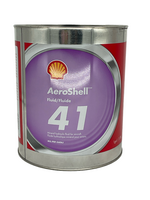
AeroShell Fluid 41 (MIL-PRF-5606J) Aircraft Hydraulic Fluid — 1 Gallon (P/N 550043667-1GL)
AeroShell Fluid 41 (MIL-PRF-5606J) is a high-cleanliness, mineral-based aircraft hydraulic fluid formulated for aircraft hydraulic systems that call for MIL-PRF-5606 type fluid. Often referred to as a “super-clean” 5606 fluid, it’s designed to support reliable hydraulic performance in demanding service by helping reduce particulate-related wear while providing strong anti-wear, corrosion inhibition, and oxidation resistance.
Fluid 41 maintains dependable flow characteristics across a broad temperature range to support consistent system response during cold starts and high-load operation. It is dyed red for easy identification and leak detection. Use only where mineral hydraulic fluid is specified, and always follow the aircraft/component maintenance manual for approved fluids and servicing practices.
Specifications (Bullet List)
-
Brand / Product: AeroShell Fluid 41
-
MIL Specification: MIL-PRF-5606J
-
Part Number: 550043667-1GL
-
Fluid Type: Mineral-based aircraft hydraulic fluid (“super-clean” 5606 type)
-
Container Size: 1 Gallon
-
Color: Red
-
Typical Applications: Aircraft hydraulic systems requiring MIL-PRF-5606 type mineral fluid
-
Operating Temperature Guidance:
-
Unpressurized systems: -54°C to 90°C
-
Pressurized systems: -54°C to 135°C
-
-
Performance Benefits:
-
High cleanliness level to help support component reliability
-
Anti-wear protection for pumps, valves, and actuators
-
Corrosion inhibition to protect system metals
-
Oxidation resistance for fluid stability in service
-
Stable viscosity/flow for consistent hydraulic response
-
-
Compatibility Notes: Designed for systems using compatible synthetic rubber seals; not intended for systems requiring natural rubber compatibility
-
Important Handling Note: Do not mix with phosphate-ester hydraulic fluids (e.g., Skydrol-type) unless explicitly approved by the OEM/manual
| General Information | |
|---|---|
| Part # | 550043667-1GL |
| Manufacturer | AeroShell |
| MSDS 1 | View Safety Data Sheet |
| Shipping Information | |
|---|---|
| Product Weight | 8 lbs. |
| Product Dimensions | 7.5 x 6.5 x 6.5 in. |
| Schedule B | 3819000000 |
| ECCN | EAR99 |
| Hazmat/Dangerous Goods | Yes |
| MSDS 1 | View Safety Data Sheet |
Customers also viewed

AIRCRAFT COMPATIBILITY
| Compatible Aircraft* |
|---|
PRODUCT REVIEWS
This item does not have any reviews yet.
QUESTIONS & ANSWERS
By minimizing contamination, resisting oxidation, and reducing deposit formation, AeroShell Fluid 41 helps protect valves, pumps, and seals. This contributes to fewer unscheduled maintenance events and supports stable long-term system performance.
Yes. AeroShell Fluid 41 meets the military specification MIL-PRF-5606J, ensuring it satisfies stringent standards for viscosity, cleanliness, oxidation resistance, low-temperature fluidity, and wear protection. This certification makes it suitable for most aircraft hydraulic systems that call for a mineral-based 5606-type fluid.
The term refers to its ultra-low particulate content, which significantly reduces contamination risk within hydraulic systems. As noted in its technical data, AeroShell Fluid 41 exceeds cleanliness levels required for DEF STAN 91-48 “superclean” grade fluids, making it ideal for modern aircraft with sensitive valves and precision hydraulic components. Superclean fluids help extend component life and improve operational reliability.
Yes. Although formulated for aircraft, AeroShell Fluid 41’s stable viscosity, clean additive package, and wide temperature operating range also make it suitable for select industrial hydraulic systems. Operators should still verify compatibility with system materials and OEM requirements before using it in non-aviation equipment.
When used properly, AeroShell Fluid 41 presents no unusual health or safety hazards. Standard precautions – such as avoiding prolonged skin contact and using protective gloves – are recommended. Shell provides a Safety Data Sheet (SDS) with detailed handling, disposal, and environmental guidance.
No. Chlorinated solvents should not be used on hydraulic components that contain or will contain AeroShell Fluid 41. Residual solvent contamination can trigger corrosion and degrade system integrity. Only OEM-approved cleaning agents should be used.
The fluid’s anti-wear additives and oxidation-stable formulation help protect hydraulic pumps, servo valves, and actuators in high-vibration environments. Its shear stability supports consistent viscosity, which protects precision hydraulic components from premature wear during long-term operation.
Yes. Its superclean production process minimizes particulate contamination, which is one of the leading contributors to hydraulic valve sticking, seal damage, and pump wear. By reducing contamination risk, operators benefit from more predictable system performance and fewer maintenance interruptions.
Foam inhibitors in the formulation help prevent aeration and foaming, even during rapid actuator cycling or heavy braking events. Reduced foam improves hydraulic response time and prevents cavitation-related wear.
While all hydraulic fluids can absorb moisture over time, AeroShell Fluid 41 is formulated with oxidation inhibitors that help reduce water-related degradation. Technicians should still monitor fluid condition through regular inspections and analysis to maintain optimal system performance.
Operational environment, system cleanliness, component wear, and contamination exposure all influence longevity. Harsh climates, frequent cycling, and high-pressure operation may shorten fluid life. Routine fluid analysis helps identify when replacement is necessary to maintain system health.
No. AeroShell Fluid 41 must never be mixed with Skydrol, HyJet, or other phosphate ester-based hydraulic fluids. Doing so can cause seal incompatibility, component damage, and serious safety hazards. Operators must always follow AMM specifications.
Yes. Low particulate levels, stable anti-oxidation chemistry, and corrosion inhibitors help reduce sludge formation and deposit buildup. This supports extended component life and minimizes the risk of performance degradation.
Filtering can remove particulates, but fluid that has oxidized, absorbed excess moisture, or suffered thermal degradation must be replaced entirely. Technicians should evaluate fluid samples before determining whether filtration is sufficient.
Yes, as long as hydraulic systems are properly sealed and maintained. The fluid’s corrosion inhibitors help protect internal components even when aircraft experience temperature fluctuations or environmental exposure. Regular inspections are still essential to ensure system integrity.
Yes. Its viscosity stability and lubricity support responsive operation of actuators, landing gear components, and brake systems. Consistent fluid behavior across temperature extremes helps pilots and technicians maintain predictable hydraulic performance.


