






Columbus Jack 1258-8000 – 15-Ton Jack Load Tester



Create yours now for free.

Need a Quote?
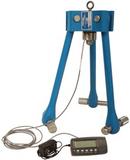
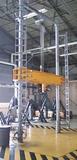
The Columbus Jack 1258-8000 is a 15-ton aircraft jack load tester designed for use with both tripod jacks and axle jacks. Built for accuracy and reliability, this static universal tester ensures precise load testing across hydraulic jacks from any manufacturer. Its rugged construction and durable components make it suitable for years of dependable performance, even in demanding environments. Compact and portable, it provides operators with an efficient solution for verifying jack capacity and safety compliance.
Standard Features
- 15-ton capacity in any position for tripod and axle jacks
- Adjustable height with test points at 13", 18", 31", and 36" by repositioning spacers above or below the load beam
- Portable design for quick and easy positioning in the hangar or shop
- One-piece base assembly for maximum durability and stability
- Electronic load cell with digital readout (230V AC – 50/60 Hz) for accurate, user-friendly measurements
Documentation Included
- Operation & Maintenance Manual
- Certificate of Conformance (CofC)
- Load Test Report
- Factory New – 12-Month Warranty
Specifications
- Vertical Capacity: 15 tons (13.6 metric tons)
- Minimum Opening Height: 13" (33 cm)
- Maximum Opening Height: 36" (91.4 cm)
- Opening Width: 30" (76.2 cm)
- Overall Structure Height: 58" (147.3 cm)
- Base Dimensions: 40" x 30" x 1.75" (101.6 x 76.2 x 4.4 cm)
- Net Weight: 825 lbs (375 kg)
- Crated Weight: 1,050 lbs (477 kg)
| General Information | |
|---|---|
| Part # | 1258-8000 |
| Manufacturer | Columbus Jack |
| Shipping Information | |
|---|---|
| Shipping Weight | 1110 lbs. |
| Shipping Dimensions | 36 x 46 x 60 in. |
| Schedule B | 9031808080 |
| ECCN | EAR99 |
Customers also viewed
AIRCRAFT COMPATIBILITY
This item is for use on all aircraft.
PRODUCT REVIEWS
This item does not have any reviews yet.
QUESTIONS & ANSWERS
Yes. The unit is designed as a static universal tester, capable of accurately evaluating tripod and axle jacks from any hydraulic jack manufacturer.
The 1258-8000 is delivered with a factory calibration and load test report; however, it should be recalibrated periodically, based on your facility’s quality standards or regulatory requirements. Many operators schedule calibration on an annual basis to ensure ongoing accuracy and reliability. Keeping calibration records is essential for compliance audits and to maintain confidence in jack load testing results.
While the load tester is built with a rugged frame and a Skydrol-resistant finish, it is best suited for indoor or hangar environments. Occasional outdoor use is possible, but operators should take precautions to protect the electronic readout and load cell from rain, moisture, and extreme temperatures. Storing the unit in a controlled environment when not in use will extend its service life.
Operators should always ensure the jack under test is correctly positioned in the opening and that the spacers are properly secured before applying load. Safety glasses and protective footwear are recommended, as the unit applies significant force during testing. Following Columbus Jack’s Operation & Maintenance Manual helps reduce the risk of improper use or accidental damage.
Yes, the 1258-8000 is CE marked, which means it complies with European safety, health, and environmental protection standards. This certification provides assurance for international operators that the unit is designed and manufactured to meet strict regulatory requirements.
The 1258-8000 is a low-maintenance unit, but periodic inspections are recommended to check for paint wear, structural integrity, and load cell performance. Keeping the moving parts clean and the electrical components free from dust and moisture will help maximize uptime. Load cell calibration is the most critical maintenance task.
The 1258-8000 supports compliance with FAA, EASA, and OEM mandates that require periodic load testing of aircraft jacks. By verifying that tripod and axle jacks meet their rated capacities, the tester helps operators document compliance for audits and inspections. Maintaining up-to-date load test records also supports airworthiness and safety documentation.
The tester should be stored in a dry, climate-controlled environment to protect its load cell and electronics. If possible, cover the unit with a protective tarp or case to prevent dust accumulation. Long-term storage should also include periodic inspections to verify calibration and readiness before returning the unit to service.


