






Goodyear 185F03-5 - Flight Eagle Tire - 18X5.5 - 10-Ply


Need a Quote?
The Goodyear 185F03-5 Flight Eagle is a Type III tubeless aircraft tire rated for speeds up to 210 mph (338 km/h). The tire is designed for use on a variety of general aviation and business aircraft, including the King Air, Learjet 20 series, and the Daher-Socata TBM 700.
Features
- Computer-aided design
- Special inner-liners
- Enhanced bead compounds and construction
- Sidewalls with a reservoir of antioxidants
Benefits
- Maximum number of landings
- Enhanced air retention
- Great serviceability and resistance to wheel damage
- Special wear-resistant tread compound
- Low cost per landing
- Excellent resistance to weather effect of sunlight and ozone
Aircraft Application
- 200 Super King Air – MLG
- Learjet 20 Series – MLG
- Embraer AMX – NLG
- EMB 120 Brasilia – NLG
- Epic LT – MLG
- SA26/SA226 Merlin – MLG
- TBM 700C2 – MLG
- TBM 850 – MLG
- TBM 900 – MLG
| General Information | |
|---|---|
| Part # | 185F03-5 |
| Manufacturer | Goodyear |
| Shipping Information | |
|---|---|
| Shipping Weight | 14.4 lbs. |
| Shipping Dimensions | 17 x 17 x 6 in. |
| Schedule B | 4011300000 |
| ECCN | 9A991.d |
| Specifications | |
|---|---|
| Average weight | 13 lbs |
| Diameter | 18 in |
| Number of Ply | 10 |
| Section Width | 5.5 in |
| Speed Rating | 210 mph |
Customers also viewed
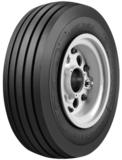
Customers who bought this item also purchased
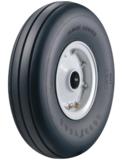
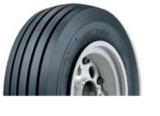
AIRCRAFT COMPATIBILITY
| Compatible Aircraft* | |
|---|---|
| Bombardier |
Learjet 23
NOTE
This tire is used on the aircraft's main landing gear.
,
Learjet 24
NOTE
This tire is used on the aircraft's main landing gear.
,
Learjet 25
NOTE
This tire is used on the aircraft's main landing gear.
|
| Daher-Socata | TBM-700 , TBM-850 |
| Embraer |
EMB-120
NOTE
This tire is used on the nose landing gear.
|
| Fairchild/Dornier | Merlin II |
| Hawker Beechcraft |
King Air
NOTE
This tire is used on the aircraft's main landing gear (Model 200).
|
PRODUCT REVIEWS
This item does not have any reviews yet.
QUESTIONS & ANSWERS
Goodyear recommends checking tire pressure daily or before the first flight of the day. Aircraft tires can lose up to 5% of their pressure in 24 hours, and readings should only be taken when the tires are cool. Regular pressure checks are essential to avoid heat buildup, irregular wear, and potential casing damage.
Underinflation causes shoulder wear, internal heat buildup, and potential separation of casing plies, while overinflation leads to center tread wear and reduced braking traction. Either condition shortens tire life and affects ground stability. Maintaining Goodyear’s recommended pressure range ensures consistent performance and safe operation.
After mounting, Goodyear advises inflating and letting the tire rest for 12 hours before first use. This allows the nylon cords to stretch naturally, stabilizing pressure and preventing early loss during operation. After this conditioning period, recheck inflation and make any necessary adjustments before service.
Follow a consistent inspection routine: check pressure, look for cuts or bulges, and remove debris from tread grooves. If asymmetric wear occurs, consider demounting and reversing the tire’s direction to even out usage. Adhering to these Goodyear maintenance recommendations can extend tire life by up to 20% in normal flight conditions.
Uneven wear typically results from gear misalignment, braking imbalance, or improper inflation. Goodyear advises inspecting gear alignment and maintaining consistent tire pressures across paired assemblies. Reversing the tire’s orientation on the wheel can help counteract camber-related wear and prolong tread life.
Each Goodyear tire is factory-balanced and marked with a red balance dot on the sidewall. Align this dot with the inflation valve during installation for optimal balance. Ensuring correct torque on axle nuts and addressing worn gear bushings can further reduce vibration during taxi and rollout.
The primary causes include foreign object damage (FOD), excessive heat from underinflation, and tread worn to removal limits. Even small debris like washers or bolts on the ramp can slice or puncture a tire under load. Keeping taxiways clean and performing preflight inspections helps minimize these risks.
Store tires in a cool, dry, well-ventilated area away from direct sunlight, ozone, and petroleum vapors. Keep them elevated to avoid flat-spotting and rotate inventory periodically. Following Goodyear’s storage recommendations ensures long-term performance and prevents rubber degradation.
Yes. Goodyear’s Flight Eagle series features high-strength nylon casings that can be retreaded multiple times if the structure passes inspection. Retreading is cost-effective and environmentally friendly, providing comparable safety and performance to new tires.
Goodyear provides a limited warranty against defects in materials and workmanship within a defined service or tread-wear period. To qualify, operators must follow proper installation, maintenance, and storage procedures as detailed in Goodyear’s warranty documentation.
Maintain consistent inflation, inspect for wear before every flight, and follow Goodyear’s “Top 10 Tire Tips” for best practices. Avoid excessive braking and minimize sharp turns during taxi to prevent sidewall stress. Small daily actions like these significantly increase tire reliability and reduce long-term maintenance costs.


