






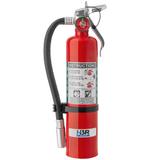
H3R Aviation C352TS Halon Fire Extinguisher – 2.5 lbs, Red


The H3R Aviation C352TS Halon Fire Extinguisher is a 2.5-lb FAA-approved Halon 1211 fire extinguisher trusted by both commercial and general aviation operators. Designed for aircraft ranging from Boeing jets to Cessna pistons, this aviation fire extinguisher delivers powerful, residue-free protection against Class B and Class C fires, making it safe for use around avionics, electronics, and interior components. Its larger capacity and extended discharge range provide enhanced fire coverage while supporting strict aviation safety standards.
Key Features
- Contains 2.5 lb. of Halon 1211 agent for effective suppression of flammable liquid and electrical fires
- Clean-agent discharge leaves no residue and minimizes post-fire damage to electronics and surfaces
- UL rated 5B:C for robust firefighting capability across Class B and C hazards
- 9-15 ft. discharge range enhances accessibility to distant or concealed fire zones
- 10-second continuous discharge time delivers sustained protection
- 14.5" height and 3.0" diameter offer easy stowage with expanded coverage compared to smaller models
- Widely used in commercial and general aviation, from airliners to piston aircraft
- FAA-approved for aircraft use, meeting industry safety and performance requirements
- Included bracket: 817S
- Optional bracket: NB300 (Extreme duty)
The C352TS is the go-to choice for pilots, operators, and aviation technicians who demand reliable halon fire protection with greater capacity for aircraft of all sizes and mission profiles.
| General Information | |
|---|---|
| Part # | C352TS |
| Manufacturer | H3R Aviation, Inc. |
| MSDS 1 | View Safety Data Sheet |
| Shipping Information | |
|---|---|
| Product Weight | 5.7 lbs. |
| Product Dimensions | 17 x 6 x 5 in. |
| Schedule B | 8424100000 |
| ECCN | 9A991.d |
| Hazmat/Dangerous Goods | Yes |
| MSDS 1 | View Safety Data Sheet |
| Specifications | |
|---|---|
| Agent weight | 2.5 lb. / 1.134 kg |
| Cylinder diameter | 3.0 in. / 7.6 cm |
| Discharge range | 9-15 ft. / 2.7- 4.6 m |
| Discharge time | 10 sec. |
| Gross weight | 5.0 lb. / 2.268 kg |
| Height | 14.5 in. / 36.8 cm |
| Included bracket | 817S |
| Optional brackets | NB300 (Extreme duty) |
| UL Classification | 5B:C |
| Width | 4.5 in. / 11.4 cm |
Customers also viewed
Customers who bought this item also purchased
AIRCRAFT COMPATIBILITY
| Compatible Aircraft* |
|---|
PRODUCT REVIEWS
This item does not have any reviews yet.
QUESTIONS & ANSWERS
The H3R Aviation C352TS Halon fire extinguisher is UL-rated 5B:C, meaning it is intended for use on Class B (flammable liquid) and Class C (electrical) fires. While it is not UL-rated for Class A combustibles, it may be effective against small, incidental Class A fires. Halon 1211 is particularly well-suited for aviation use because it suppresses flames quickly without leaving residue. Always follow aircraft emergency procedures when deploying a fire extinguisher.
The C352TS is specifically designed for aircraft environments where space, weight, and clean discharge are critical. Halon 1211 leaves no corrosive residue, protecting avionics and sensitive cockpit components. Its compact size and included mounting bracket make it ideal for installation within easy reach of the pilot or crew. Rapid fire suppression is essential in confined aircraft cabins.
The C352TS contains 2.5 lbs of Halon 1211 agent and is lightweight enough for installation in most general aviation aircraft. Its compact profile helps minimize impact on aircraft weight and balance. Despite its manageable size, it delivers strong fire suppression capability. This balance of performance and portability is important in aviation safety equipment.
The discharge time for the C352TS is approximately 10 to 12 seconds. This short, powerful discharge is designed to quickly knock down flames in an emergency. Because discharge time is limited, users should aim at the base of the fire and apply controlled bursts. A fast response is critical in aircraft fire situations.
Yes, the C352TS can be securely mounted using the supplied aircraft bracket, including for horizontal installations. The key consideration is ensuring the latch is easily accessible for rapid removal during an emergency. Proper mounting location improves safety and response time. Always install according to the manufacturer's guidance.
Yes, the H3R Aviation C352TS is rechargeable after discharge. It can be serviced by a qualified fire equipment technician in accordance with manufacturer recommendations. Rechargeability extends the extinguisher's usable life and supports long-term aircraft safety planning. Routine inspection is still required even if the unit has not been used.
Halon 1211 is considered a clean agent because it leaves no residue after discharge. Unlike dry chemical extinguishers, it will not contaminate avionics, wiring, or flight instruments. This makes Halon fire extinguishers especially suitable for cockpit and cabin use. Minimizing post-discharge cleanup is critical in aviation environments.
Aircraft fire extinguishers should be inspected regularly in accordance with FAA guidance and manufacturer recommendations. Inspections typically include checking the pressure indicator, verifying weight, and confirming bracket security. Routine maintenance helps ensure the extinguisher remains fully charged and ready for use. Proper documentation supports airworthiness compliance.
Halon is classified as an ozone-depleting substance, and new production has largely been phased out. However, recycled Halon remains approved for aviation applications due to its unmatched effectiveness and safety profile. Aviation regulations continue to allow Halon because suitable alternatives do not offer equivalent performance in aircraft environments. Responsible servicing helps minimize environmental impact.
Common mistakes include improper mounting, neglecting regular inspections, and failing to verify pressure levels. Another frequent issue is storing the extinguisher in a location that is difficult to access quickly. Ensuring proper installation and routine checks improves emergency readiness. Fire safety equipment must always remain accessible and serviceable.


