






Create yours now for free.

Need a Quote?
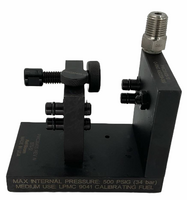
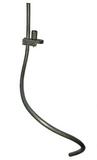
The Kell-Strom PWC30506 is a test rig fuel nozzle used for hot section inspections (HSI) on select Pratt & Whitney aircraft engines.
| General Information | |
|---|---|
| Part # | PWC30506 |
| Manufacturer | Kell-Strom |
| Shipping Information | |
|---|---|
| Shipping Weight | 31 lbs. |
| Shipping Dimensions | 19 x 13 x 14 in. |
| Schedule B | 8205599000 |
| ECCN | EAR99 |
Customers also viewed
Customers who bought this item also purchased
AIRCRAFT COMPATIBILITY
| Compatible Aircraft* |
|---|
PRODUCT REVIEWS
This item does not have any reviews yet.
QUESTIONS & ANSWERS
The PWC30506 Test Rig Fuel Nozzle is designed for use on a wide range of Pratt & Whitney PT6A engines, including the PT6A-114A, PT6A-67P, and PT6A-60A. Users should verify compatibility with the specific engine model they service, consulting the aircraft or engine maintenance manual to confirm that this nozzle test rig fits the hot section geometry and nozzle type.
During hot section inspections, technicians remove and inspect fuel nozzles in the hot section of the engine for wear, erosion, or deposition. The PWC30506 provides a flow-test fixture that allows the nozzle to be tested for flow uniformity, spray pattern, and performance before reinstallation. This helps ensure that repaired or cleaned nozzles meet performance standards, preventing fuel distribution issues or hot section damage.
The NSN for the PWC30506 fuel nozzle test rig is 4920-00-446-8908. This designation helps in logistics, procurement, and inventory tracking for organizations that use standard government or military purchasing/parts management systems.
Because the test rig is included in the Kell-Strom 5202KS PT6 Fuel Nozzle Kit, having the PWC30506 on hand means there’s no need to source a separate fixture or rig when doing hot section inspections. This reduces wait times, shipping delays, or reliance on temporary jigs. Proper nozzle testing improves first-pass acceptance rates and minimizes rework.
A nozzle may warrant use of this test rig if it shows signs of carbon buildup, uneven fuel spray, soot or discoloration, degraded fuel atomization, or after cleaning or repair. If, during operation, there’s evidence of performance loss or unusual exhaust coloration or temperatures, nozzle flow testing can help determine if nozzle reinstatement is acceptable.
After tests, rinse and clean internal passages to remove fuel residues and deposits. Ensure the flow fixture faces and orifices are kept free of clogging, corrosion, or damage. Periodically inspect for wear or distortion, especially around sealing surfaces or threads, and store in protective packaging in a clean, dry environment.
Yes, the PWC30506 is used to test nozzles both before servicing (baseline condition) and after cleaning or repair to confirm restored performance. This allows comparison of performance metrics like flow rate or spray pattern to see whether cleaning or repair was effective.
Ambient temperature, water quality (if used in the test fluid), cleanliness of the rig and nozzle, and consistent pressure supply all influence test rig results. Variations in any of these can lead to misleading readings (low flow, uneven spray), so those variables should be controlled or accounted for during testing.
With proper maintenance and care, this nozzle test rig remains reliable through many inspection cycles. Precision machining and durable materials used in its construction help uphold performance. However, critical inspections (HSI) may require more frequent checks for calibration, wear, or damage, especially for sealing or alignment surfaces.


