






Kell-Strom PWC90086 Fuel Nozzle Spray Chamber for Select Pratt & Whitney Aircraft Engines
Create yours now for free.

Need a Quote?
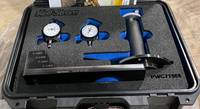
The Kell-Strom PWC90086 Fuel Nozzle Spray Chamber is a portable inspection unit designed to evaluate the spray pattern and cone shape of PT6 simplex fuel nozzles using standard shop air. By illuminating the spray cone and securely positioning the nozzle in a dedicated fixture, the chamber allows technicians to quickly verify fuel atomization quality – an essential step in maintaining proper combustion, engine efficiency, and reliable turboprop engine performance.
| General Information | |
|---|---|
| Part # | PWC90086 |
| Manufacturer | Kell-Strom |
| Shipping Information | |
|---|---|
| Shipping Weight | 52 lbs. |
| Shipping Dimensions | 19 x 19 x 20 in. |
| Schedule B | 8205599000 |
| ECCN | EAR99 |
Customers also viewed

Customers who bought this item also purchased
AIRCRAFT COMPATIBILITY
| Compatible Aircraft* |
|---|
PRODUCT REVIEWS
This item does not have any reviews yet.
QUESTIONS & ANSWERS
The Kell-Strom PWC90086 fuel nozzle spray chamber is designed to inspect the spray pattern of PT6 simplex fuel nozzles. It allows technicians to evaluate the spray cone shape and atomization quality using standard shop air. Proper spray pattern inspection helps identify clogged, worn, or malfunctioning fuel nozzles before they are reinstalled in the engine.
Fuel nozzle spray pattern inspection ensures that fuel is evenly atomized before entering the combustion chamber. Poor atomization can lead to inefficient combustion, increased fuel consumption, and excessive engine temperatures. By verifying the spray cone pattern, maintenance teams can help maintain optimal engine performance and reliability.
The spray chamber allows technicians to quickly load and position fuel nozzles in a specially designed fixture for inspection. Its built-in design enables fast setup and repeatable spray cone testing without complex equipment. This streamlined process helps maintenance shops inspect multiple fuel nozzles efficiently during routine service.
The PWC90086 spray chamber is designed specifically for PT6 turbine engine fuel nozzles. PT6 engines are widely used in turboprop aircraft across general aviation, commuter aviation, and special mission aircraft. Inspecting these fuel nozzles helps maintain consistent combustion performance across many PT6-powered aircraft types.
The chamber illuminates the spray cone from below, allowing technicians to clearly observe the fuel spray pattern. This lighting improves visibility when evaluating the cone shape and atomization characteristics. Enhanced illumination makes it easier to detect irregular spray patterns that may indicate nozzle blockage or wear.
The PWC90086 fuel nozzle spray chamber operates on standard shop air. This eliminates the need for specialized compressed air equipment. As a result, most aviation maintenance facilities can easily integrate the unit into their inspection procedures.
The unit is stored in a self-contained, heavy-duty portable case, making it easy to transport and protect between uses. This portability allows maintenance teams to perform nozzle inspections in various shop environments or field service locations. The durable case also helps protect the equipment from damage during storage and transport.
During inspection, technicians can detect clogged passages, uneven spray patterns, or distorted spray cones. These issues may indicate contamination, carbon buildup, or internal wear within the nozzle. Identifying these problems early helps prevent poor combustion performance and potential engine damage.
Proper fuel atomization ensures that fuel mixes efficiently with air in the combustion chamber. This results in smoother combustion, improved engine efficiency, and stable turbine operation. When atomization is compromised, engines may experience rough operation, reduced power output, or increased emissions.
Fuel nozzles are critical components in turbine engine fuel systems, and even minor issues can affect engine performance. Inspecting the spray pattern ensures that each nozzle delivers fuel evenly and consistently. By verifying nozzle condition before installation, technicians help maintain safe and efficient engine operation.


