






Nav-Aids PS56620M3-4-4 Pitot-Static Adapter – Select Diamond & Piper Aircraft


Create yours now for free.

Need a Quote?
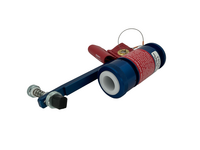
The Nav-Aids PS56620M3-4-4 is a pitot-static adapter for use on select Diamond and Piper aircraft models.
| General Information | |
|---|---|
| Part # | PS56620M3-4-4 |
| Manufacturer | Nav Aids LTD |
| Shipping Information | |
|---|---|
| Product Weight | 1 lbs. |
| Product Dimensions | 12 x 5 x 3 in. |
| Schedule B | 9031900000 |
| ECCN | EAR99 |
Customers also viewed
Customers who bought this item also purchased

AIRCRAFT COMPATIBILITY
| Compatible Aircraft* | |
|---|---|
| Diamond Aircraft |
DA20-A1
,
DA20-C1
,
DA40 Diamond Star
NOTE
Recommended, ADA Kit : DA-612C
,
DA42
|
| Piper | Archer III , Arrow , Cherokee , Cherokee Six 300 - PA-32-300 , Dakota PA-28-236 , Seminole , Seneca III - PA-34-220T , Warrior III |
PRODUCT REVIEWS
This item does not have any reviews yet.
QUESTIONS & ANSWERS
The Nav-Aids PS56620M3-4-4 is used to connect a pitot-static or air data test set to an aircraft’s pitot and static system for maintenance testing. Once installed on the pitot probe, it allows technicians to test the pitot system, static system, or both simultaneously, depending on the procedure. This supports accurate verification of airspeed and altitude-related systems during inspections and troubleshooting.
Yes. The PS56620M3-4-4 is compatible with any air data test set, provided the correct hoses and fittings are used. This makes it a flexible accessory for maintenance teams using common pitot-static test equipment brands. The key is ensuring the adapter matches the aircraft pitot probe and test hose configuration.
Pitot-static testing requires a secure, leak-free connection to the aircraft’s pitot probe and static system. A dedicated adapter is designed to fit correctly without damaging probe surfaces or relying on makeshift connections that can leak. Better sealing improves test accuracy and helps reduce false failures during air data inspections.
Some maintenance procedures require isolating one system to pinpoint leaks or performance issues, while other checks require testing both systems together. The PS56620M3-4-4 supports both approaches when installed, streamlining troubleshooting and inspection workflows. Having that flexibility helps technicians follow aircraft maintenance manual procedures more accurately.
The protective caps also serve as pre-test probes, allowing technicians to verify the integrity of the adapter and hose before connecting to the aircraft. This can help catch leaks or setup issues early, saving time and reducing the need for repeated test cycles. Protective caps also help keep the adapter clean, preventing debris from contaminating the test connection.
The included “Remove Before Flight” tag helps prevent accidental departure with test equipment still installed. Pitot-static adapters are installed externally and must be removed before flight to restore normal pitot-static system operation. Visible tagging supports safer maintenance workflow and stronger tool control practices in busy hangar environments.
A properly designed pitot-static adapter fits the pitot probe without forcing the connection, thereby reducing the risk of scratching, bending, or deforming the probe. Pitot probes are sensitive components, and physical damage can result in inaccurate readings or costly replacements. Using the correct adapter helps protect aircraft hardware while ensuring the test setup seals properly.
Leaks in adapters, hoses, or fittings can cause pressure decay and unstable readings, potentially leading to test failures or inconsistent results. Even small leaks can be significant when technicians require precise air data verification. Pre-testing the adapter with its caps and confirming proper fit on the aircraft probe helps reduce leak-related troubleshooting.
AN fittings are a common aviation standard designed to provide reliable, repeatable sealing performance. This adapter uses AN fittings to improve connection reliability during pitot-static testing. Consistent fitting quality helps reduce air leaks, making it easier to maintain accurate test pressures.
Pitot-static adapters should be stored clean and protected from dust, impact damage, and deformation. Many maintenance teams keep adapters in dedicated pitot-static accessory cases so sealing surfaces and caps remain intact. Clean storage supports repeatable test performance and reduces the chance of contamination entering the pitot system during setup.
An adapter should be replaced if it shows cracks, worn sealing surfaces, damaged fittings, missing caps, or if it repeatedly fails to hold pressure during testing. Since accurate pitot-static testing depends on leak-free connections, worn adapters can lead to wasted labor and unreliable results. Keeping critical adapters in good condition helps protect both compliance and operational readiness.
It supports both. Pitot-static adapters are used during routine inspections (such as required pitot-static checks) and during troubleshooting when technicians need to isolate instrument performance issues. A reliable adapter enables maintenance teams to complete tests efficiently and ensures repeatable results across various aircraft and test sets.
A proper pitot-static adapter reduces setup time by providing a correct-fit connection that doesn’t require improvised fittings or repeated reseating. With improved sealing, technicians can complete tests more efficiently and spend less time troubleshooting leaks or unstable readings. For shops handling frequent inspections, this can noticeably improve workflow efficiency.
The best approach is to confirm the aircraft model and pitot probe style listed in the product’s compatibility information and verify those details with your Aircraft Maintenance Manual (AMM) if needed. Because pitot probe configurations can vary by aircraft and serial number, confirming a proper fit before ordering helps prevent returns and ensures your air data test setup works correctly the first time. If you’re unsure, reach out to PJi’s aviation specialists for help confirming compatibility with your aircraft.


