






Nav-Aids SKA100-4-4 Static Test Adapter – Beech 90, King Air, Duke, and CASA 212-300/400 Series


Create yours now for free.

Need a Quote?
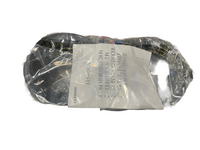
The Nav-Aids SKA100-4-4 is a static test adapter for the Beech 90, King Air, Duke, and CASA 212-300 and 212-400 series aircraft.
| General Information | |
|---|---|
| Part # | SKA100-4-4 |
| Manufacturer | Nav Aids LTD |
| Shipping Information | |
|---|---|
| Product Weight | 1.11 lbs. |
| Product Dimensions | 11 x 5 x 3 in. |
| Schedule B | 9031900000 |
| ECCN | EAR99 |
Customers also viewed
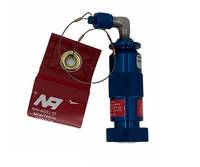
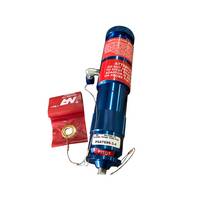
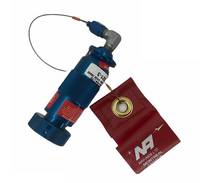
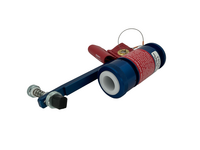

Customers who bought this item also purchased
AIRCRAFT COMPATIBILITY
| Compatible Aircraft* | |
|---|---|
| Hawker Beechcraft | , , |
PRODUCT REVIEWS
This item does not have any reviews yet.
QUESTIONS & ANSWERS
The Nav-Aids SKA100-4-4 is used to connect an air data test set to an aircraft’s static system for pitot-static and air data testing. It interfaces with the aircraft’s static vents, allowing technicians to perform system checks without needing to modify the fittings. This helps support accurate static system verification during routine inspections, troubleshooting, and certification work.
The accuracy of a static system directly impacts the performance of altimeters and airspeed systems, which in turn affects flight safety and regulatory compliance. If the static system has leaks, restrictions, or inaccurate pressure sensing, it can lead to incorrect instrument readings. Static system testing enables technicians to verify the integrity and performance of an aircraft before it returns to service.
The SKA100-4-4 is part of the Nav-Aids KING-945 Air Data Accessories Kit, which is designed for standard and RVSM testing on Beechcraft King Air aircraft. RVSM operations demand tighter tolerance and verification, so using the correct static test adapters helps improve test accuracy and repeatability. Having the proper adapter kit also helps reduce setup errors during RVSM-related checks.
Because static vents are typically located on both sides of the fuselage, two adapters are required to properly test the static system and avoid asymmetrical pressure effects. This is especially important during standard and RVSM testing, where accurate and stable readings matter. Using two adapters supports a correct test configuration and more reliable results.
No. The SKA100-4-4 is compatible with any air data test set, provided the proper hoses and fittings are used. Many operators pair it with Nav-Aids accessory kits because the hoses and adapters are designed to work together. The key is to confirm that the adapter and hose configuration match your test set and aircraft interface.
The adapter is connected to an air data test set via the supplied hose included in Nav-Aids air data test accessory kits. Using the correct pitot-static test hose helps maintain a controlled connection and supports accurate test results. Improvised fittings can increase the risk of leaks and compromise test integrity.
The SKA100-4-4 utilizes AN fittings, which are commonly used in aviation for their reliable sealing and consistent connections. Proper fittings help reduce leakage and improve repeatability during static system testing. For technicians performing certification or troubleshooting work, dependable fittings support more confident test outcomes.
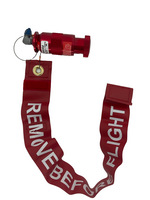
The adapter includes a “Remove Before Flight” tag, which helps prevent accidental departure with test equipment still installed. This is a simple but essential safety step because static system adapters are external connections that must be removed and the vents restored before flight. Visual tagging improves maintenance discipline and reduces risk in busy hangar environments.
A proper static test adapter is designed to fit the aircraft’s static vent interface without forcing or distorting the vent opening. This helps reduce the chance of scratching, bending, or compromising the static vent surface during test setup. In contrast, makeshift adapters can cause damage that affects the accuracy of static pressure sensing.
Before testing, technicians should verify that the adapters are properly seated, the hoses are secure, and the fittings are clean to minimize the risk of leaks. Many kits, such as the KING-945, include the means to pre-test adapters and hoses before fitting them to the aircraft, which helps confirm the integrity of the test setup. Clean connections and confirmed sealing support consistent static system test results.
A leak in the static system or test setup can cause pressure decay, unstable readings, or inaccurate instrument simulation results. Even small leaks can be significant during RVSM testing due to tighter tolerances. Using the correct static test adapter and verifying hose integrity helps reduce false failures and repeat test cycles.
Static test adapters should be stored clean and protected from dust, impact damage, and deformation. Many maintenance teams store them in a dedicated pitot-static accessory case to maintain the good condition of seals and fittings. Good storage practices help preserve fit and support reliable sealing during future testing.
An adapter should be replaced if it shows visible damage, worn sealing surfaces, cracks, bent fittings, or if it consistently fails to hold pressure during tests. Since pitot-static testing depends on leak-free connections, degraded adapters can waste troubleshooting time and create unreliable results. Keeping a spare adapter available is a practical way to reduce downtime for flight line testing.
Many avionics shops purchase the full KING-945 kit to cover their complete air data testing requirements, while individual adapters, such as the SKA100-4-4, are also purchased as spares or replacements. Buying the adapter separately can help keep an existing KING-945 kit complete, avoid downtime due to damaged accessories, or support additional test setups. This is especially useful if multiple technicians run pitot-static tests in parallel.


