






Shockbox SB24-00-CEBACS - Complete Electronic Battery Analyzer & Charging System (EBACS)


Need a Quote?
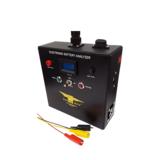
The Shockbox SB24-00-CEBACS - Complete Electronic Battery Analyzer & Charging System is an integrated test and charging station designed for small emergency power supplies and standby batteries, including popular units such as the PS-835, PS-850, PS-855, RG-125, RG-126, and Mid-Continent 9015607. It combines the analysis capabilities of the Electronic Battery Analyzer (EBA) with a dedicated computer and charger in a single enclosure, allowing aviation maintenance technicians to charge one power supply or battery pack while simultaneously testing and monitoring another.
Developed by aircraft mechanics for aircraft mechanics, CEBA CS is ideal for MRO facilities, avionics shops, and charter operators that need to bring PS-series power supply testing in-house, but it can also be used by other transportation and industrial maintenance teams that work with 12–28 VDC emergency power systems. The system’s computer-managed software automates the discharge test sequence, logs results, and frees the technician from constantly watching the load test, helping reduce turnaround time and aircraft or vehicle downtime.
Key Features
- Integrated analyzer, dedicated PC, and charging circuitry in a single Shockbox enclosure for streamlined bench setup.
- Capacitance and discharge testing for PS-835, PS-850, PS-855, RG-125, RG-126, Mid-Continent 9015607, and similar small standby power supplies.
- Computer-controlled test sequences that automatically apply the proper load, measure run time, and record capacity performance.
- Ability to charge one power supply or battery while testing another, maximizing bench efficiency in busy maintenance environments.
- USB-connected software interface for data capture, trending, and documentation of test results.
- Well suited for aircraft operators, repair stations, and ground support organizations that maintain emergency lighting and standby power systems, as well as other industries that rely on compact DC power modules.
| General Information | |
|---|---|
| Part # | SB24-00-CEBACS |
| Manufacturer | Shockbox Test Equipment |
| Shipping Information | |
|---|---|
| Product Weight | 17 lbs. |
| Product Dimensions | 14 x 14 x 10 in. |
| Schedule B | 9031200000 |
| ECCN | EAR99 |
Customers also viewed
AIRCRAFT COMPATIBILITY
| Compatible Aircraft* |
|---|
PRODUCT REVIEWS
This item does not have any reviews yet.
QUESTIONS & ANSWERS
The ShockBox Complete Electronic Battery Analyzer & Charging System (EBACS) is a specialized test station that combines battery charging and diagnostic analysis into a single integrated unit, allowing technicians to charge a battery while simultaneously testing and monitoring another. Unlike basic battery chargers or handheld testers, EBACS uses software-controlled automation to perform discharge and resistance tests and deliver repeatable results. It is optimized for smaller standby power supplies and battery packs often found in aircraft emergency and support systems. This all-in-one approach helps maintenance teams streamline their workflow and reduce manual oversight during lengthy test cycles.
EBACS improves maintenance workflows by automating key steps, including applying load, monitoring performance, recording data, and calculating battery capacitance. Its dedicated PC and software remove the need for technicians to manually watch a test’s progress, freeing them to perform other tasks simultaneously. The ability to charge one battery while testing another also maximizes bench efficiency, especially in busy shops with high throughput. As a result, EBACS helps reduce turnaround time and increases overall productivity in battery servicing environments.
EBACS is specifically designed to test the standby power supplies and battery packs of smaller aircraft, including popular units such as PS-835, PS-850, PS-855, RG-125, and RG-126, as well as Mid-Continent models widely used in emergency systems. It’s capable of handling both 12-volt and 24-volt systems with a controlled load up to 100 watts, allowing discharge and resistance testing across a range of aviation battery types. This breadth makes it particularly useful for maintenance shops supporting diverse fleets with multiple backup power modules. While geared toward smaller power systems, the system’s flexible software supports higher C-rating test procedures when needed.
The EBACS’s software manages the test sequence, captures data in real time, and calculates true battery capacitance based on load and time parameters, eliminating much of the guesswork in manual test methods. It also allows testing at higher C ratings, giving maintenance teams insight into performance under stress conditions. Automated data logging and result storage support trend analysis and documentation, which is useful for maintenance records and compliance. By standardizing testing parameters and output, the software helps ensure consistent, repeatable results across multiple test cycles.
Simultaneous testing and charging help shops manage limited bench space and technician time more effectively. Instead of waiting for one battery to complete a test before starting another, EBACS enables parallel workflows that can significantly shorten overall service time. This is especially important for facilities that handle many standby batteries or power supplies on a daily basis. The dual-function capability also supports inventory management by ensuring more units can be serviced within the same maintenance window.
By providing faster, automated, and reliable battery testing, EBACS helps maintenance teams identify weak or failing batteries before they cause in-service failures. Early detection through precise analysis allows teams to condition or replace batteries proactively rather than reactively, minimizing unscheduled maintenance events. Its integrated data logging and reporting features also help prioritize replacement or reconditioning needs across scheduled maintenance. This proactive approach improves fleet availability and reduces the risk of AOG (Aircraft on Ground) situations caused by battery issues.
Traditional manual battery testing often requires technicians to monitor discharge tests, record results by hand, and repeatedly switch between tasks, which increases labor time and the chance of human error. EBACS eliminates many of these inefficiencies by managing test sequencing, monitoring, and data recording automatically through dedicated software. The system’s ability to precisely apply loads and perform calculations also improves accuracy compared to ad hoc manual methods. This combination of automation and integrated reporting helps reduce technician workload and improve test reliability.
Yes. Because EBACS captures and logs detailed test data, it can be a useful tool for supporting maintenance documentation and traceability. Logged results provide a record of battery performance that can be referenced during inspections or compliance reviews, helping demonstrate that required tests were conducted under controlled conditions. This is particularly valuable in regulated environments where documented evidence of test results is required by internal procedures or external auditors. Having structured data available also supports trend analysis and helps maintenance professionals make more informed decisions.
The complete EBACS system typically ships with a power cord, universal test leads for both charging and discharging batteries, and a custom adapter for specific power supply types. It also includes a USB flash drive for transferring test data, a USB keyboard and mouse combo for interacting with the system’s PC interface, and a strap or pouch for secure storage of the lead during testing. These accessories help technicians get started quickly and keep test gear organized. Standard inclusions support both immediate operation and efficient bench setup, without requiring additional purchases for basic workflows.
EBACS stands out by integrating a charger and a full analyzer into a single enclosure, with dedicated software control, streamlining workflows that might otherwise require separate equipment. Its capacity to support up to 100 watts of load testing and to handle both 12-V and 24-V systems makes it competitively capable for smaller standby and emergency batteries. Compared to basic battery testers, EBACS offers more detailed diagnostics, automated data capture, and simultaneous charge/test workflows. These capabilities often result in faster throughput and deeper insights into battery health than standalone bench units or consumer-grade analyzers.


