



A Comprehensive Checklist for Towbar Head Inspections and Maintenance
Key Takeaways
- Towbar heads endure significant stress during aircraft towing and require regular inspection and maintenance to prevent equipment failure, aircraft damage, and injury to ground personnel.
- Critical inspection points include weld integrity, structural components, towing hooks and shear plates, the axle locking mechanism, shear pins and bushings, and the tightness of all bolts and connections.
- Steel components are especially vulnerable to rust and corrosion and should be wiped with light penetrating oil and touched up with epoxy-based or polyurethane-based paint wherever protective coatings have worn away.
- A tiered maintenance schedule – with weekly, monthly, and quarterly checks – ensures that both high-wear items and less frequently inspected components receive appropriate attention.
- PJi carries towbars and towbar heads from top manufacturers, including Tronair, Clyde, and Brackett Aircraft Company (BAC), and serves as an OEM-approved Tronair service center for repairs and maintenance.
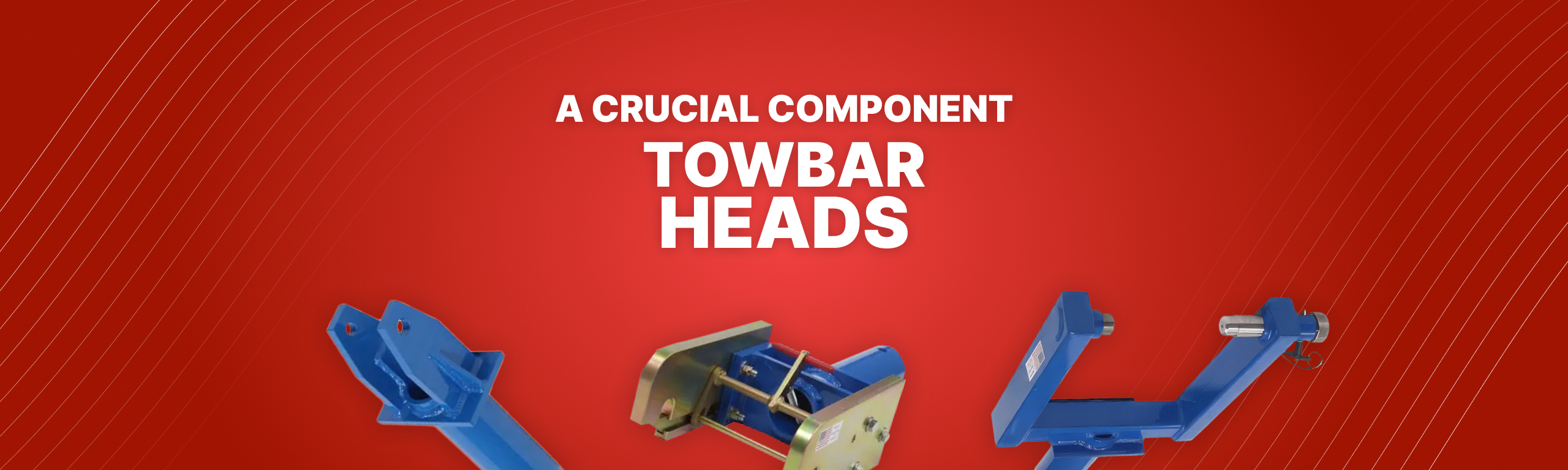
Towbar heads are a critical link in aircraft ground handling – the single piece of GSE that connects the towbar to the aircraft and transmits every pound of pulling, pushing, and steering force during a tow. Because they carry that load on every move, towbar heads are also one of the components most prone to wear, fatigue, and damage when inspections fall behind. Regular inspection and maintenance keep them operating safely, efficiently, and reliably throughout the equipment's full lifespan.
In this article, we'll walk through why scheduled towbar head inspections matter, the specific components and conditions to evaluate during each check, a tiered maintenance schedule, and the best practices that keep your towbar heads service-ready and your tows incident-free.
The Importance of Regular Towbar Head Inspections and Maintenance
Towbar heads experience significant stress during aircraft towing operations. They're the components responsible for connecting the towbar to the aircraft, which means any failure – a cracked weld, a worn shear pin, a sticking locking mechanism – can lead to severe consequences, including aircraft damage, injuries to ground personnel, or costly operational downtime. Regular inspections help technicians and ground crews catch potential issues before they become critical, ensuring towbar heads stay in optimal working condition and that every tow starts with equipment you can trust.
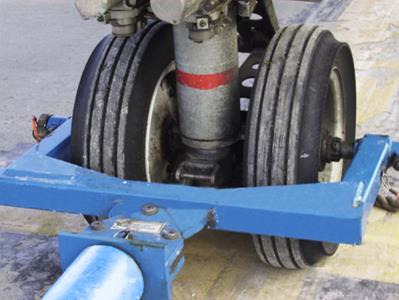
Key Inspection Areas for Aircraft Towbar Heads
- Weld Integrity – One of the first things to check on any towbar head is the integrity of its welds. Cracks – even hairline ones – can compromise structural strength and make the head unsafe to use. If any cracks are found, remove the towbar head from service immediately and have it repaired by a qualified technician.
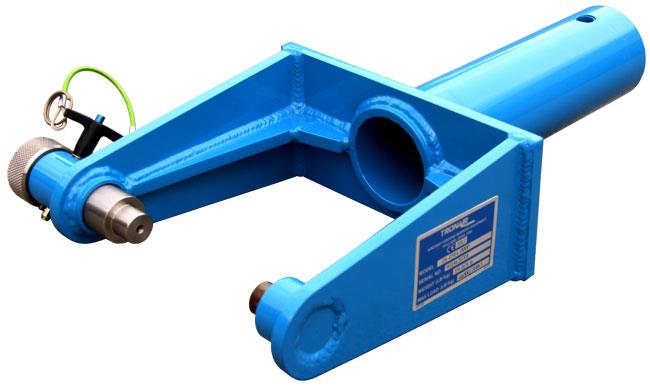
- Structural Integrity – Inspect the towbar head's main structural components – including weldment members, side rails, and head plates – for any signs of bending, twisting, or deformation. Bending typically indicates the head has been subjected to forces beyond its design limits, which can lead to failure under load during future towing operations.
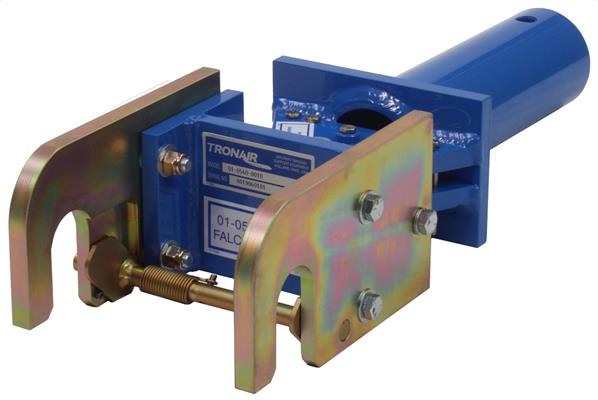
- Towing Hooks and Shear Plates – These components form the actual connection between the towbar head and the aircraft, so their condition has a direct impact on tow safety. Inspect each for bending, excessive wear, or other damage. If any issues are found, take the towbar head out of service and replace the affected components before reusing it.
- Axle Locking Mechanism – The axle locking mechanism keeps the towing hooks securely engaged with the aircraft throughout every tow. Verify that the mechanism springs back into place properly and holds the towing hooks firmly in position. Any malfunction here can quickly turn a routine tow into an unsafe situation.
- Shear Pins and Bushings – On towbar heads equipped with shear pins, inspect each pin for bending, breakage, or wear. Shear pins are designed to absorb excessive force and protect both the aircraft and the towbar head in the event of an overload, so a damaged or missing pin should be replaced immediately. Inspect the surrounding bushings for cracks or chips at the same time and replace them as needed.
- Rust and Corrosion – All steel components should be inspected for signs of rust or corrosion. Most towbar heads have bare or anodized metal parts that are left unpainted because they slide, move, or fit tightly into the aircraft; once the factory coating wears off, those surfaces become susceptible to rust. A light wipe with penetrating oil helps prevent corrosion and keeps parts moving freely. Where rust has already developed, clean the affected area thoroughly, then touch it up with epoxy-based or polyurethane-based paint to prevent further damage.
- Sliding Pins and Retaining Pin Assembly – On towbar heads with sliding pins, make sure each pin moves freely within its housing and that the retaining pin assembly locks it securely in place. Any binding, hesitation, or loose locking action should be addressed right away to prevent the towbar head from disengaging mid-tow.
- Tightness of Bolts and Connections – Confirm that every bolt, especially those securing the towing hooks and shear plates, is tight and properly seated. Loose hardware can lead to misalignment, vibration damage, or outright failure of the towbar head during operation. Tighten any loose bolts to spec and replace any missing or damaged hardware before returning the equipment to service.
Maintenance Schedule and Checklist
To keep your towbar heads in top condition, follow this tiered maintenance checklist on a regular cadence:
- Weekly Inspections:
- Inspect for weld cracks and structural bending or deformation.
- Check towing hooks and shear plates for damage or excessive wear.
- Verify that the axle locking mechanism engages and releases properly.
- Inspect shear pins and bushings and replace them as necessary.
- Check steel components for rust and touch up coatings as needed.
- Monthly Inspections:
- Ensure all bolts and connections are tight and properly seated.
- Inspect sliding pins and retaining pin assemblies for smooth operation and secure locking.
- Quarterly Inspections:
- Perform a comprehensive inspection of every towbar head component, including those not covered in the weekly and monthly checks.
Best Practices for Towbar Head Maintenance
- Use Genuine Parts – For Tronair towbar heads, always use Tronair-specified replacement parts, including shear pins and bushings. Using unapproved parts can compromise the safety and effectiveness of the head and may void any applicable warranties.
- Training and Awareness – Train ground handling personnel on the proper use, inspection, and care of towbar heads. Regular refreshers help prevent misuse, build operator familiarity with each piece of equipment, and surface developing issues sooner.
- Documentation – Keep detailed records of every inspection, maintenance action, and repair. Good documentation makes it easier to track the condition of your towbar heads over time and supports compliance with safety regulations and audit requirements.
- Visual Inspections – Encourage personnel to perform a quick visual check of the towbar head before each use, even when a formal inspection was completed recently. A 30-second walkaround can catch issues that have developed since the last full inspection – before the head reaches the aircraft.
The Bottom Line
Towbar head inspections and maintenance are essential to safe, efficient aircraft towing. A consistent inspection routine – paired with the right replacement parts and clear documentation – will catch potential issues long before they reach the aircraft, extending the life of your equipment and protecting your ground crew, your fleet, and your operation.
At Pilot John International® (PJi®), we make it easy to support every step of that process. We offer a comprehensive selection of aircraft towbars and towbar heads from leading manufacturers – including Tronair, Clyde, and Brackett Aircraft Company (BAC) – and our team of dedicated aviation specialists can help you match the right head to every aircraft in your fleet.
PJi is also an OEM-approved service center for Tronair ground support equipment (GSE), including towbars and towbar heads, tripod and axle jacks, hydraulic power units (HPUs), ground power units (GPUs), and other specialized equipment – so when service is what you need, our expert technicians can inspect, repair, and recertify your gear to OEM standards. Call, email, or chat with us today to keep your essential GSE operating at peak performance.
Frequently Asked Questions
How often should aircraft towbar heads be inspected?
Aircraft towbar heads should follow a tiered inspection cadence – weekly visual and functional checks of welds, hooks, shear plates, the locking mechanism, shear pins, and rust-prone surfaces; monthly checks of fasteners, sliding pins, and retaining assemblies; and a comprehensive quarterly inspection of every component. Operators should also perform a quick walkaround before each tow, regardless of when the last formal inspection was completed.
What are the most common signs that a towbar head needs maintenance?
The most common warning signs include cracked or fractured welds, bent or deformed structural members, worn or bent towing hooks and shear plates, a sluggish or stuck axle locking mechanism, broken or missing shear pins, and visible rust or corrosion on unpainted steel surfaces. Loose or missing bolts are another frequent finding. Any of these conditions warrants removing the towbar head from service until repairs are completed by a qualified technician.
What is the purpose of the shear pin in a towbar head?
The shear pin is a sacrificial component designed to break under excessive load, protecting both the aircraft and the towbar head from damage during an overload event. Once a shear pin breaks, it should be replaced immediately with the exact part specified by the manufacturer – using an unapproved pin can render the protective function entirely ineffective. Inspect the surrounding bushings whenever you replace a shear pin, and replace them if they show any cracking or chipping.
Can I repaint or refinish a towbar head if the original coating is worn?
For unpainted bare or anodized parts that slide, move, or fit tightly into the aircraft, refinishing isn't recommended – a light wipe with penetrating oil is enough to keep those surfaces protected. For painted areas where the coating has chipped or worn off, thoroughly clean away any rust, then touch up the affected section with epoxy-based or polyurethane-based paint. Always confirm any refinishing approach against the manufacturer's maintenance guidance before applying coatings to structural components.
Does PJi service aircraft towbar heads as well as sell them?
Yes! PJi is an OEM-approved Tronair service center, which means our technicians can inspect, repair, and recertify Tronair towbars and towbar heads to factory standards. We also stock a wide selection of new towbar heads from Tronair, Clyde, and Brackett Aircraft Company (BAC) – so if a head can't be brought back to service, we can help you replace it quickly.
What's the difference between weekly, monthly, and quarterly towbar head maintenance?
Weekly towbar head maintenance focuses on high-wear and safety-critical items – welds, hooks, shear plates, the locking mechanism, shear pins, and rust-prone surfaces. Monthly maintenance covers fasteners, sliding pins, and retaining assemblies that don't change as quickly day-to-day. Quarterly maintenance is a full, top-to-bottom inspection of every component – including anything not specifically covered in the more frequent checks.
Can towbar heads be used across multiple aircraft types?
Towbar heads are designed to match specific aircraft makes and models, and using the wrong head can damage both the aircraft and the equipment. Many manufacturers – including Tronair – offer interchangeable heads that mount to a common towbar but are sized for a particular tow fitting. Always verify aircraft compatibility against the manufacturer's documentation before each tow.