Ultimate Guide to Electric Towbarless Tug Maintenance
Key Takeaways
- Regular preventative maintenance reduces unexpected failures, improves ramp safety, extends equipment lifespan, and costs far less than emergency repairs – making it the single most effective investment in electric towbarless tug reliability.
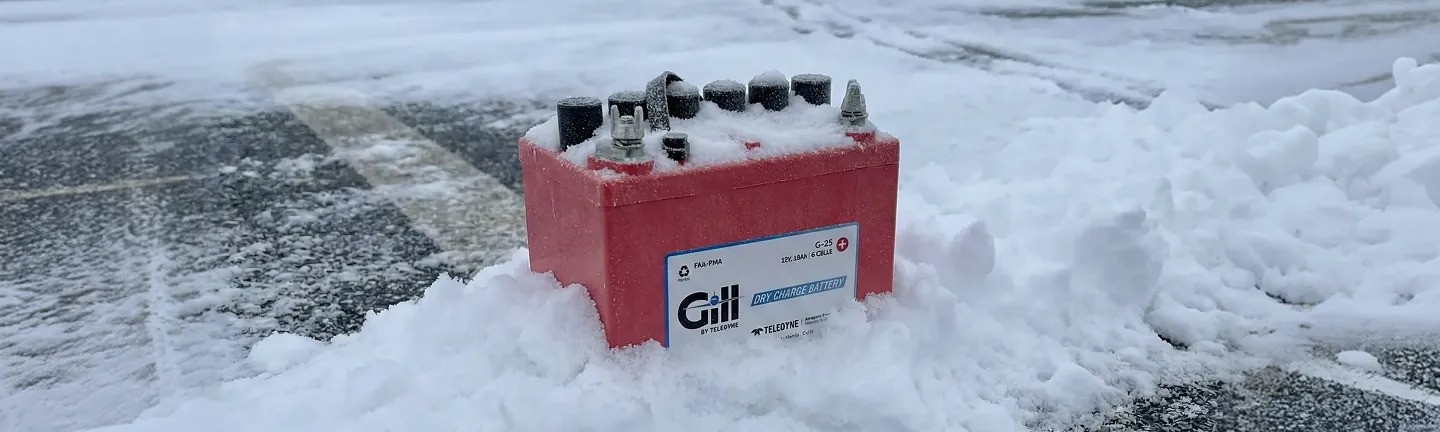
- Batteries are the most critical component to monitor. Key practices include regular charging to prevent deep depletion, monthly water level checks, terminal cleaning to prevent corrosion, and prompt identification and replacement of bad cells.
- Hydraulic system health depends on clean fluid, leak-free hoses and cradle cylinders, serviceable filters, and properly functioning pressure and winch switches – all of which should be inspected and tested regularly.
- Keeping critical spare parts on hand minimizes downtime when components fail: controllers, strut and winch straps, winch and cradle switches, battery quick disconnects, fuses, diodes, relays, hydraulic filters, and the deadman safety switch.
- PJi supplies JetPorter and Lektro electric towbarless tug parts and maintenance tools, and provides full-service repairs at its service center or on-site through its nationwide Mobile Service Team.
Electric towbarless tugs are invaluable tools for ground support operations, offering efficiency, reliability, and eco-friendly performance. Routine preventative maintenance is vital to keeping these tugs operating smoothly and avoiding excessive downtime.
By following a comprehensive maintenance routine, you can ensure the longevity of your tug while preventing costly repairs. In this article, we’ll explore why regular maintenance matters, the tools and spare parts you’ll need, and critical steps for keeping your electric towbarless tug in peak condition.
Why Is Regular Electric Towbarless Tug Maintenance Important?

Proper maintenance of your electric towbarless tug isn’t just about keeping the equipment operational; it’s also about safety, efficiency, and cost savings. A well-maintained tug:
- Reduces Downtime – Avoid unexpected failures that can delay operations.
- Improves Safety – Ensures all components function correctly, reducing the risk of accidents.
- Extends Equipment Lifespan – Regular care prevents excessive wear and tear, allowing your tug to last longer.
- Minimizes Costs – Preventative maintenance is far less expensive than emergency repairs or replacements.
By prioritizing regular maintenance, you can reduce disruptions to operations and keep your equipment ready for action.
What Tools Are Essential for Tug Maintenance?
Having the right tools is critical for efficient maintenance and troubleshooting. These tools enable you to pinpoint and address issues quickly:
- Multimeter – Diagnoses electrical issues and tests battery voltage to the 100th of a volt.
- Hydrometer – Useful for testing battery electrolyte levels and state of charge.
- Wire Brush – Keeps battery terminals clean and free of corrosion.
- Battery Filler – Precisely fills battery cells with distilled water.
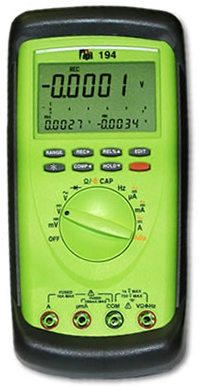
Equipping your team with these tools can streamline maintenance tasks, maximize uptime, and extend your tug's lifespan.
What Preventative Maintenance Steps Should You Take?
Regular preventative maintenance is critical to avoiding unexpected failures. Use this checklist to ensure your electric towbarless tug remains in excellent working condition:
1. Battery Maintenance
- Charge Regularly – Use a reliable battery charger to maintain optimal charge levels and prevent excessive depletion, which can damage cells.
- Inspect for Damage – Check for cracks, swelling, or leaks. Replace damaged batteries immediately.
- Monitor Water Levels – Check levels monthly and refill with distilled water as needed. Avoid overfilling to prevent corrosion.
- Clean Terminals – Use a wire brush to keep terminals free of corrosion, which can disrupt power flow and damage components.
2. Fluid Checks
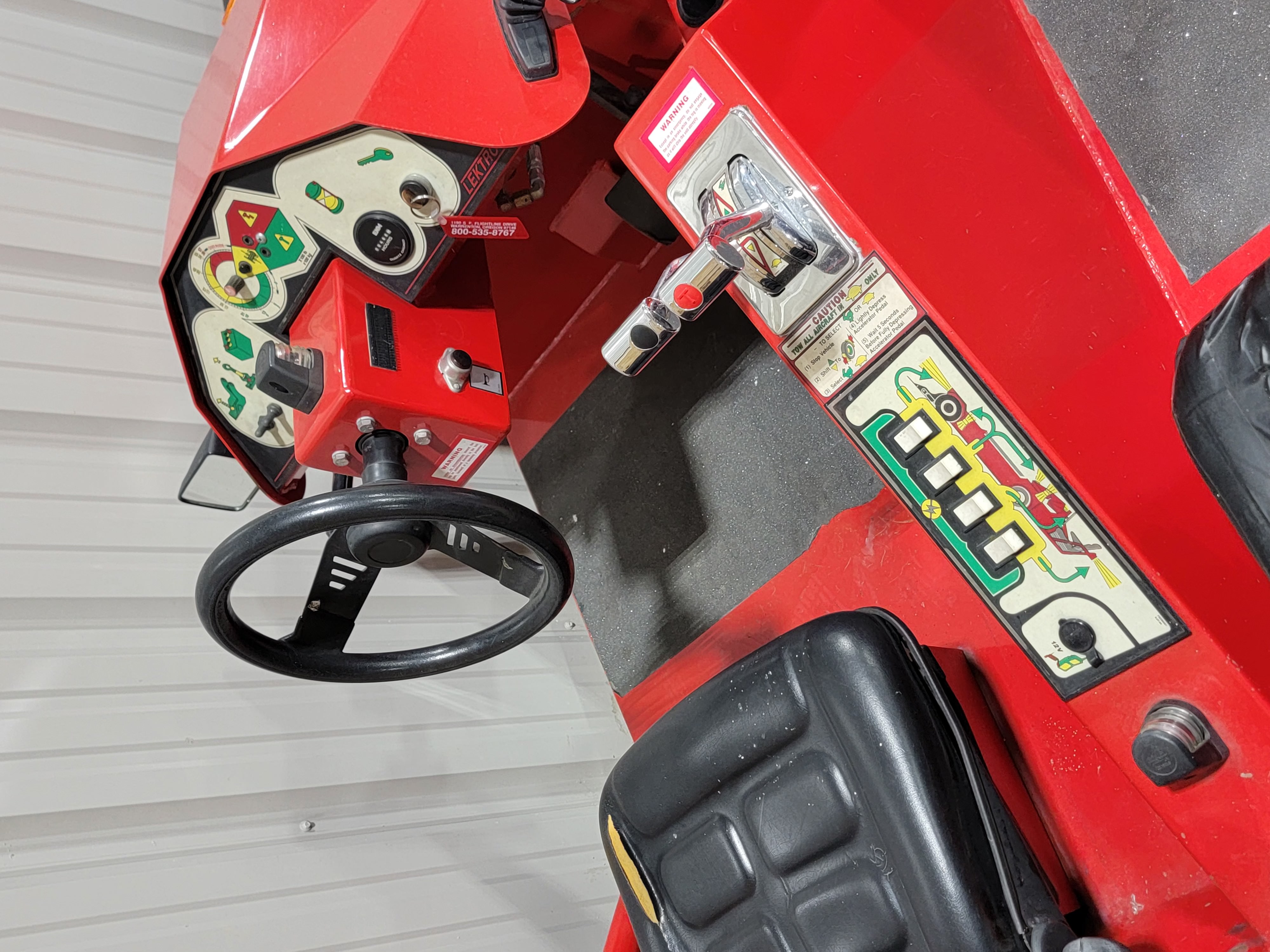
- Hydraulic Fluid – Inspect fluid levels and check for leaks around hoses and cradle cylinders. Look for signs of dry rot or wear on hydraulic hoses.
- Axle and Differential Fluid – Regularly check and top off these fluids as part of your maintenance routine.
3. Hydraulic System
- Replace Filters – Maintain clean fluid circulation by replacing hydraulic filters as needed.
- Test Switches – Confirm the proper operation of winch relief, pressure, and infrared switches to ensure system functionality.
4. Electrical Connections
- Inspect Connections – Check cables, quick disconnects, and other electrical connections for signs of wear, cracks, corrosion, or other damage.
Following this checklist can help catch minor issues before they escalate, saving time and money.
What Are Key Maintenance Tips for Electric Towbarless Tugs?
In addition to routine checks, these targeted maintenance tips can keep your tug operational and extend its lifespan:
Battery Care
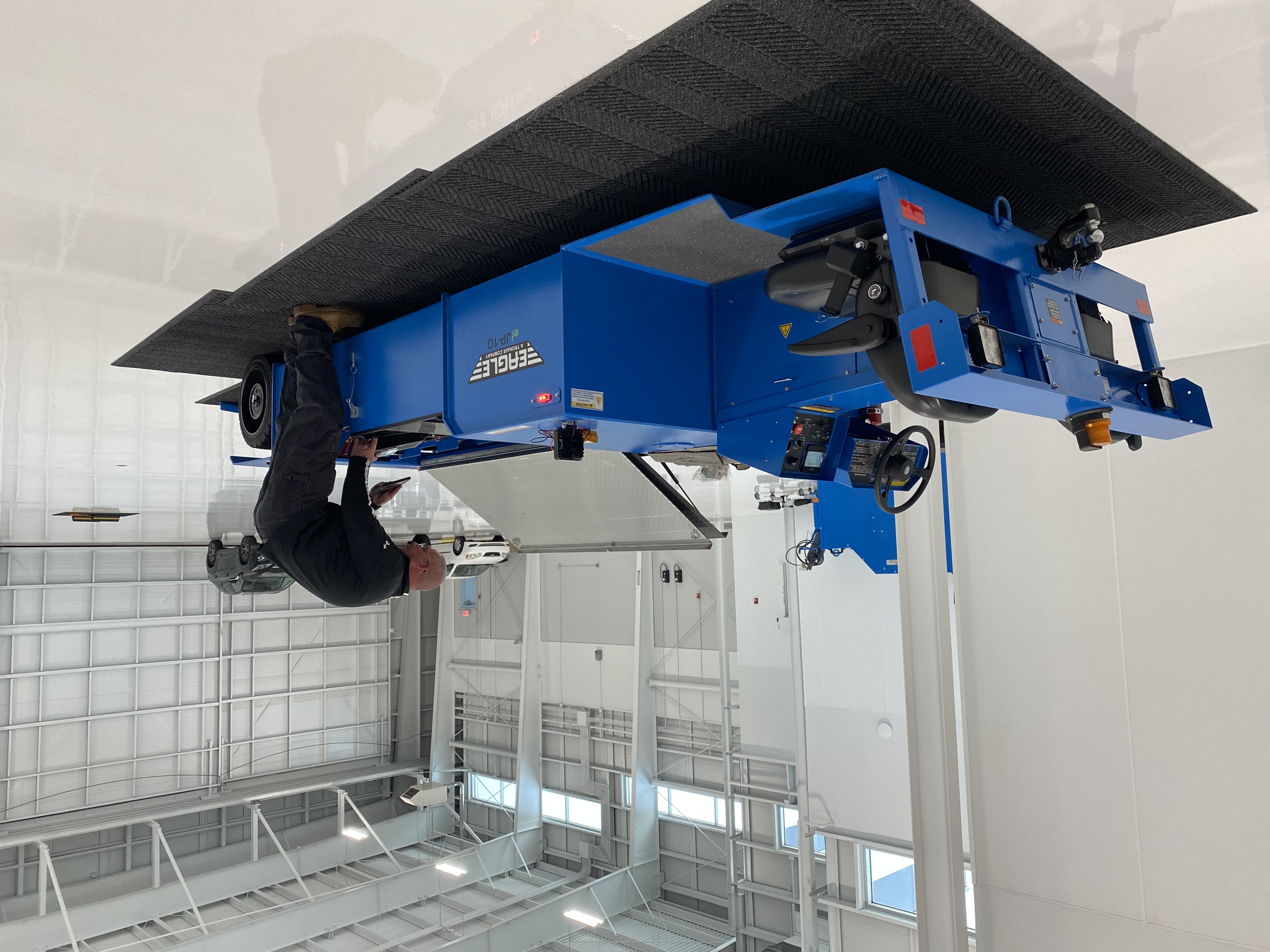
Batteries are among the most critical components of an electric towbarless tug.
- Use a state-of-charge chart to monitor battery health.
- Identify and replace bad cells promptly to avoid rendering the battery inoperable.
- Address low-voltage issues quickly, as some chargers may fail to recognize extremely depleted batteries.
Hydraulic System
Proper hydraulic system maintenance is vital for safe operation.
- Inspect cradle cylinders and hoses for leaks or wear and replace any damaged components.
- Test all pressure-related switches to ensure proper functionality.
Regular Testing
Frequent testing of all critical systems, including switches, winches, and disconnects, can identify potential problems early. This proactive approach reduces downtime and enhances safety.
Which Spare Parts Should You Keep on Hand?

Even with diligent maintenance, parts will wear out over time. Having these essential spare parts readily available minimizes downtime and ensures operations run smoothly:
- Controller – This is the electronic brain of the tug. A failure here can immobilize the equipment.
- Strut and Winch Straps – Replace if frayed or worn to ensure secure handling.
- Winch/Cradle Switches – Test these switches frequently to ensure safe operation.
- Battery Quick Disconnects – Inspect for cracks or damage to maintain consistent power flow.
- Fuses, Diodes, and Relays – Keep spares on hand to replace any failed components.
- Hydraulic Filters – Replace clogged filters to maintain hydraulic performance.
- Deadman Switch – Ensure this critical safety feature functions properly at all times to prevent accidents.
With vital spare parts on hand, minor problems won’t snowball into major operational delays.

The Bottom Line
At Pilot John International® (PJi®), we understand the importance of keeping your tug in top condition. We offer a wide range of maintenance tools and replacement parts for JetPorter and Lektro electric towbarless tugs to help you Stay Flight-Ready®.
In addition, we offer routine maintenance and repairs for electric towbarless tugs at our state-of-the-art service center or conveniently at your location via our Mobile Service Team.
Whether you need troubleshooting advice or spare parts or want to upgrade to a brand new or reconditioned electric towbarless tug, our friendly and knowledgeable aviation specialists are here to help. Contact us today by phone, email, or chat to learn how we can support all your aircraft maintenance needs.