Corrosion Prevention 101: How to Protect Your Aircraft and Extend Its Lifespan
Key Takeaways
- Aircraft corrosion is far more than a cosmetic concern – left unchecked, it can weaken structural components, disrupt electrical systems, contaminate hydraulic and fuel lines, and ultimately ground an aircraft for costly repairs.
- The most dangerous forms of corrosion in aviation – including pitting, intergranular corrosion, and stress corrosion cracking – often develop below the surface or in hard-to-reach areas, making thorough and routine inspection essential.
- Aircraft operating near coastal or marine environments face elevated risk due to the highly corrosive combination of salt and moisture, making proactive anti-corrosion treatment especially important in these conditions.
- ACF-50 Anti-Corrosion Formula uses polar bonding technology to penetrate metal surfaces, displace moisture, and create an ultra-thin protective film that both prevents new corrosion and stops existing corrosion in progress – with protection lasting 12 to 18 months in most applications.
- Corrosion Block offers complementary protection through a hydrophobic, moisture-resistant barrier that works at the molecular level – and because it's fully nonconductive, it can be safely applied to electronics, circuit boards, and electrical connections.
- Pilot John International carries both ACF-50 and Corrosion Block as part of a comprehensive selection of aircraft consumables, with aviation specialists available to help operators find the right corrosion control solution for their fleet.
Aircraft owners and operators know that corrosion is more than just a cosmetic issue – it’s a serious threat that can compromise both performance and safety. In aviation, even the smallest signs of corrosion can lead to costly repairs and unplanned downtime, affecting the aircraft's lifespan and reliability.
In this article, we’ll break down the common causes and types of aircraft corrosion, examine its effects on safety and performance, and offer effective prevention solutions, including top products like ACF-50 Anti-Corrosion Formula and Corrosion Block.
What Causes Corrosion in Aircraft?
Corrosion in aircraft occurs when metals interact with environmental factors, especially oxygen and moisture, triggering chemical reactions that weaken and degrade metal surfaces. Factors like salt, temperature fluctuations, high humidity, and certain chemicals intensify this reaction.

Aluminum, steel, and other metals commonly used in aircraft construction are all susceptible to corrosion when exposed to these conditions. Aircraft operating near coastal or marine environments face an increased risk due to the highly corrosive combination of salt and moisture in the air.
Furthermore, temperature variations can create condensation on metal surfaces, adding moisture in confined or hard-to-reach areas where corrosion can go unnoticed. Aircraft often experience these conditions in varying degrees, making proactive corrosion prevention essential to ensure structural integrity and component longevity.
What Are the Most Common Types of Corrosion Found in Aircraft?
Corrosion takes many forms in aviation, each with unique effects on aircraft materials. Here are the most common types:
Uniform Corrosion
Uniform corrosion occurs when metal surfaces are consistently exposed to environmental factors such as moisture and oxygen, resulting in an even, widespread thinning of the material. This process, while often predictable and slow-moving, can compromise structural integrity over time if not managed. Regular inspections are essential to prevent this from developing into more severe weakening of aircraft components.
Pitting Corrosion
Pitting corrosion is one of the most aggressive forms, affecting small, isolated areas where contaminants, such as salt or dirt, accumulate. These tiny pits or holes deepen over time, making them especially dangerous because they can go unnoticed until significant damage has occurred. Pitting can cause leaks and is difficult to detect, making thorough cleaning and inspection critical.
Galvanic Corrosion
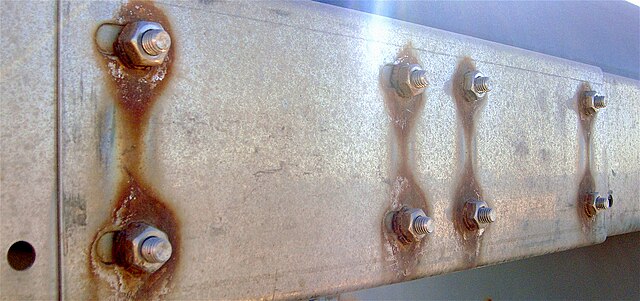
Galvanic corrosion occurs when two dissimilar metals, such as aluminum and steel, come into contact in the presence of an electrolyte, such as saltwater. This creates an electric cell where one metal acts as the anode and corrodes faster than the other. The severity depends on the metals involved and the environment, which is why careful material selection and isolation are key to preventing this type of corrosion.
Intergranular Corrosion
Intergranular corrosion occurs at the boundaries between metal grains, particularly in alloyed materials such as aluminum. It often starts below the surface, compromising the structural framework and leading to cracks that are difficult to detect. This type is particularly concerning as it can cause unexpected weaknesses within structural components, making alloy quality and inspections important.
Stress Corrosion Cracking (SCC)
Stress corrosion cracking occurs when a metal is simultaneously under tensile stress and exposed to corrosive agents, leading to rapid crack propagation. SCC is highly dangerous in high-stress areas, such as aircraft wings and fuselages, as cracks can lead to sudden, catastrophic failure. Preventative measures include minimizing stress loads on components and using materials resistant to specific corrosive agents.
How Can Corrosion Affect Aircraft Performance and Safety?
Corrosion is a serious hazard in aviation, as it can weaken critical aircraft structures and disrupt essential systems. When structural components degrade, the risk of fractures and failures increases, potentially leading to accidents or requiring the aircraft to be grounded for extensive repairs.
Electrical systems are also vulnerable, as corrosion on wiring or connectors can disrupt signals, causing system failures or unreliable data readings. Corrosion in fuel or hydraulic lines can contaminate fluids, potentially resulting in mechanical malfunctions mid-flight.
Corrosion on exterior surfaces, such as the aircraft’s skin or wings, can increase drag, reducing fuel efficiency and affecting maneuverability. The cumulative effect of unchecked corrosion can lead to decreased aircraft lifespan, increased operational costs, and heightened safety risks.
How Can Aircraft Corrosion Be Prevented?
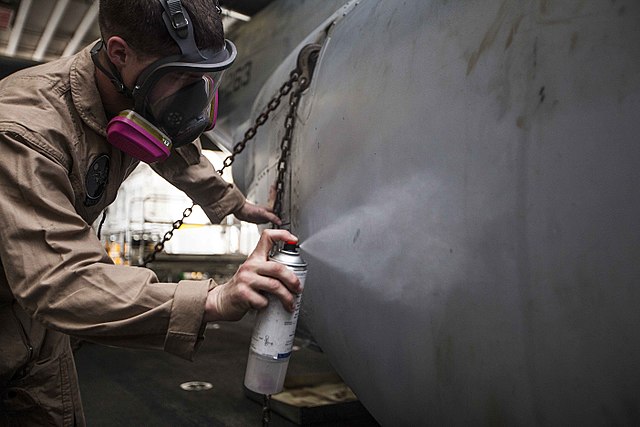
Preventing aircraft corrosion calls for proactive maintenance, with technicians prioritizing areas most vulnerable to environmental exposure, such as landing gear, flight control surfaces, and structural joints.
Moisture management is also essential to limiting corrosion formation and growth. Routine checks should include clearing drainage paths and removing any water accumulation.
Protective coatings should be inspected regularly and reapplied whenever necessary to maintain effective coverage. Additionally, isolating dissimilar metals where they come into contact can help prevent galvanic corrosion.
Finally, applying anti-corrosion products like ACF-50 and Corrosion Block creates a protective barrier on exposed aircraft surfaces, significantly reducing corrosion risk in vulnerable areas.
What Is ACF-50 Anti-Corrosion Formula?
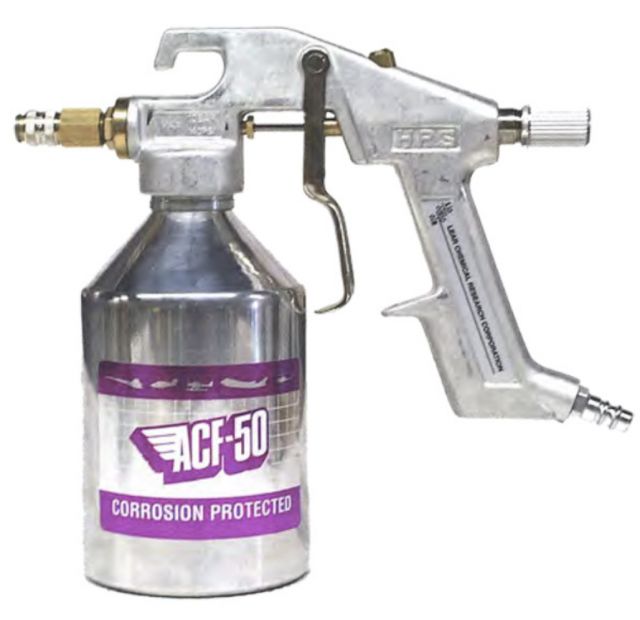
ACF-50 Anti-Corrosion Formula is a specially formulated product designed to protect aircraft metal surfaces from corrosion. Engineered with advanced polar bonding technology, this nontoxic, nonflammable chemical compound creates a protective barrier that not only prevents corrosion from forming but also stops corrosion in progress.
How Does ACF-50 Work to Prevent and Stop Corrosion?
ACF-50 forms an ultra-thin, active film that penetrates deeply into metal surfaces, displacing moisture and blocking oxygen and corrosive elements from reaching the metal. It neutralizes existing corrosion by pulling trapped moisture to the surface so it can evaporate.
Additionally, ACF-50 acts as a light lubricant, reducing friction and wear over time by minimizing metal-to-metal contact. This helps extend the lifespan of aircraft components and enhances operational smoothness.
What Surfaces Can ACF-50 Be Used On?
ACF-50 is designed for use on a variety of aircraft surfaces, particularly those exposed to corrosion-prone environments. It can be applied to all metal surfaces, both exterior and interior, including critical structural components, battery terminals, electrical connectors, avionics systems, and mechanical joints.
Its unique formula is safe to use around sensitive areas, such as avionics and electrical systems, because it does not conduct electricity or interfere with delicate equipment. ACF-50 is commonly used on both painted and unpainted surfaces, as well as in hidden areas such as seams, lap joints, and around rivet heads, where moisture often accumulates.
How Long Does ACF-50 Last?
ACF-50 typically provides long-lasting corrosion protection for 12 to 18 months in most applications, depending on exposure levels and environmental conditions. In areas sheltered from heavy exposure, like interior components or less accessible spaces, it may remain effective for up to 24 months.
However, more exposed surfaces, such as those facing salt, rain, or debris, may require more frequent reapplication to maintain a strong anti-corrosion barrier. A simple way to check ACF-50’s effectiveness is to observe whether water beads on the surface, as this indicates the protective film is still actively repelling moisture.
What Is Corrosion Block?
Corrosion Block is another anti-corrosion product specifically designed for the long-term protection of metal surfaces. This clean, ultra-thin fluid creates a protective layer that prevents corrosion from forming while stopping existing corrosion in its tracks.
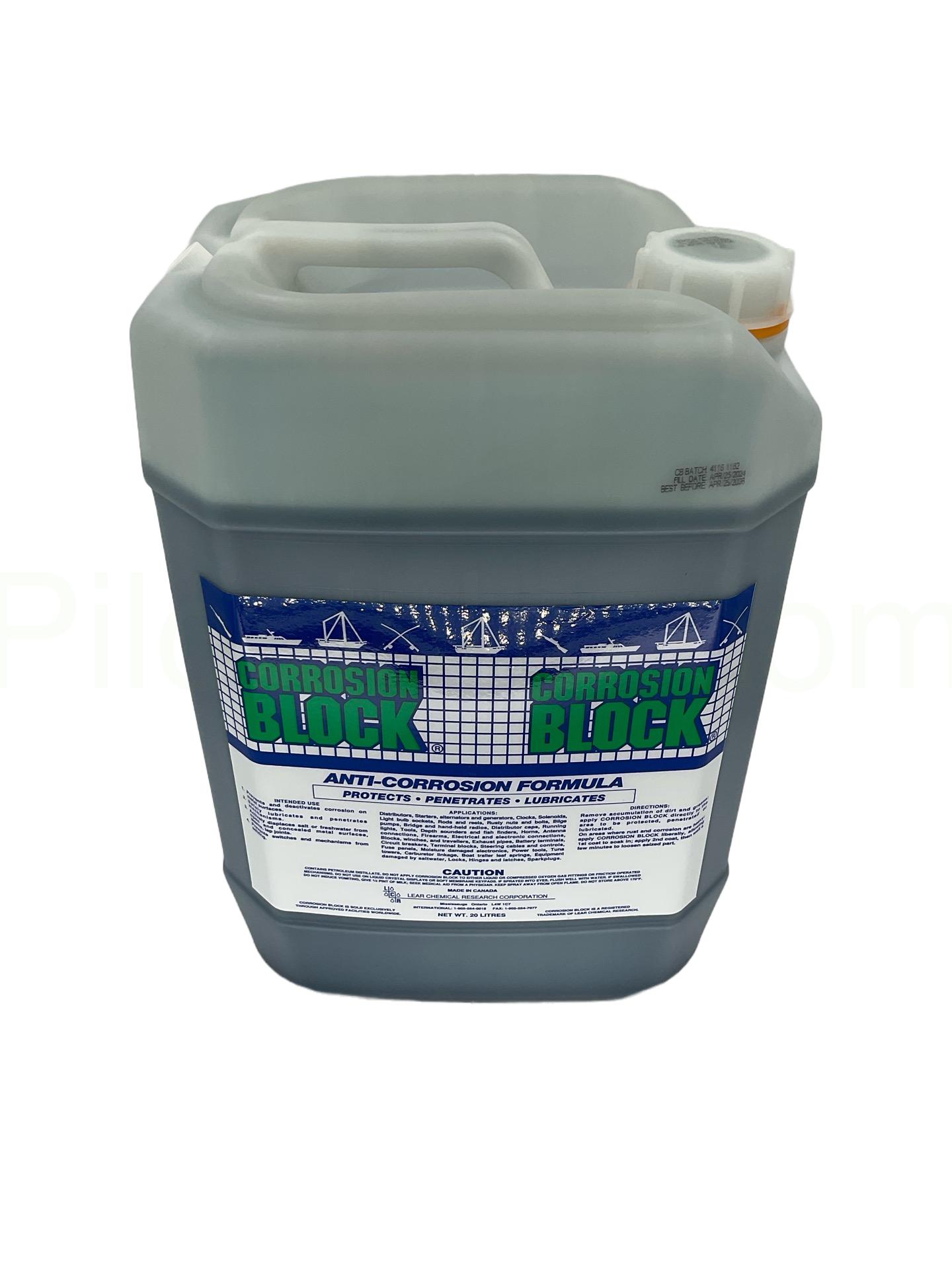
Its advanced formula acts as a powerful shield, penetrating deep into metal surfaces to eliminate moisture and create a hydrophobic barrier that prevents future corrosion. Often used in conjunction with ACF-50, Corrosion Block enhances overall corrosion protection, especially on aircraft components exposed to harsh environmental stressors, such as saltwater or high humidity.
How Does Corrosion Block Work?
Corrosion Block actively penetrates metal surfaces with synthetic additives, forming a durable, moisture-resistant barrier that prevents oxidation and corrosion at the molecular level.
Using advanced polar bonding technology, Corrosion Block pushes out corrosive elements such as saltwater, allowing trapped moisture to evaporate and isolating metal from oxygen and other corrosive agents. The resulting hydrophobic film effectively stops corrosion in its tracks and repels water, protecting against future damage.
Where Can Corrosion Block Be Applied on Aircraft?
Corrosion Block is ideal for use on external aircraft surfaces that are routinely exposed to harsh conditions, including landing gear, control cables, and engine components. Its versatility also makes it suitable for internal compartments that may be challenging to reach during routine maintenance, providing extra protection where corrosion often goes undetected.
Since Corrosion Block is completely nonconductive, it can be used safely on electronics, circuit boards, and connections. It’s equally safe for rubbers and plastics, so it won’t damage O-rings, gaskets, or other essential components.
How Long Does Corrosion Block Last?
Corrosion Block typically provides up to 18 months of corrosion protection, depending on environmental conditions and the specific application area. For areas less exposed to harsh elements, such as interior spaces or components with limited exposure, this barrier can remain effective for extended periods.
However, on exterior surfaces exposed to saltwater, humidity, or frequent washing, reapplication may be needed more frequently to maintain full protection. This versatility and long-lasting effect make Corrosion Block suitable for high-stress environments, providing a reliable shield against corrosion.
The Bottom Line
Corrosion prevention is a critical aspect of aircraft maintenance, essential for extending the life of your fleet and ensuring safe, reliable operations. Quality anti-corrosion products like ACF-50 and Corrosion Block can help shield your aircraft from the damaging effects of corrosion.
Pilot John International® (PJi®) offers a comprehensive selection of premium-quality aircraft consumables, including ACF-50 Anti-Corrosion Formula and Corrosion Block, to meet your specific aircraft maintenance needs. Reach out to our knowledgeable aviation specialists to learn more about how PJi can help you Stay Flight-Ready® at all times!