Essential Aviation Tools for Aircraft Maintenance Pros
Key Takeaways
- Aviation tooling is a compliance issue as much as a practical one – using the correct calibrated, precision-grade tools is required to meet FAA, EASA, and manufacturer maintenance standards and ensure airworthiness.
- General-purpose automotive tools don't meet the tolerance, torque, and contamination requirements of aircraft maintenance – aviation-specific tools are engineered for the tighter specifications, sensitive materials, and safety-critical nature of aerospace work.
- A well-equipped aviation tool kit covers a broad range of hand tools – including sockets, torque wrenches, pliers, precision measuring instruments, cutting tools, and inspection tools – each playing a specific role across airframe, engine, and systems maintenance tasks.
- Diagnostic tools like multimeters, insulation resistance testers, and transponder testers are essential companions to hand tools, enabling technicians to verify electrical system integrity and confirm repairs before returning aircraft to service.
- Tool control is a safety imperative in aviation – a tool left inside an airframe can cause catastrophic in-flight failure, which is why Red Box tool kits use Shadow Foam inserts with clearly defined cutouts for fast, visual accountability at the end of every job.
- Pilot John International carries a full range of Red Box aviation tool kits – including emergency kits, avionics-specific sets, wheeled trolley cases, and tool cabinets – with aviation specialists available to help technicians find the right kit for their role, aircraft type, and environment.
Precision, accountability, and safety are the foundations of modern aircraft maintenance. Whether you're performing a routine inspection or an unscheduled repair, having the right aviation tools in your arsenal isn't just a matter of convenience – it’s a matter of compliance and crew/passenger safety.
For aircraft maintenance technicians working in today’s high-stakes environments, using the proper tool kit ensures each job is completed efficiently, accurately, and in compliance with regulatory standards. In this article, we’ll explore the role of aviation tooling, the key tools every maintenance pro should have, and how to choose the best aviation tool kits – featuring top-quality options from Red Box Tooling.
What Is Aircraft Tooling, and Why Is It Important?
Aircraft tooling refers to the specialized set of tools, fixtures, and diagnostic instruments used by aviation maintenance professionals to service airframes, engines, avionics, and electrical systems. These tools support a wide variety of procedures, from routine inspections to complex component replacements. Unlike general-purpose tools, aviation tools are built for precision, high durability, and compatibility with aerospace-grade materials.
Using the correct aircraft tools is essential to ensure compliance with FAA, EASA, and manufacturer maintenance standards. For aircraft maintenance technicians, access to the right aviation tool set can mean the difference between a grounded aircraft and a safe, airworthy machine. From mechanic tool sets to highly specialized aircraft sheet metal tools, aviation maintenance demands equipment that performs flawlessly, every time.
Why Do Specialized Aviation Tools Matter in Aircraft Maintenance?
General-purpose tools – such as those found in a basic automotive tool kit – simply don’t meet the unique demands of aviation maintenance. Aircraft systems are more sensitive to torque values, tolerances, and contamination risks. As a result, aviation mechanics must use calibrated measuring tools, insulated electrical tools, and non-marring materials to preserve component integrity and avoid regulatory violations.
For example, working on avionics requires insulated electrician tools that can safely interface with low-voltage systems. Similarly, airframe maintenance may require specialty rivet guns, torque wrenches, or measurement tools for tight-tolerance fits. Aviation tool kits offer these capabilities in a consolidated, field-ready format, reducing errors, streamlining workflows, and minimizing aircraft downtime.
What Tools Are Essential for Aircraft Mechanic Technicians?
There are many types of tools aircraft mechanics rely on daily – each suited to specific applications. Red Box aviation tool sets are designed to include most, if not all, of the essentials outlined below.
Sockets
Used for tightening and loosening bolts and fasteners in airframes and engine components. Available in both SAE and metric tool set configurations, sockets are a staple in any mechanic's toolbox.
Wrenches
From open-end to combination wrenches, these tools are essential for applying the right force to bolts without over-torquing, critical in both structural and systems work.
Torque Wrenches
Precision matters when torque values are specified in manuals. Torque wrenches ensure that fasteners are secured to exact specs, helping prevent mechanical failure or structural fatigue.
Cutting Tools
Cutting tools, such as aviation snips, box cutters, and hacksaws, are especially useful for trimming sheet metal, cutting safety wire, or modifying insulation during interior maintenance.
Keys
Allen keys, fold-out hex keys, and L-shaped keys allow mechanics to reach recessed fasteners on panels, avionics modules, and tight corners where larger tools can’t operate.
Hammers
Ball peen hammers, dead blow mallets, and soft-face hammers apply force to install or remove parts without damaging aircraft structures.
Measuring Tools
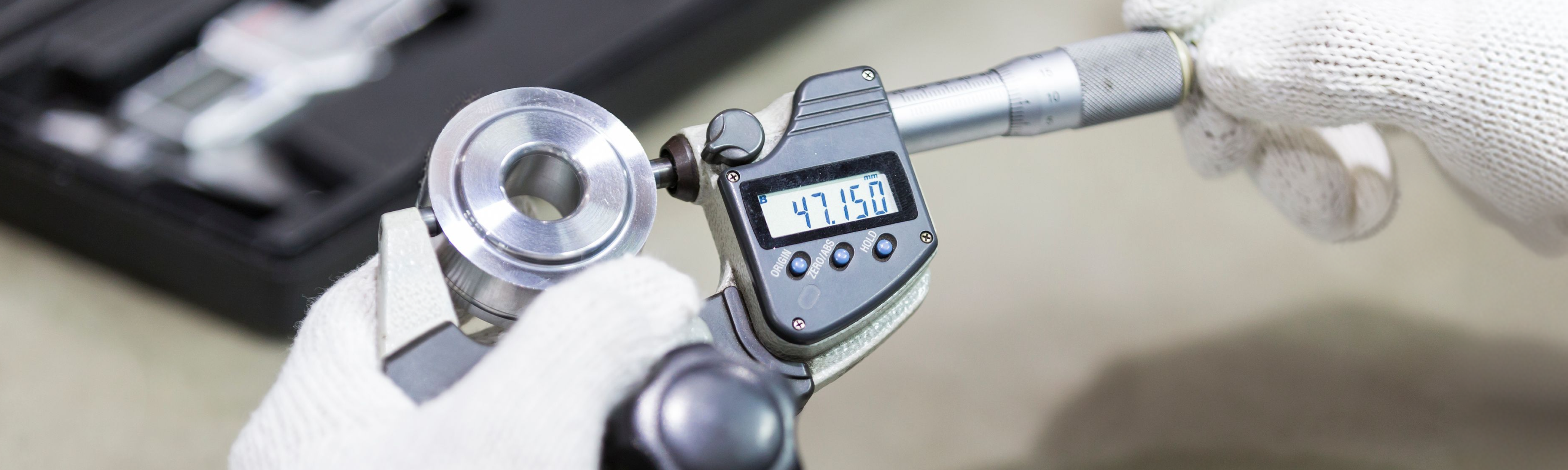
Precision measuring tools like calipers, rulers, micrometers, and laser levels ensure that parts are aligned, cut, or assembled to spec. Every measuring tool in an aircraft tool kit plays a role in airworthiness.
Pliers
Locking, needle-nose, and safety wire pliers are invaluable for electrical work, wire wrapping, and gripping components during removal or installation.
Files
Flat, mill, and half-round bastard files are used for finishing, deburring, and shaping parts, especially in aircraft sheet metal work.
Punches
Automatic center punches and drift punches are used to mark drill points and align components before fastener installation.
Screwdrivers
Flat-head and Phillips-head screwdrivers, often magnetized, are critical for accessing control panels, removing fasteners, or opening access panels.
Impact Drivers
Used for loosening seized or corroded screws, especially in aging aircraft or components exposed to moisture.
Inspection Tools
Flashlights, inspection mirrors, and borescopes allow aircraft mechanics to visually inspect difficult-to-reach or enclosed components.
Tool Cases or Cabinets
Mechanic tool sets housed in Shadow Foam-lined tool cases or tool cabinets ensure quick access and inventory control, especially in fast-paced environments when organization matters.
Red Box Tooling provides pre-designed aviation tool kits that include many of these components, helping ensure that aircraft maintenance professionals are equipped for almost any task.
How Do Diagnostic Tools Support Aircraft Maintenance?
Beyond hand tools, today’s aircraft maintenance also depends on diagnostic and testing equipment. Multimeters, for instance, allow technicians to measure voltage, current, and resistance during electrical system troubleshooting. Transponder and radio testers ensure reliable communication systems, while insulation resistance testers verify the integrity of wire insulation throughout the aircraft.
These electrical and measurement tools are essential for maintaining compliance with safety standards and manufacturer specs. Whether included in an electrician tool set or used independently, diagnostic tools empower aviation maintenance technicians to identify problems early and verify that repairs are effective before return to service.
What Types of Avionics Tool Kits Are Available?
When it comes to avionics maintenance, aviation tool kits must offer precision, organization, and compatibility with advanced aircraft systems. Red Box Tooling provides a wide selection of avionics-specific aviation tool kits, including general avionics kits, metric and imperial versions for global compatibility, and mobile avionics tool kits for field-based diagnostics. Each set is tailored to support accurate, efficient work across commercial and business aircraft applications.
For more specialized tasks, avionics measurement and maintenance tool kits include high-precision measuring tools for system verification and troubleshooting. Red Box also offers avionics tool cabinets for shop-based operations, combining tool control with expanded storage. Whether for mobile service or hangar use, these aviation tool kits are designed to deliver reliability, durability, and streamlined access to the tools avionics technicians need most.
Why Is Tool Control Critical in Aviation Maintenance?
Tool control is more than a best practice – it's a safety imperative. A missing screwdriver or dropped socket left inside an airframe can cause catastrophic failure mid-flight. That’s why aviation mechanics must account for every tool at every job’s end.
Tool sets from Red Box include Shadow Foam inserts with clearly defined cutouts, making it easy to visually confirm that tools have been returned. Some organizations go further with RFID or barcode tracking systems for aircraft maintenance tools. But even without high-tech solutions, using a mechanic tool set with organized storage greatly improves accountability.
What Features Should You Look for in Aviation Tool Sets?
When evaluating aviation tool sets, look for corrosion-resistant tools, ergonomic grips, and durable storage solutions. Foam cutouts should resist oil, fuel, and Skydrol – common contaminants in aviation.
Additionally, metric and SAE coverage is a must. The best all-purpose tool kits for aviation will also include electrician tools, precision measuring tools, and aviation-specific accessories such as safety wire pliers or aircraft sheet metal tools. Organization is just as important as tool selection – structured layouts help eliminate tool loss and downtime.
How Can You Choose the Right Aircraft Maintenance Tools?
Choosing the right aircraft maintenance tools depends on your role, aircraft type, and operational environment. For example, general aviation techs may need a basic tool kit, while turbine engine mechanics may require specialized diagnostic tools and high-torque sockets.
Start with a durable mechanic tool box built for your environment – whether it’s hangar-based or mobile. Consider portability, foam organization (like Shadow Foam), compatibility with aviation tooling standards, and whether your team needs standardized sets. Red Box tools meet these needs with pre-assembled tool kits tailored for aviation maintenance tasks.
Why Choose Red Box for Aviation Tool Kits?
Red Box has become a globally trusted name in aviation tooling for a reason. Its pre-designed aviation tool sets offer comprehensive coverage for airframe, engine, and electrical work, with each tool housed in Shadow Foam for quick access and accountability.
Whether you're setting up a shop or building a mobile aviation tool set, Red Box tools deliver ergonomic design, rugged durability, and professional-grade performance. Pilot John International® (PJi®) offers a full range of Red Box aviation tool kits, including emergency kits, wheeled trolley cases, and tool cabinets.
The Bottom Line
Having the right tools isn’t optional in aircraft maintenance – it’s essential for compliance, safety, and efficiency. From precision measuring tools to comprehensive electrician tool kits, today’s aviation maintenance technicians need tool sets that are organized, reliable, and tailored for complex work.
PJi proudly supplies premium-quality Red Box aviation tool kits, trusted by professionals worldwide. If you need help finding the right aviation tool kit for your aircraft maintenance operations, our knowledgeable aviation specialists are ready to assist. Contact us by phone, email, or live chat today!