




Ram Air Turbine Testing: Tools, Methods, and Why It Matters
Key Takeaways
- A ram air turbine (RAT) is an emergency device that deploys from the fuselage or wing when an aircraft loses primary power, using airstream-driven blades to generate electrical or hydraulic power for essential systems – saving more than 2,400 lives over the past five decades.
- When deployed, the RAT spins a generator or hydraulic pump via the aircraft's forward motion, producing the power needed to operate essential systems for a safe emergency landing – not the full aircraft.
- Because RATs rarely activate in service, regular testing is essential to confirm they'll deploy and perform correctly when needed – a requirement under FAA and EASA regulations for all emergency systems.
- RAT testing requires specialized equipment – including test units, ground test motors, pressure monitoring boxes, actuator adjustment tools, and protection cages – each serving a specific role in simulating deployment and verifying performance.
- Common issues caught during testing include deployment failures, reduced power output, insufficient hydraulic pressure, and turbine blade wear or damage – all addressable when caught early through routine testing.
- PJi offers a full selection of RAT tools and test equipment from Tronair, backed by expert support to keep your maintenance program flight-ready.
When an aircraft loses its primary power sources, the ram air turbine (RAT) is what keeps essential systems running. This small, turbine-driven emergency device deploys from the fuselage or wing and uses the airstream generated by the aircraft's forward motion to power flight controls, hydraulic systems, and communications until the crew can safely land. Rarely activated in service, the RAT is one of the most consequential pieces of equipment on board – a fact underscored by Collins Aerospace's figure of more than 2,400 lives saved by RAT deployments over the past five decades.
Because the RAT activates so infrequently, regular testing is the only reliable way to confirm it will perform correctly when it's actually needed. FAA and EASA regulations mandate routine inspection and functional testing of emergency systems, including RATs – and that testing requires specialized equipment purpose-built for the task, from units that simulate deployment to pressure monitoring tools and protection cages. In this article, we'll cover how the ram air turbine works, why regular testing is essential, the specialized tools used to carry it out, and the common issues that testing is designed to detect.

The Ram Air Turbine: Its Function and Placement
A ram air turbine is a turbine-driven emergency device – typically housed in the fuselage or wing – designed to provide electrical or hydraulic power when an aircraft experiences a complete loss of primary power, such as an engine failure or major electrical malfunction. During normal flight, it remains retracted and out of the airstream. When a total power failure occurs, the RAT deploys automatically or is extended manually by the crew, providing sufficient power to maintain the flight controls, hydraulic systems, and communications needed for a safe emergency landing.
Once a feature primarily found on military aircraft, RATs are now standard equipment on most modern commercial airliners. Though not designed to restore full aircraft power, the ram air turbine's ability to keep critical systems operational during an emergency makes it one of the most important backup systems on board.
How the Ram Air Turbine Generates Emergency Power
When triggered by a sudden loss of electrical power or hydraulic pressure, the RAT deploys from its storage compartment and extends into the airstream. The forward motion of the aircraft drives airflow across the turbine blades, which spin to power either a generator or a hydraulic pump – depending on the aircraft's system configuration. This provides the electrical current or hydraulic pressure needed to operate essential systems, including flight controls, communications, and navigation equipment, keeping the aircraft manageable until the crew can land.
Power output scales directly with airspeed: the faster the aircraft is flying at the time of deployment, the more energy the RAT generates. This relationship between airspeed and output is an important consideration during ground testing, where technicians must simulate in-flight conditions to verify that the system will produce adequate power across the expected operating range.

The Case for Regular Ram Air Turbine Testing
A ram air turbine that has never been verified in service is an untested assumption. Because the RAT is so rarely activated during normal operations, there is no routine operational feedback to confirm it will deploy and perform correctly in an actual emergency – which makes scheduled testing the only reliable mechanism for verifying readiness.
FAA and EASA regulations specifically mandate routine inspection and functional testing of emergency systems, including RATs, as part of standard aircraft maintenance programs. Catching a developing issue – whether a mechanical problem with the deployment actuator, degraded power output, or blade damage – during a scheduled test is far preferable to discovering the failure at the moment the system is needed most.
Benefits of RAT Tools and Test Equipment
Purpose-built RAT testing tools make it possible to evaluate the full range of the system's performance – from deployment mechanics to power output and hydraulic pressure – in a controlled maintenance environment. For maintenance teams responsible for keeping emergency systems airworthy, the case for proper RAT testing equipment rests on three straightforward benefits:
- Enhanced Aircraft Safety – Regular testing confirms the RAT is ready to deploy and operate correctly in an emergency. Testing identifies issues that could prevent the turbine from generating the required power, reducing risk to the aircraft and those on board.
- Prevention of Mechanical Failures – Testing tools detect early signs of wear, degradation, or mechanical malfunction. Catching these problems during routine maintenance allows technicians to make repairs before a RAT issue becomes a serious safety hazard.
- Compliance with Maintenance Standards – Regulatory agencies, including the FAA and EASA, require routine inspection and testing of emergency systems, including ram air turbines. Proper testing tools support compliance with these requirements as a non-negotiable part of any airworthiness maintenance program.
Tools and Equipment Used for Ram Air Turbine Testing
Testing an aircraft ram air turbine requires specialized equipment designed to simulate the conditions under which the RAT would actually deploy and to verify its performance against the parameters that matter in an actual emergency. The following tools each address a specific aspect of that evaluation.
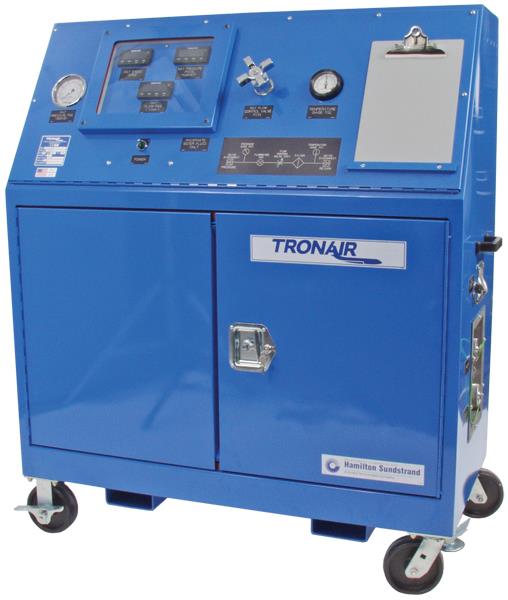
Ram Air Turbine Test Unit
The RAM air turbine test unit monitors RAT performance by simulating deployment and measuring key parameters – including flow, pressure, and turbine speed – to confirm that the system can generate sufficient power to support critical flight systems in an emergency. Testing these parameters against specifications provides quantifiable verification of RAT readiness.
Ground Test Tools
Also called ground test motors or back-drive motors, these tools simulate the RAT's in-flight operation during ground testing by back-driving the turbine with a hydraulic motor powered by a hydraulic cart. They replicate the load conditions the RAT would experience in flight, allowing technicians to verify that the turbine operates as designed and delivers the required hydraulic pressure output.
Ground Test Tool Pressure Monitoring Box
The ground test tool pressure monitoring box is a lightweight, portable unit that monitors and displays inlet and discharge pressures at the ground test tool by connecting to pressure transducers on the RAT back-drive assembly. It provides accurate, real-time pressure data throughout the test sequence.
Actuator Adjustment Tools
Actuator adjustment tools are used to set the RAT's stowed position, ensuring it is correctly preloaded and ready for deployment. Proper stowage and alignment are critical – a RAT that isn't correctly preloaded may not extend fully or quickly enough when the system is called upon in an actual emergency.
RAT Protection Cage
The RAT protection cage is placed around the deployed turbine during ground testing to protect maintenance personnel from contact with the rapidly spinning blades. It provides a necessary safety barrier that allows technicians to monitor and evaluate the RAT's performance without exposure to rotating components.

Common Issues Found During RAT Testing
Several problems may be identified during RAT testing, and early detection is what separates a resolvable maintenance finding from a failure during an actual emergency. Regular testing is specifically designed to surface the following issues before they become critical:
- Deployment Failures – The RAT may fail to deploy correctly due to mechanical issues with the actuator arms or obstructions in the storage compartment. Actuator adjustment tools help resolve alignment and functionality problems that can prevent full, reliable deployment.
- Reduced Power Output – Wear on the turbine blades, generator, or hydraulic pump can reduce the RAT's output over time. Testing identifies these deficiencies and helps technicians determine whether repair or component replacement is the appropriate corrective action.
- Hydraulic Pressure Issues – For RATs that power hydraulic systems, insufficient pressure can lead to a loss of flight control capability. Pressure-monitoring tools verify that the RAT is producing adequate hydraulic output across its operating range.
- Blade Wear and Damage – The turbine blades must remain in good condition to generate the power the system is designed to deliver. Testing creates the opportunity to inspect blades for wear, corrosion, or physical damage that could compromise RAT performance in service.

The Bottom Line
Ram air turbines are among the most important emergency backup systems on any aircraft – and their rarity of activation in service makes regular, thorough testing all the more essential. A RAT that hasn't been verified to deploy and perform correctly isn't a reliable safety net; it's an assumption. Catching mechanical issues, output degradation, and deployment problems during routine maintenance is what keeps this critical system ready when it matters most.
Pilot John International® (PJi®) offers a comprehensive selection of RAM air turbine tools and test equipment from Tronair, including RAM air turbine test units, ground test motors, pressure monitoring boxes, actuator adjustment tools, and protection cages – everything a maintenance team needs to conduct thorough, compliant RAT testing.
Our aviation specialists are ready to help you identify the right equipment for your aircraft and maintenance program. Call, email, or chat with us today to get started.
Frequently Asked Questions
What is a ram air turbine (RAT), and when does it activate?
A ram air turbine is a small, turbine-driven emergency device mounted in the fuselage or wing of an aircraft that deploys when the aircraft experiences a complete loss of primary electrical or hydraulic power. It can be deployed automatically by the aircraft's systems or manually by the flight crew. Once extended into the airstream, the turbine blades spin using the energy of the aircraft's forward motion to power essential systems until a safe landing can be completed.
Can a ram air turbine power the entire aircraft?
No – the ram air turbine is not designed to restore full aircraft power. It is sized to provide only the electrical or hydraulic output needed to operate the most critical flight systems: flight controls, essential communications, and navigation equipment. This is sufficient to allow the crew to maintain control of the aircraft and execute an emergency landing, but it does not support normal aircraft operations.
How is a ram air turbine deployed?
The RAT is typically deployed automatically when aircraft systems detect a complete loss of primary power, though most aircraft also include a manual deployment capability accessible to the flight crew. Once released, the RAT extends into the airstream and begins generating power within seconds. The speed of initial power generation depends on the aircraft's airspeed at the time of deployment.
How often should a ram air turbine be tested?
Testing intervals for ram air turbines are defined by aircraft manufacturer maintenance manuals and applicable regulatory requirements. FAA and EASA both mandate routine inspection and functional testing of emergency systems as part of standard maintenance programs. For most commercial aircraft, RAT testing occurs at defined maintenance check intervals and requires specialized ground test equipment to simulate in-flight deployment conditions.
What is the purpose of a ground test motor (back-drive motor) in RAT testing?
A ground test motor, also called a back-drive motor, simulates the aerodynamic loading the RAT would experience in flight by hydraulically driving the turbine from a ground support cart. This allows technicians to verify that the RAT's generator or hydraulic pump produces the specified output under representative load conditions – something that can't be assessed by simply deploying the RAT on the ground without airflow.
What happens if a ram air turbine fails to deploy in an emergency?
If the RAT fails to deploy when primary power is lost, the aircraft loses its last source of emergency-generated power. Depending on the aircraft, this can result in loss of fly-by-wire flight control input, loss of hydraulic pressure for control surface actuation, and loss of essential avionics. This is why regular deployment testing – including verification of the actuator mechanism and correct stowage preload – is a non-negotiable part of RAT maintenance.
Is RAT testing a regulatory requirement?
Yes. Both the FAA and EASA require routine inspection and functional testing of emergency systems, including ram air turbines, as part of an aircraft's approved maintenance program. Specific testing requirements and intervals are defined in the aircraft's maintenance manual and applicable airworthiness directives. Failure to comply with these requirements can affect the aircraft's airworthiness certificate and eligibility for continued operation.