




From Deployment to Testing: A Comprehensive Guide to Ram Air Turbines (RATs)
Key Takeaways
- A ram air turbine (RAT) is a small, turbine-driven emergency device that deploys from the fuselage or wing when an aircraft loses primary power, using airstream-driven blades to generate electrical or hydraulic power for essential systems. According to Collins Aerospace, RATs have saved more than 2,400 lives over the past five decades.
- The RAT extends into the airstream and spins a generator or hydraulic pump using the aircraft's forward motion – meaning the faster the aircraft is flying, the more power it produces. It is not designed to power the entire aircraft, only the systems needed for a safe emergency landing.
- Because RATs are rarely activated in service, regular testing is critical to confirm they'll deploy and perform correctly when needed. FAA and EASA regulations require routine inspection and testing of emergency systems, including RATs.
- RAT testing requires specialized equipment – including RAM air turbine test units, ground test tools (hydraulic back-drive motors), pressure monitoring boxes, actuator adjustment tools, and protection cages – each serving a specific role in simulating deployment and verifying performance.
- Common issues caught during testing include deployment failures, reduced power output, insufficient hydraulic pressure, and turbine blade wear or damage – all of which are addressable when caught early through routine testing.
- PJi offers a full selection of RAT tools and test equipment from Tronair, backed by expert support to keep your maintenance program flight-ready.
Aircraft are equipped with numerous redundant systems to ensure safety, particularly in emergency situations. One critical backup system is the ram air turbine (RAT), a small, unassuming piece of equipment that plays a vital role when the unexpected happens.
When an aircraft loses its primary power sources, the RAT deploys and generates power to keep essential systems running. This emergency device helps maintain crucial flight controls, hydraulic systems, and communication devices until a safe landing is possible. However, ensuring the effectiveness of a RAT requires more than just trusting its design; it demands regular testing and maintenance using specialized tools.
In this comprehensive guide, we’ll delve into the critical role of the aircraft ram air turbine, how it functions, why regular testing is essential, and the various RAT tools and test equipment used to ensure it is always ready when needed.
What Is a Ram Air Turbine in an Aircraft?

A ram air turbine is a small, turbine-driven generator designed to provide emergency electrical or hydraulic power when an aircraft experiences a complete loss of primary power, such as an engine failure or electrical malfunction.
Typically housed in the aircraft's fuselage or wing, the RAT remains retracted during normal flight and can be deployed manually by the crew or automatically in the event of a total power loss. Though it is not designed to power the entire aircraft, the ram air turbine serves as a vital lifeline, providing sufficient power to land the aircraft safely in emergency situations.
Common in military aircraft, RATs have also become standard in many modern commercial airliners. According to Collins Aerospace, ram air turbines have saved more than 2,400 lives over the past five decades, underscoring their importance to aviation safety.
How Does a Ram Air Turbine Work?
When triggered by a sudden loss of electrical power or hydraulic pressure, the aircraft ram air turbine deploys from its storage location and extends into the airstream.
The airflow generated by the aircraft’s forward motion spins the turbine blades, which are connected to either a generator or a hydraulic pump, depending on the aircraft's system configuration. This allows the RAT to provide the power needed to operate essential aircraft systems, such as flight controls, communications, and hydraulics, keeping the plane operational until the pilot can safely land.
The amount of power generated by the ram air turbine is directly influenced by the aircraft’s speed at the time of its usage. The faster the plane is flying, the more power the RAT will produce.
Why Is It Important to Test Ram Air Turbines?

Ensuring the ram air turbine functions properly is crucial to maintaining aircraft safety during an emergency. Since the RAT is rarely activated, regular testing is essential to ensure it will perform reliably when needed. Failure to test and maintain a ram air turbine can lead to system malfunctions at the worst possible time – during an emergency situation when primary power sources have already failed.
Benefits of RAT Tools and Test Equipment
- Enhanced Aircraft Safety – Regular testing of RATs ensures that they are ready to deploy and operate correctly in an emergency. Testing helps identify any issues that could prevent the turbine from generating the required power, thereby minimizing risk to the aircraft and passengers.
- Prevention of Mechanical Failures – Testing tools help detect early signs of wear, degradation, or mechanical malfunction. By catching these problems early, aircraft maintenance technicians can make repairs before a RAT failure becomes a serious safety hazard.
- Compliance with Maintenance Standards – Regulatory agencies such as the FAA and EASA require regular inspections and testing of emergency systems, including ram air turbines. Testing ensures compliance with these regulations and contributes to overall flight safety.
By incorporating comprehensive RAT testing into routine maintenance procedures, airlines and aircraft operators can ensure the reliability of these emergency systems, ultimately safeguarding the lives of everyone on board.
What Tools Are Used to Test a Ram Air Turbine?
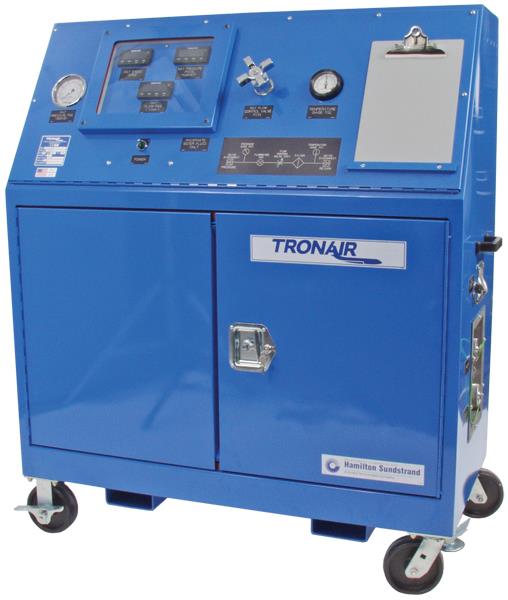
Testing an aircraft ram air turbine requires specialized tools designed to simulate the conditions in which the RAT would be deployed. These tools ensure that aircraft maintenance technicians can thoroughly inspect and evaluate every aspect of the turbine’s functionality. Common tools used for RAT testing include:
- Ram Air Turbine Test Unit – This unit monitors RAT performance by simulating deployment and measuring key data such as flow, pressure, and turbine speed. Testing these parameters ensures the ram air turbine is functioning correctly and can generate sufficient power to support critical flight systems in emergency situations.
- Ground Test Tools – Also called ground test motors, these tools simulate the RAT’s operation during ground testing by back-driving it with a hydraulic motor. Powered by a hydraulic cart, they replicate in-flight conditions to ensure the ram air turbine operates as expected and delivers the required hydraulic pressure when needed.
- Ground Test Tool Pressure Monitoring Box – This lightweight, portable unit accurately monitors and displays inlet and discharge pressures at the ground test tool by connecting to pressure transducers on the RAT back-drive assembly.
- Actuator Adjustment Tools – These tools are used to adjust the RAT’s stowed position so that it is correctly preloaded and ready for deployment during an emergency. Proper stowage and positioning are critical to ensuring the RAT will activate smoothly and reliably when needed.
- RAT Protection Cage – This is typically used during ground testing to ensure the safety of aircraft maintenance technicians working around the deployed RAT. The cage creates a barrier that prevents personnel from getting too close to the rapidly spinning turbine blades, ensuring safety during testing procedures.
Each of these specialized tools plays a crucial role in ensuring the ram air turbine performs optimally in an emergency, making regular RAT testing an essential part of aircraft maintenance.

What Are Some Common Issues Detected During Ram Air Turbine Testing?
Several issues may be detected during RAT testing, and early detection is essential for preventing failures. Some of the most common issues include:
- Deployment Failures – Sometimes, the ram air turbine may fail to deploy correctly due to mechanical issues with the actuator arms or obstructions in the compartment. Testing equipment, such as actuator adjustment tools, can help resolve these issues by ensuring proper alignment and functionality.
- Reduced Power Output – Over time, wear on the turbine blades, generator, or hydraulic pump can reduce the RAT’s power output. Testing tools can detect these issues and help technicians decide whether to repair or replace the affected components.
- Hydraulic Pressure Issues – For ram air turbines that power hydraulic systems, insufficient hydraulic pressure can lead to a loss of flight control. Pressure-monitoring tools allow technicians to verify that the RAT is producing sufficient hydraulic power to maintain aircraft control.
- Blade Wear and Damage – The turbine blades must remain in good condition to function properly. During testing, technicians may detect signs of wear, corrosion, or damage to the blades that could impact the RAT’s performance.
By regularly testing and addressing these issues, technicians can ensure that the RAT remains reliable and ready for emergency use.
The Bottom Line

Ram air turbines are critical backup systems that provide power and hydraulic pressure during emergencies when an aircraft’s primary systems fail. Ensuring that these turbines are ready to deploy at a moment’s notice requires thorough, regular testing using specialized tools. From ram air turbine test units to actuator adjustment tools, each piece of equipment plays an essential role in maintaining aircraft safety and reliability.
Pilot John International (PJi®) offers a comprehensive selection of premium-quality RAT tools and test equipment from industry-leading manufacturers like Tronair. With our extensive inventory, fast shipping, and expert customer support, we provide everything your maintenance team needs to ensure you Stay Flight-Ready® at all times. Contact us today to learn more about our ram air turbine testing solutions and how we can support all your aircraft maintenance needs!