





How Aircraft Weight Scales Ensure Safe Flights
Key Takeaways
- Accurate aircraft weight data is foundational to safe operations – it informs takeoff performance calculations, center of gravity verification, payload planning, and fuel loading, all of which directly affect airworthiness and flight safety.
- Center of gravity must remain within a certified envelope for stable, controllable flight. Aircraft weight scales determine CG by measuring load distribution across the landing gear – a critical step before any flight, and especially after loading changes or modifications.
- The FAA requires aircraft to be weighed at defined intervals and after any modification that could affect empty weight or CG. Maintaining current, accurate weight and balance records is a regulatory requirement, not just a best practice.
- The three primary weighing system types – platform scales, top-of-jack scales, and under-axle systems – each suit different aircraft sizes, hangar configurations, and operational needs. Matching the right system to your operation is essential for accurate, repeatable results.
- PJi offers aircraft weighing systems from JAWS and Aero Weigh in wired and wireless configurations, with capacities ranging from 15,000 lbs to 300,000 lbs – covering everything from light aircraft to large commercial platforms.
Aircraft weight scales – also known as aircraft weighing systems – are specialized instruments used to accurately determine the weight of airplanes and helicopters across a range of configurations, including empty weight, operating weight, and maximum takeoff weight (MTOW).
Getting these measurements right is not optional. Weight data forms the foundation of safe flight planning, regulatory compliance, and long-term airframe health. From calculating runway performance to verifying the center of gravity before departure, accurate aircraft weighing is a fundamental discipline in aviation maintenance and operations.
In this article, we'll explore why aircraft weighing matters, the most common types of weighing systems in use today, and what to consider when selecting the right scales for your operation.
Ensuring Safe Takeoffs and Landings
An aircraft's weight affects nearly every phase of flight, but its influence is most critical at takeoff and landing. Even small discrepancies between estimated and actual weight can alter runway requirements, climb performance, and aircraft handling characteristics. Accurate weight data gives flight crews and dispatchers the information they need to operate safely from the moment the aircraft begins its takeoff roll.
Aircraft Weight and Takeoff Performance
An aircraft's weight directly affects its takeoff performance. Knowing the exact weight allows pilots and flight crews to calculate the required runway length, rotation speed, and climb rate for a safe departure. Heavier aircraft require more runway to accelerate to rotation speed and climb at shallower angles – a factor that becomes especially critical when operating from shorter runways or in high-density altitude conditions.
Center of Gravity Management
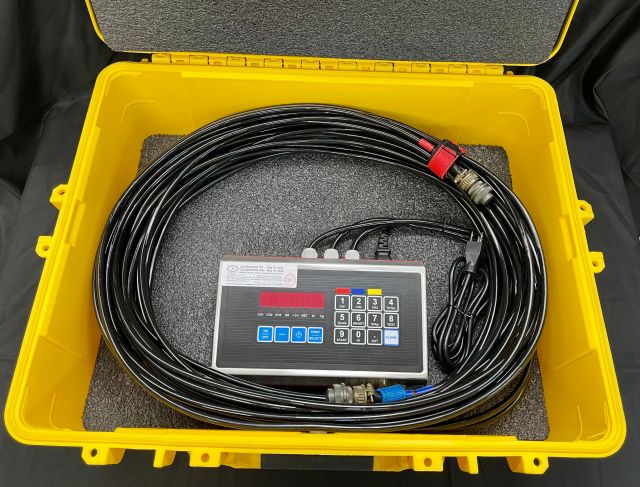
The center of gravity (CG) is the point at which the aircraft's total weight acts, and it must remain within a defined envelope for stable, controllable flight. Aircraft weight scales determine CG by measuring the weight distribution across each landing gear point. A CG that falls outside the approved envelope – whether too far forward or too far aft – can reduce controllability, degrade stability, or produce handling characteristics that exceed the aircraft's design limits.
Optimizing Payload and Fuel Efficiency
Beyond safety, accurate weight data plays a direct role in the economics of aircraft operations. Airlines, charter operators, and cargo carriers rely on precise weight measurements to maximize payload capacity, minimize fuel burn, and control operating costs. Imprecise or infrequent weighing leaves money on the table – and in some cases introduces unnecessary risk.
Payload Management
Precise weight data allows aircraft operators to calculate the maximum allowable cargo, passengers, and fuel for each flight, ensuring the aircraft operates within its certified weight limitations. For commercial operators, accurate payload management also affects revenue directly: knowing exact empty weight allows for more aggressive – and fully compliant – load planning on every departure.
Fuel Efficiency
Excess weight increases fuel consumption across every phase of flight. Accurate weight data allows operators to optimize fuel loading for each specific mission, reducing unnecessary fuel uplift and cutting direct operating costs. Over the course of a fleet's operational life, the cumulative savings from precise weight management can be substantial.
Maintaining Regulatory Compliance
Aviation is one of the most heavily regulated industries in the world, and aircraft weight is no exception. Regulatory agencies establish strict requirements for aircraft weighing to protect airworthiness and ensure consistent safety standards across all operators.
Aviation Regulations
The FAA mandates that aircraft be weighed at defined intervals and any time a modification is made that could alter the aircraft's empty weight or center of gravity. Maintaining accurate, current weight and balance records is a regulatory requirement under applicable FARs – not just a best practice – and is a core element of the airworthiness documentation for any certificated aircraft. Operators whose records are out of date or based on inaccurate data risk non-compliance during audits and, more importantly, may be operating outside the aircraft's certified weight envelope without knowing it.
Structural Integrity and Maintenance

An aircraft's structure is certified to withstand loads up to its maximum gross takeoff weight (MGTOW). Operating beyond these limits – even occasionally – introduces cumulative structural stress that can shorten the service life of the airframe and compromise the integrity of critical components over time.
Weight Limits for Long-Term Airframe Health
Each aircraft has a certified MGTOW that must not be exceeded in normal operations. Repeated overloading – even marginally – can accelerate fatigue in primary structures, stress the landing gear, and contribute to premature wear in control surfaces and structural attachment points. Accurate, regular weighing helps operators confirm the aircraft remains within its certified weight envelope and catch unexpected weight increases that may indicate undocumented modifications or accumulated equipment additions.
Weight Data for Maintenance
Accurate weight and balance records are also a practical requirement for certain maintenance procedures. Landing gear inspections, strut servicing, jacking operations, and structural repairs may all require current weight data to be performed correctly and safely.
Types of Aircraft Weighing Scales
Aircraft weighing systems are not one-size-fits-all. Different aircraft sizes, hangar configurations, and operational requirements call for different weighing approaches. The three primary types – platform scales, top-of-jack scales, and under-axle weighing systems – each offer distinct advantages depending on the application.
Platform Scales
Aircraft platform scales consist of large, flat platforms embedded with load cells – sensors that convert mechanical force into a measurable electrical signal. The entire aircraft taxis onto the platform, and the load cells measure the weight distribution across the landing gear to calculate the aircraft's total weight.
Modern platform scales use high-precision load cells and sophisticated software to deliver accurate measurements within tight tolerances. Many are designed with multiple weighing sections to accommodate aircraft of varying sizes, and some installations include platforms configured for different weight capacities depending on the aircraft types regularly serviced at that facility.
Top-of-Jack Scales

Top-of-jack scales are used when the aircraft is lifted at its designated jacking points – specific locations on the fuselage designed and reinforced for lifting during maintenance. High-precision load cells are placed on top of the jacks at each jacking point, and the system calculates the aircraft's total weight from the readings across all contact points.
Jack adapters – specially designed attachments that fit on top of existing jacks – provide a stable platform for the load cells. Some jacks include built-in mounting provisions, eliminating the need for separate adapters. Weight data from each load cell is displayed on a digital indicator and, in many modern systems, transmitted wirelessly to improve both convenience and ramp safety.
Under-Axle Weighing Systems
Under-axle weighing systems position hydraulic axle jacks at each of the aircraft's designated jacking points. Load cells integrated into the jacks measure the weight on each axle, and the system calculates total aircraft weight from those combined readings. These systems can quickly and accurately weigh aircraft across a wide range of sizes, including large commercial platforms such as the Boeing 737 and Airbus A320.
Factors to Consider When Choosing Aircraft Scales
Selecting the right aircraft weighing system requires matching the equipment to your specific aircraft types, operational environment, and usage frequency. The wrong choice can lead to inaccurate results, unnecessary operational complexity, or equipment that can't accommodate the aircraft you're servicing.
Aircraft Size and Type
The scales' capacity and physical configuration must match the aircraft's weight and landing gear geometry. A system rated for light general aviation aircraft won't serve an MRO handling regional jets or turboprops, and vice versa. Confirm that the system's total capacity and individual load cell ratings align with your heaviest expected aircraft before purchasing.
Portability vs. Permanence
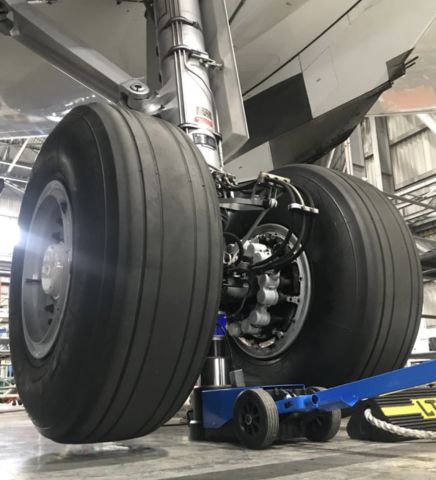
Portable aircraft scales are well-suited for operators who weigh infrequently or need to support aircraft across multiple locations. Permanent, pit-installed platform scales are more appropriate for high-throughput maintenance facilities where aircraft are weighed regularly, and the infrastructure investment is justified by the volume of use.
Wireless vs. Wired Systems
Wireless weighing systems offer greater operational flexibility – no cable runs across ramp or hangar floors – and are particularly practical in environments where tripping hazards or cable damage are concerns. Wired systems provide a stable, uninterrupted data connection and may be preferred in facilities with fixed installation points and reliable cable management infrastructure.
Accuracy Requirements
Different operations have different tolerance requirements. Civil aviation regulations specify accuracy standards for certified weight and balance records, while certain maintenance procedures may require even tighter tolerances. Verify that the system you select meets or exceeds the applicable regulatory and manufacturer accuracy requirements for your specific operation.
Ease of Use
A weighing system that is difficult to set up, calibrate, or interpret introduces the risk of operator error and slows down the weighing process. Look for systems with intuitive interfaces, clear documentation, and responsive technical support – especially if the equipment will be operated by personnel with varying levels of familiarity.

The Bottom Line
Pilot John International® (PJi®) offers a wide selection of aircraft weighing scales, in both wired and wireless configurations, from leading manufacturers in the industry, including Jackson Aircraft Weighing Systems (JAWS) and Aero Weigh.
Jackson Aircraft Weighing Systems' aircraft scales are currently available in the following weight capacities:
- 15,000 lbs (three 5,000-lb load cells)
- 30,000 lbs (three 10,000-lb load cells)
- 40,000 lbs (four 10,000-lb load cells)
- 45,000 lbs (three 15,000-lb load cells)
- 75,000 lbs (three 25,000-lb load cells)
- 100,000 lbs (four 25,000-lb load cells)
- 150,000 lbs (three 50,000-lb load cells)
- 300,000 lbs (three 100,000-lb load cells)
Aero Weigh offers aircraft weighing systems with these weight capabilities:
- 30,000 lbs (three 10,000-lb load cells)
- 40,000 lbs (four 10,000-lb load cells)
- 45,000 lbs (three 15,000-lb load cells)
- 75,000 lbs (three 25,000-lb load cells)
- 100,000 lbs (four 25,000-lb load cells)
- 150,000 lbs (three 50,000-lb load cells)
Whether you need platform scales, top-of-jack scales, under-axle weighing systems, or jack adapters to accompany these systems, PJi has you covered! If you have any further questions about the aircraft scales we carry, contact our friendly, knowledgeable aviation specialists for assistance. Call, email, or chat with us today!