How to Maintain Aircraft Batteries During Storage
Key Takeaways
- Unmaintained aircraft batteries degrade through three primary mechanisms during storage: self-discharge (natural capacity loss from internal chemical reactions), sulfation (lead sulfate crystal buildup on plates from prolonged deep discharge), and temperature damage from both extreme heat and cold.
- Before any extended storage period, fully charge the battery – a fully charged state is significantly more resistant to both self-discharge and sulfation than a partially charged one.
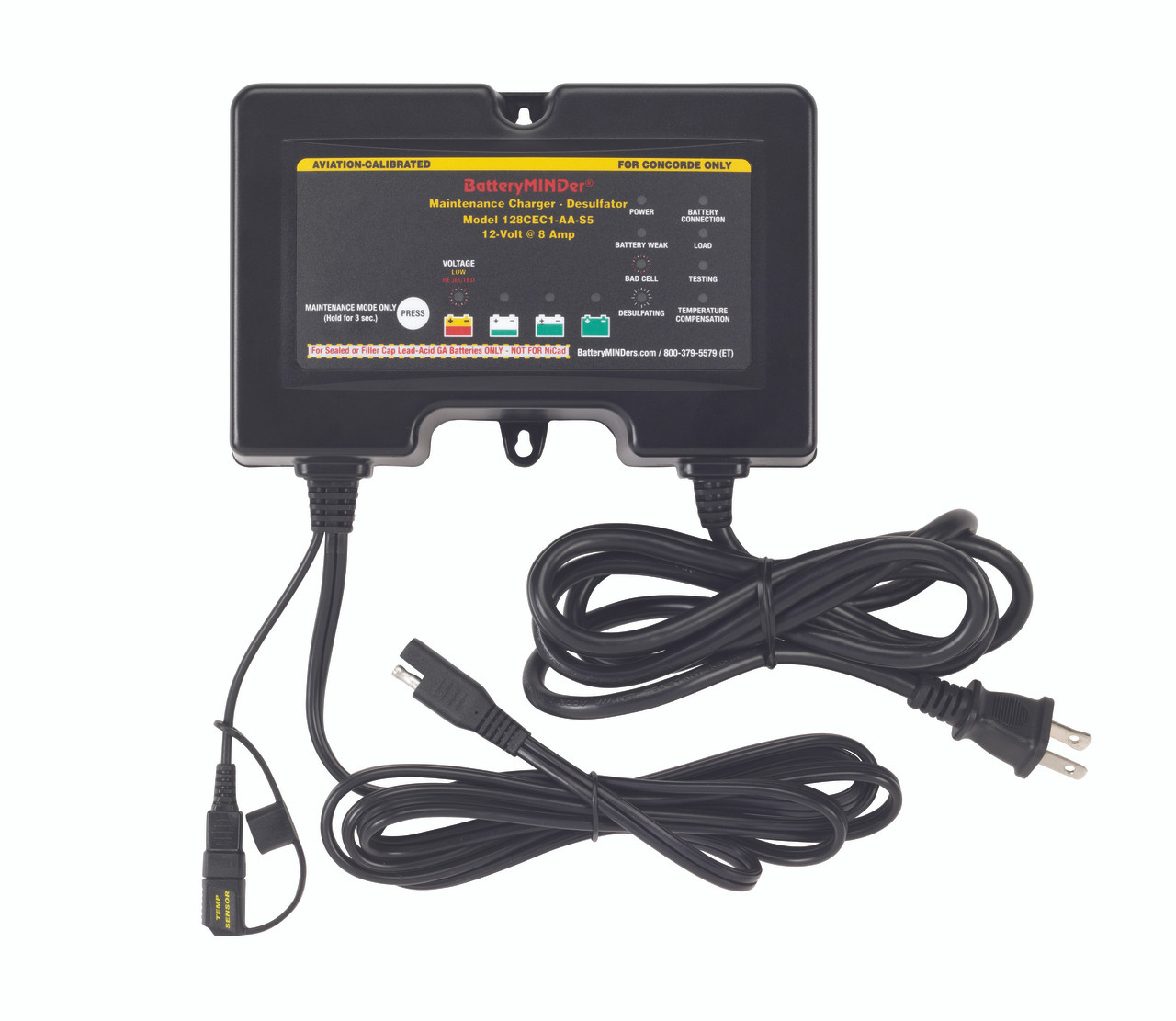
- Every four to six weeks during storage, use a battery charger in maintenance or float mode to provide a top-up charge and prevent sulfation buildup. BatteryMINDer chargers are designed specifically for this type of automated, long-term battery care.
- Disconnecting the battery during long-term storage eliminates parasitic drain from onboard systems – but always consult the Aircraft Maintenance Manual for model-specific guidance before disconnecting.
- A complete battery maintenance toolkit includes a quality charger, digital multimeter, hydrometer (for lead-acid batteries), capacity tester, terminal cleaning kit, and battery analyzer – together providing a comprehensive picture of battery health and charge state throughout the storage period.
- PJi stocks a full range of battery chargers, maintainers, desulfators, analyzers, and capacity testers from BatteryMINDer, Christie, Concorde, Lamar Technologies, Power Products, and Tronair, along with a broad selection of aircraft batteries for various aircraft types.
For pilots, a reliable aircraft battery is as crucial as a well-maintained engine. It provides the spark of life that gets your aircraft airborne, powering critical systems for a smooth start-up and safe operation. However, when your aircraft isn't in active use, proper battery storage becomes paramount.
Just like any other component, aircraft batteries are susceptible to degradation if left unattended for extended periods. Understanding the right storage practices and utilizing the essential tools can significantly extend your battery's lifespan and ensure it delivers optimal performance when you return to the skies.
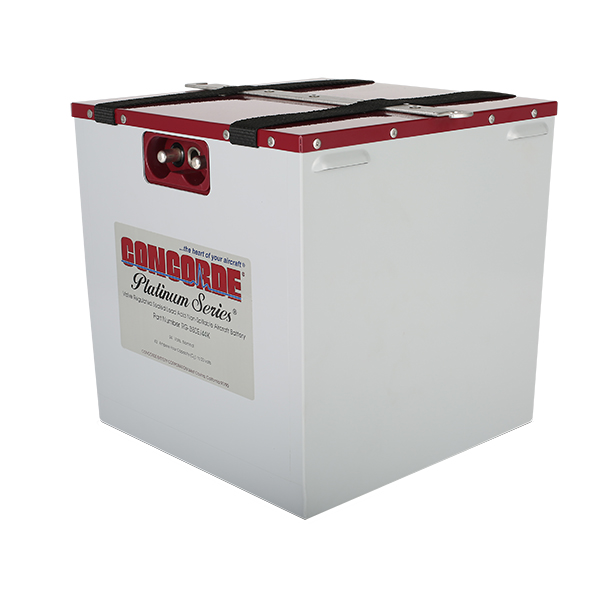
The Importance of Proper Battery Storage
Leaving an aircraft battery unmaintained during storage can lead to several damaging consequences. Here's why proper storage practices are essential:
- Self-Discharge – Lead-acid batteries, the most common type in general aviation, naturally lose their charge over time due to internal chemical reactions. This self-discharge can significantly deplete the battery's capacity if left unchecked during storage.
- Sulfation – When a battery remains deeply discharged for extended periods, lead sulfate crystals can form on the battery plates. This process, known as sulfation, hinders the battery's ability to hold a charge and ultimately reduces its lifespan.
- Extreme Temperatures – Both very high and very low temperatures can accelerate battery degradation. Extreme heat can damage the internal components and accelerate self-discharge, while extreme cold can reduce battery capacity.
Essential Practices for Aircraft Battery Maintenance During Storage
By following these key practices, you can minimize the negative effects of storage and ensure your battery is ready for action when you need it:
- Perform a Full Charge – Before storage, ensure the battery is fully charged with a high-quality charger. A fully charged battery is much more resistant to self-discharge and sulfation than a partially charged one.
- Choose the Right Storage Location – Store your battery in a cool, dry location with moderate temperatures. Ideally, the storage area should be well-ventilated and protected from direct sunlight and extreme weather conditions. Avoid storing the battery in areas with excessive heat or cold.
- Disconnect the Battery – If your aircraft has a master battery switch, consider disconnecting the battery during long-term storage. This eliminates any parasitic drain that could further deplete the charge. Consult your aircraft maintenance manual for specific recommendations regarding battery disconnection.
- Periodic Maintenance – Even during storage, it's advisable to perform periodic maintenance checks on your aircraft battery. Ideally, every four to six weeks, use a high-quality battery charger with a maintenance mode to provide a top-up charge and prevent sulfation. BatteryMINDer chargers are specifically designed for this purpose, delivering safe, automatic charging that extends battery life.
Essential Tools for Proper Aircraft Battery Maintenance
Having the right tools at your disposal makes aircraft battery maintenance during storage a breeze. Here are some must-haves:
Battery Charger
Invest in a high-quality battery charger specifically designed for AGM or gel batteries, depending on your aircraft's needs. Look for features such as automatic charging modes, float charging to maintain a healthy charge, and desulfation functions to prevent the formation of sulfate crystals. Pilot John International offers a wide selection of BatteryMINDer chargers, known for their user-friendly operation and advanced technology to optimize battery care.

Digital Multimeter
A digital multimeter is used to measure voltage, current, and resistance in the battery circuit. This is essential for diagnosing electrical issues and ensuring proper charging.
Battery Hydrometer
A battery hydrometer measures the specific gravity of the electrolyte in lead-acid batteries for a more detailed assessment of battery health. This provides valuable information about the battery's remaining capacity and potential sulfation issues.
Battery Capacity Tester
A battery capacity tester measures the total electrical charge a battery can hold over a specified period. By simulating a load and measuring how long the battery can sustain that load before reaching a predetermined voltage level, it helps determine the remaining useful life of the battery and ensures it meets operational specifications.
Battery Terminal Cleaning Kit

Regularly cleaning the battery terminals removes corrosion, dirt, and other contaminants that can hinder proper electrical connection and reduce starting power. A battery terminal cleaning kit typically includes a wire brush, cleaning solution, and terminal protectors.
Battery Analyzer
A battery analyzer is an advanced diagnostic tool used to evaluate the health and performance of aircraft batteries. Often used in conjunction with a battery charger, the analyzer measures critical parameters such as voltage, internal resistance, state of charge, and capacity, providing a comprehensive assessment of the battery’s condition.
The Bottom Line
By following these storage and maintenance procedures, you can significantly extend the life of your aircraft battery and minimize the risk of unexpected issues. Remember, a healthy battery is a vital component for safe and reliable aircraft operation.
Investing in the right tools and practices for optimal battery care is an investment in your aircraft's overall health and performance. With that in mind, Pilot John International (PJi) offers a comprehensive selection of aircraft battery chargers, maintainers, desulfators, analyzers, and capacity testers from industry-leading manufacturers, including BatteryMINDer, Christie, Concorde, Lamar Technologies, Power Products, and Tronair.
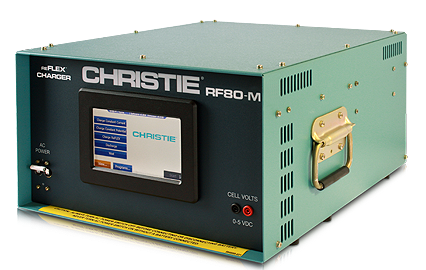
Additionally, our extensive inventory also includes a full line of premium-quality batteries for a wide range of aircraft, ensuring you find the perfect match for your specific aircraft needs.
Our knowledgeable aviation specialists are available to answer any questions you may have about aircraft battery selection, maintenance best practices, or choosing the right battery charger for your needs. We are passionate about keeping pilots informed and empowered to ensure the longevity and peak performance of their aircraft batteries. Call, email, or chat with us today to ensure that you Stay Flight-Ready® at all times!