





How to Select FAA-Approved Aircraft Replacement Parts
Key Takeaways
- FAA-approved parts fall into four categories – OEM, PMA, TSO, and STC – each with its own approval pathway, documentation requirements, and aircraft eligibility considerations.
- PMA parts are fully FAA-approved and widely used across commercial aviation, often at 25% to 50% less than OEM pricing. Verify any PMA part's approval status and aircraft eligibility at drs.faa.gov.
- FAA Form 8130-3 is non-negotiable. No valid Airworthiness Approval Tag means the part doesn't enter serviceable inventory – period. Certificates of Conformance (CofCs) provide the additional traceability layer.
- Unusually low pricing is a red flag, not a bargain. Counterfeit and unapproved parts are a real presence in the global supply chain and often enter through pricing that looks too good to be true.
- Aviation-specialized distributors like PJi provide the regulatory expertise, complete documentation, and supply chain reliability that general industrial suppliers can't match – reducing compliance risk and unplanned downtime.
Every aircraft component installed on a certified airplane carries a responsibility that goes far beyond fit and function. The wrong part, or the right part without proper documentation, can ground a fleet, trigger regulatory action, or compromise the safety of everyone on board. For aircraft maintenance teams, MRO operators, and procurement professionals, selecting FAA-approved replacement parts isn't just a purchasing decision – it's an airworthiness decision.
The challenge is real: a growing global supply chain, multiple FAA approval pathways, and a persistent counterfeit parts market all make sourcing more complex than it should be. Understanding the difference between OEM, PMA, TSO, and STC parts – and knowing how to verify traceability and documentation before a part ever reaches the workbench – is foundational to safe, compliant aircraft maintenance.
Getting this right means fewer surprises during inspections, less unplanned downtime, and the kind of confidence that comes from knowing every aircraft component in your inventory meets Federal Aviation Administration standards. In this article, we'll walk through the major FAA approval categories, explain how to verify that a replacement aircraft part is genuinely approved, and share the practical steps that experienced maintenance professionals use to reduce risk and keep their fleets flight-ready.

What Are the FAA Approval Categories for Aircraft Parts?
Before you source a single replacement part, it helps to understand how the FAA actually approves aircraft components for installation. Not all approved parts are created equal; each approval pathway has its own process, documentation, and cost implications. Knowing which category a part falls into helps you make smarter procurement decisions and avoid eligibility issues down the line.
OEM (Original Equipment Manufacturer) Parts
OEM parts are produced by the original equipment manufacturer – the same company that designed and built the original aircraft component. Because they're manufactured under the original Type Certificate (TC) or Production Certificate (PC), OEM parts offer direct compatibility with the aircraft's approved design. There's no question about fit, form, or function when you're installing the same part the airframe was certified with.
The trade-off? OEM replacement parts typically cost more, and lead times can stretch when demand is high or production capacity is limited. For critical or high-visibility components, many operators prefer OEM parts for the simplicity of documentation and the assurance of manufacturer-backed warranties. But cost-conscious maintenance teams should know that OEM isn't the only FAA-approved path.
PMA (Parts Manufacturer Approval) Parts
Parts Manufacturer Approval parts are independently manufactured aircraft components that have earned their own FAA design and production approval. A PMA holder must demonstrate – through testing, analysis, or both – that the part meets or exceeds the same airworthiness standards as the original OEM component. The FAA doesn't hand out PMA lightly; the certification process is rigorous, and PMA manufacturers are held to the same quality and safety requirements as OEMs.
The practical benefit is significant. PMA parts often deliver cost savings of 25% to 50% compared to OEM alternatives, without sacrificing compliance or reliability. In some cases, PMA replacement parts actually incorporate design improvements that address known issues with the original component – such as better materials, tighter tolerances, or updated manufacturing processes. For MRO operators managing tight maintenance budgets, PMA parts represent a legitimate, FAA-approved strategy for controlling costs while maintaining full airworthiness.
It's worth noting that PMA parts are widely used across commercial aviation, from regional carriers to major airlines. The perception that they're somehow "lesser" than OEM parts doesn't hold up under scrutiny – what matters is the approval, documentation, and traceability behind the part.
TSO (Technical Standard Order) and STC (Supplemental Type Certificate)
Technical Standard Order authorization means a part has been tested and approved to meet specific FAA minimum performance standards. TSO parts are common in avionics, safety equipment, environmental systems, and other components that use standardized performance criteria. If you're sourcing a replacement ELT, seat belt, or avionics module, there's a good chance it carries a TSO marking.
One important distinction: a TSO confirms that the part meets performance standards, but it doesn't automatically mean the part is approved for installation on your specific aircraft. You still need to confirm eligibility by cross-referencing the aircraft's Type Certificate Data Sheet (TCDS) and any applicable Supplemental Type Certificates.
Speaking of STCs – a Supplemental Type Certificate authorizes a specific modification or alternative installation on a particular aircraft model. STC parts are approved as part of that modification package, and they can only be used under the terms of the STC. This matters for procurement teams because an STC part that's approved for one aircraft type may not be eligible for another, even if the part number matches. Always verify STC applicability before purchasing replacement components.

How Do You Verify That a Replacement Aircraft Part Is FAA Approved?
Knowing the approval categories is the starting point. The real work happens when you're evaluating a specific part for purchase or installation. Here's where disciplined verification separates professional aircraft maintenance operations from those that end up with compliance headaches.
Check Approval Status and Eligibility
Before you commit to a purchase, confirm the part's approval status. Look for PMA markings on the component itself, TSO labels where applicable, or OEM documentation that traces back to the original production approval. Every FAA-approved aircraft part should carry clear identification that connects it to a recognized approval pathway.
For PMA parts specifically, the FAA Dynamic Regulatory System (DRS) at drs.faa.gov is your go-to resource. You can search by PMA holder, article name, part number, or the make and model for which the part is approved. This is the fastest way to confirm that a PMA part is genuinely approved – and that it's eligible for your specific aircraft.
For OEM and TSO parts, cross-reference the part number against the aircraft's Type Certificate Data Sheet. The TCDS lists approved components, engine-propeller combinations, and equipment specifications for each certificated aircraft model. If a part isn't listed – or if it requires an STC for installation – you'll know before the part is on your shelf, not after it's on the airplane.
Confirm Documentation and Traceability
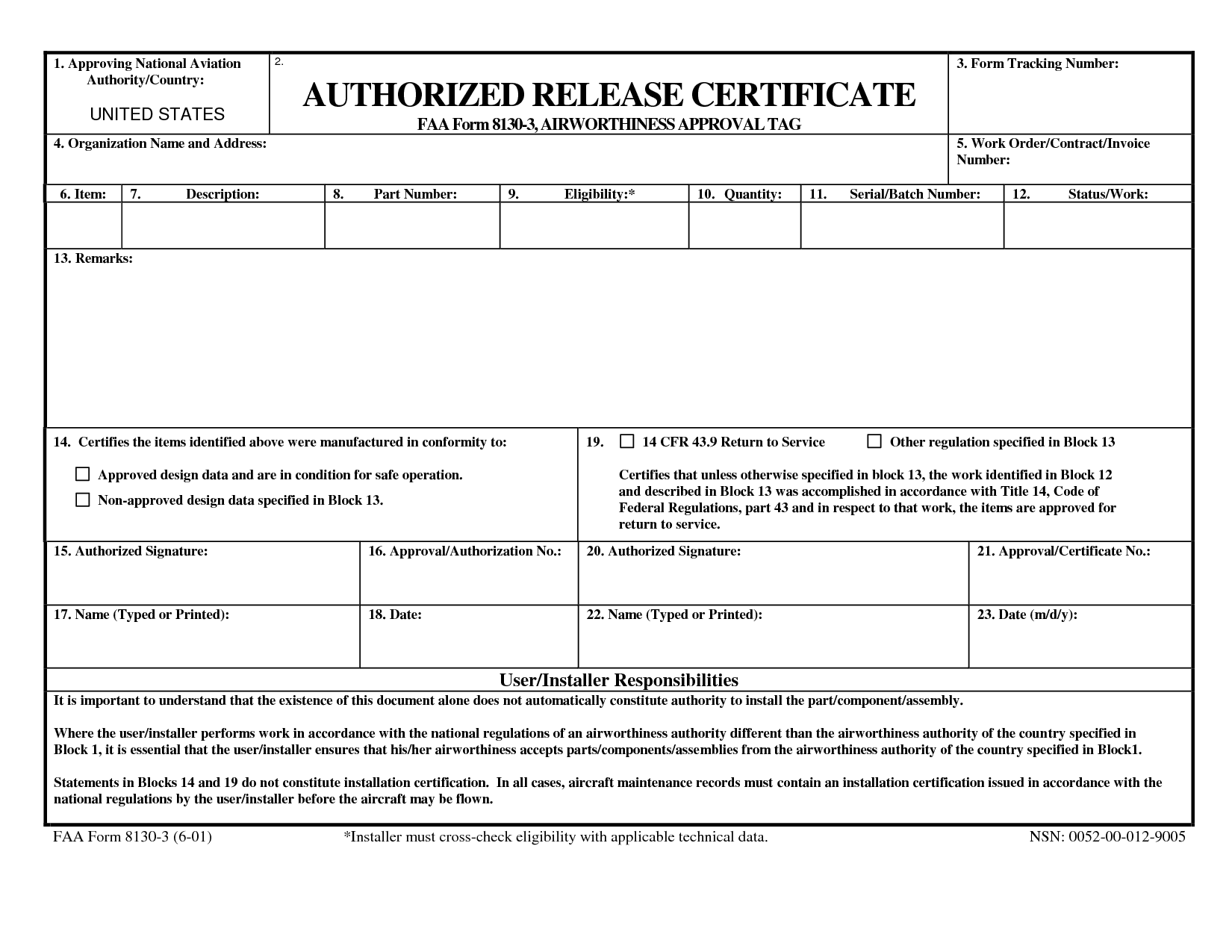
Documentation is where aircraft parts traceability lives or dies. The single most important document for any replacement aircraft part is FAA Form 8130-3 – the Airworthiness Approval Tag. This form certifies that a new or maintained part meets FAA conformity requirements and is in a condition for safe operation. If a part arrives without a Form 8130-3, or with an 8130-3 that looks altered, incomplete, or inconsistent, that's a stop-work situation.
For parts entering the U.S. from international sources, EASA Form 1 serves a parallel function under European Aviation Safety Agency regulations. Many repair stations and distributors that operate across both regulatory systems maintain dual documentation – FAA Form 8130-3 and EASA Form 1 – to support global aircraft parts traceability.
Beyond the airworthiness tag, request Certificates of Conformance (CofCs) from the manufacturer or distributor. A Certificate of Conformance verifies that the part was manufactured in accordance with approved design data and meets the specified quality standards. Together, the 8130-3 and CofCs create a complete traceability chain from the manufacturer's production line to your maintenance facility.
Full supply chain traceability means you can trace every hand the part passed through – from manufacturing to distribution to your receiving dock. If any link in that chain is missing or unverifiable, the part's airworthiness status is compromised. Work with aircraft parts suppliers who maintain complete, auditable traceability records.
Inspect Parts Upon Receipt
Even with perfect documentation, a physical inspection at receiving is non-negotiable. Check packaging for signs of damage, tampering, or poor quality. Genuine FAA-approved aircraft parts arrive in manufacturer-standard packaging with clear labeling, correct part numbers, and legible serial numbers.
Watch for counterfeit warning signs: misspelled manufacturer names, inconsistent fonts or logos, rough surface finishes, visible tool marks, misaligned holes, or incorrect dimensions. If a part appears to have been repackaged, relabeled, or repaired without proper documentation, quarantine it immediately and initiate your suspected unapproved parts (SUP) process.
Compare the physical part against the documentation – do the serial numbers match? Does the component's part number match the 8130-3? Does the condition match what was represented (new, overhauled, serviceable)? These checks take minutes but can prevent costly compliance issues and, more importantly, keep aircraft and crews safe.
What Factors Should You Consider When Selecting Replacement Parts?
Once you've confirmed that a part is FAA-approved and properly documented, the sourcing decision shifts from compliance to strategy. Here's where experienced procurement teams gain an edge.
Compatibility and Aircraft Eligibility
A part can be 100% FAA-approved and still be wrong for your aircraft. Aircraft part compatibility requires more than matching a part number – you need to confirm that the component is approved for your specific aircraft make, model, and serial number range. Modifications, STCs, and airworthiness directives can all affect which replacement components are eligible for a given airframe.
Check the aircraft's TCDS, review any installed STCs, and confirm that no active airworthiness directives have superseded the part you're considering. This is especially important when sourcing PMA or STC replacement parts, which may be subject to approval limitations tied to specific aircraft configurations.
Lifecycle Cost vs. Purchase Price
The cheapest part on the quote sheet isn't always the most cost-effective aircraft component over its service life. A lifecycle cost analysis considers reliability history, warranty coverage, expected time between overhauls (TBO), and downstream maintenance costs for each option.
A PMA part that costs 40% less than the OEM alternative but offers equivalent reliability and a comparable warranty is a clear win. But a bargain-priced component with no warranty, limited service history, and unknown shelf life could cost more in the long run through premature failures, repeat maintenance, or unplanned aircraft-on-ground (AOG) events.
Smart procurement teams evaluate total cost of ownership – not just the line item on the purchase order. That includes factoring in the cost of unplanned downtime, the labor hours required for replacement, and the operational risk of choosing an unproven supplier.
Supply Chain Reliability and Downtime Risk
When an aircraft is grounded waiting for a part, the cost per hour adds up fast. Supply chain reliability is a critical factor in replacement parts selection – and it's one that general industrial suppliers consistently struggle with in the aviation space.
Trusted aircraft parts distributors maintain a ready inventory of high-demand spare parts, offer expedited shipping options, and understand the urgency of AOG situations. They also maintain relationships with multiple OEM and PMA manufacturers, giving you sourcing flexibility when a primary supplier has backorders or production delays.
Working with an aviation-specialized aircraft parts supplier means shorter lead times, fewer back-and-forth conversations about eligibility and documentation, and access to technical expertise when you need guidance on part selection. That reliability translates directly into reduced downtime and more predictable maintenance schedules.
What Are the Most Common Pitfalls to Avoid When Buying Aircraft Parts?
Even experienced maintenance teams and procurement professionals can fall into sourcing traps. Here are the mistakes that create the most pain – and the most cost.
Purchasing from unverified or general industrial suppliers is one of the most common and most dangerous errors. Aviation spare parts require specialized handling, documentation, and traceability that general distributors simply aren't equipped to provide. A supplier who can't produce a complete 8130-3 or who isn't familiar with FAA documentation requirements isn't someone you want in your supply chain.
Failing to confirm documentation and traceability before accepting a part for inventory is another frequent issue. It's tempting to rush parts into stock when maintenance schedules are tight, but accepting an aircraft component without verifying the Airworthiness Approval Tag, Certificates of Conformity, and traceability records creates a compliance risk that doesn't go away. It just waits until the next audit or inspection to surface.
Assuming the lowest price equals the best value is a trap that catches more procurement teams than anyone would like to admit. If a part price seems unusually low – significantly below market for equivalent FAA-approved components – that's a warning sign, not a bargain. Counterfeit and unapproved parts are real, and they often enter the supply chain through pricing that looks too good to be true.
Overlooking part eligibility for a specific aircraft model is an avoidable mistake that creates rework and delays. Always verify that the replacement part is approved for your specific aircraft configuration, including any installed STCs or modifications that may affect compatibility.
Finally, neglecting proper storage and handling requirements can degrade even the highest-quality aircraft components. Parts with shelf-life limitations, humidity-sensitive electronics, and rubber goods all require specific storage conditions to maintain their airworthiness. A perfectly documented part stored improperly becomes an unapproved part by the time it reaches the aircraft.
Each of these pitfalls leads to the same place: higher costs, compliance exposure, and operational disruption. The good news is that they're all preventable with the right processes and the right sourcing partners.
What Documentation Should Accompany FAA-Approved Aircraft Parts?
Documentation isn't bureaucracy – it's the backbone of aircraft parts traceability. Here's what should accompany every FAA-approved replacement part, and why each document matters.
FAA Form 8130-3
FAA Form 8130-3, the Airworthiness Approval Tag, is the single most critical document in the aircraft parts supply chain. It certifies that a new part conforms to its approved design data, or that a maintained part has been returned to service in accordance with approved maintenance procedures. The form identifies the part by number and serial number, names the approval basis (PMA, TSO, TC/PC), and includes the signature and authorization number of the person or organization releasing the part.
An 8130-3 isn't optional, and you can't recreate it after the fact. If a part arrives without one – or with one that raises questions – stop, investigate, and resolve the issue before the part moves into serviceable inventory. Properly issued Form 8130-3 documentation is your first line of defense against unapproved parts entering the maintenance workflow.
Certificates of Conformance (CoC)
A Certificate of Conformance – also referred to as a Certificate of Conformity or CofC – is issued by the manufacturer or production approval holder. It verifies that the part was produced in accordance with approved design data and that the manufacturer's quality assurance processes were followed throughout production.
Certificates of Conformance serve as an additional layer of traceability beyond the 8130-3. They connect the specific part to the manufacturing facility, the production batch, and the quality system that produced it. For operators who maintain detailed parts records – and you should – CofCs are essential documentation for demonstrating regulatory compliance during audits and inspections.
Additional Supporting Documents
Depending on the part type and installation context, you may also need logbook entries that document the part's maintenance history, maintenance release documents from the repair station or MRO that last worked on the component, and STC or TSO data required for installation eligibility.
For parts crossing international borders, EASA Form 1 may be required in addition to, or in place of, FAA Form 8130-3, depending on the regulatory jurisdiction. Operators working across both FAA and EASA environments should maintain dual documentation where applicable.
The bottom line: if you can't document it, you can't install it. Comprehensive documentation protects your operation, your aircraft, and your maintenance team's professional standing.

Why Work with an Aviation-Specialized Parts Distributor?
Aircraft parts procurement is fundamentally different from sourcing general industrial components. The regulatory requirements, documentation standards, and safety implications demand a level of expertise that only aviation-focused distributors can consistently deliver.
Deep technical expertise is the first differentiator. An aviation-specialized aircraft parts distributor understands the difference between PMA, OEM, TSO, and STC approval pathways – and can advise you on which option makes sense for your specific aircraft and operational requirements. They know which replacement components are eligible for which airframes, and they can flag compatibility issues before you've committed to a purchase.
Regulatory compliance knowledge is equally important. Aviation distributors live in the same regulatory environment as their customers. They understand FAA documentation requirements, maintain proper traceability records, and can provide complete 8130-3 documentation, Certificates of Conformance, and supporting paperwork with every shipment. That eliminates the documentation gaps and compliance risks associated with sourcing from suppliers that don't specialize in aviation.
Traceable, aviation-specific supply chains set aviation distributors apart from everyone else. Every part in their inventory has a documented chain of custody, from manufacturer to warehouse to customer. There's no guessing about where a part came from, how it was stored, or whether its documentation is complete.
Strong OEM and PMA manufacturer relationships give aviation-specialized distributors access to broader inventory, better pricing, and faster lead times than you'd get sourcing directly or through general channels. These relationships also mean better technical support when you need guidance on part selection, eligibility, or application-specific questions.
Finally, aviation distributors offer guidance that goes beyond simple procurement. They're partners in keeping your fleet compliant and operational – helping you navigate part obsolescence, source hard-to-find replacement aircraft components, and make informed decisions about OEM versus PMA options for specific applications.
Working with a specialized aircraft parts supplier reduces risk, simplifies the buying process, and gives your maintenance team confidence that every part meeting their workbench is genuinely FAA-approved, properly documented, and ready for installation.

The Bottom Line
Selecting the right FAA-approved aircraft replacement parts requires more than finding a part number in a catalog. It takes verification of approval status, confirmation of complete documentation and traceability, compatibility checks against your specific aircraft configuration, and sourcing from trusted aviation distributors who understand the regulatory landscape. Cut corners on any of these, and you're accepting a risk that no maintenance professional should take on.
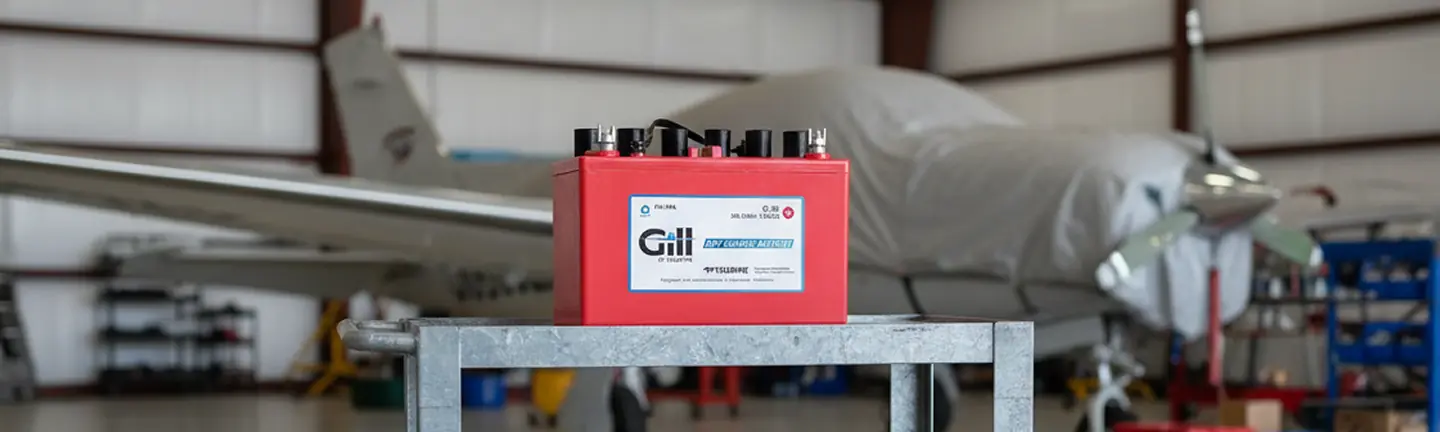
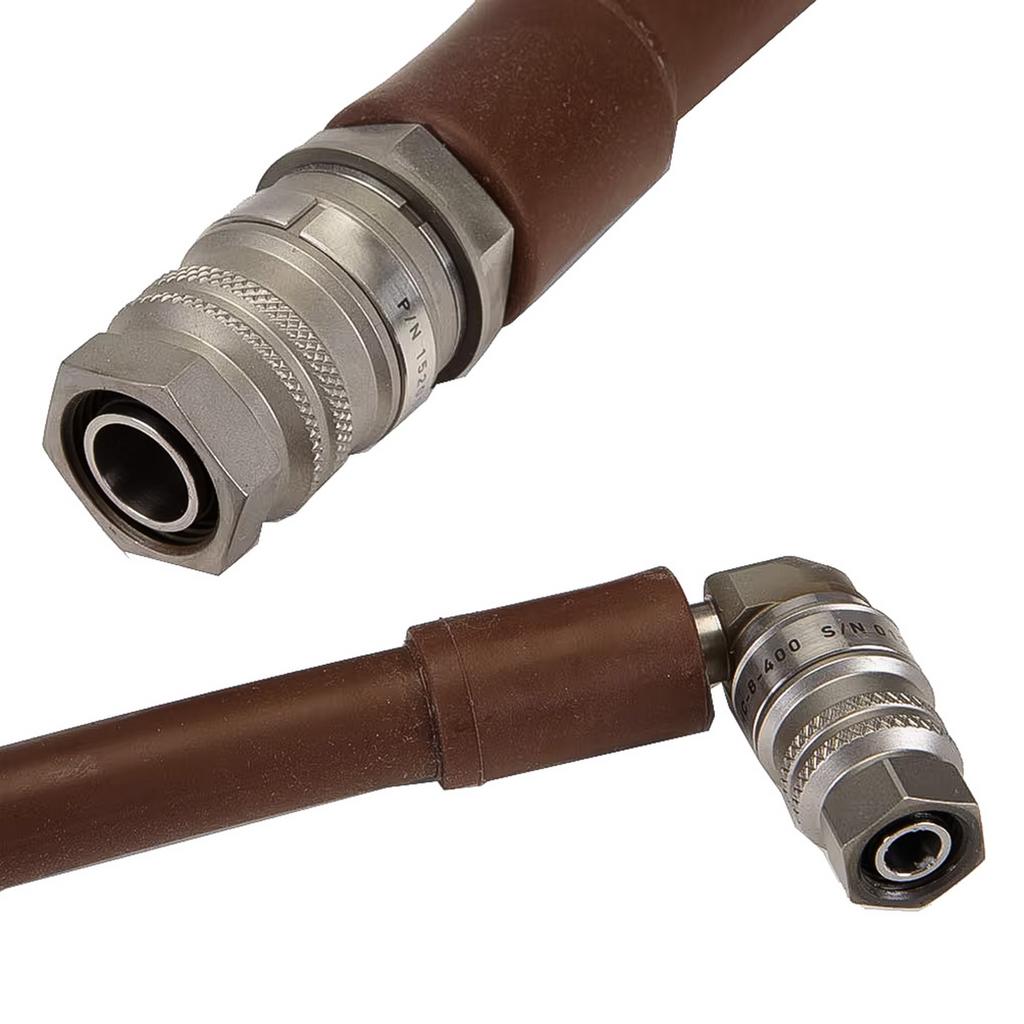
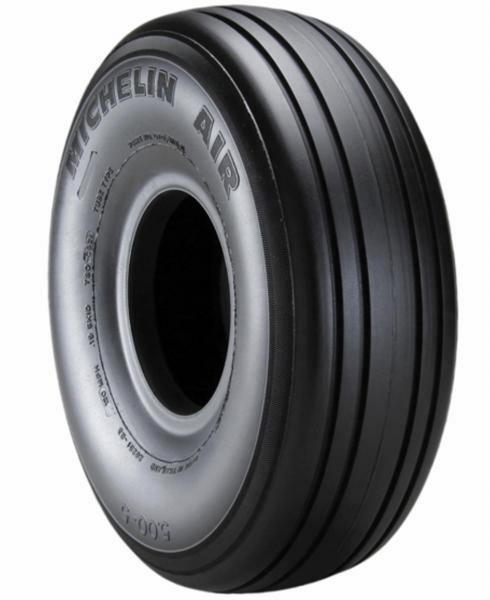
PJi is built for exactly this kind of work. As a global aviation parts distributor serving maintenance teams, MRO operators, and flight departments in 144+ countries, PJi stocks FAA-approved aircraft parts across the categories that keep fleets operational – aircraft batteries, ducting and hoses, engine gaskets and seals, oil filters, spark plugs, vibration isolators, fuel caps and washers, hydraulic components, landing gear parts, lighting, propeller governor parts, tires, wheels, and brakes.
PJi carries trusted brands that aircraft maintenance professionals rely on: Barry Mounts (Hutchinson Aerospace), Beringer, Champion Aerospace, GE Lighting, Goodyear, Marsh Brothers Aviation, Meggitt, Michelin, Parker Stratoflex, Real Gaskets, Teledyne Gill, Thermoid, Whelen, and many more. Every part ships with complete traceability documentation, because that's what the job demands.
Whether you need help identifying the right replacement aircraft part for your fleet, verifying aircraft parts compatibility, or sourcing a hard-to-find aircraft component, PJi's aviation specialists are here to help. Reach out by phone, email, or live chat – let's find the right part and get your aircraft back in service.