




Lease-to-Own Aircraft Maintenance Equipment: A Smarter Way to Invest
Key Takeaways
- Lease-to-own combines the affordability of leasing with the long-term value of ownership – operators make fixed monthly payments over a defined term (6 to 24 months through PJi) and receive full title transfer upon completion of all payments, with no requirement to return the equipment.
- Compared to purchasing outright, lease-to-own preserves working capital, enables predictable budget planning, and may offer tax advantages – making it a practical option for businesses that need high-value equipment without a lump-sum capital outlay.
- PJi's lease-to-own program is fully in-house, meaning faster approvals, clearer terms, and more personalized support than third-party lenders typically provide. Approvals average about two and a half weeks, with responsive references accelerating the process.
- Any equipment order of $10,000 or more is eligible for a lease-to-own agreement for US- and Canada-based operators, covering GSE such as HPUs and servicing carts, as well as avionics test equipment, including air data testers and flight line test sets.
- At the end of the lease term, the equipment is fully owned – operators can use, modify, or resell it as needed, making lease-to-own a genuine long-term investment rather than an ongoing expense.
Acquiring aircraft ground support equipment (GSE) and testing tools has always been a challenge for operators, maintenance, repair, and overhaul (MRO) facilities, and fixed-base operators (FBOs). From avionics test equipment to heavy-duty hydraulic jacks, these assets often represent a significant investment that can strain even the most carefully managed budgets. For businesses balancing the demands of daily operations with long-term investment needs, the question is often not whether the equipment is necessary – it’s how to afford it without disrupting cash flow.
Purchasing equipment outright provides immediate ownership but requires significant upfront capital, tying up funds that could otherwise be used to support staffing, inventory, or facility improvements. Traditional leasing, on the other hand, reduces initial expenses but provides no path to ownership, leaving operators paying for temporary use without building long-term value. Lease-to-own agreements offer a solution that bridges the gap – giving operators access to the tools they need now while creating a clear path to eventual ownership.
In this article, we’ll explore how leasing to own works, why it’s becoming a preferred option for aviation professionals, and why Pilot John International® (PJi®) is a trusted partner for flexible, in-house financing solutions.
What Does It Mean to Lease-to-Own?
In aviation, a lease-to-own agreement allows operators to acquire essential maintenance equipment through monthly payments while working toward full ownership at the end of the contract term. This arrangement combines the affordability of leasing with the long-term value of buying, providing a practical option for organizations that need to balance financial flexibility with operational requirements.
With lease-to-own agreements, payments are structured over a defined term, allowing operators to budget confidently and avoid the financial strain of a lump-sum purchase. Once the term ends and all payments are complete, the title transfers to the operator, granting them full ownership of the equipment as a lasting asset. This model gives businesses a straightforward way to scale operations, preserve working capital, and build equity in their equipment.
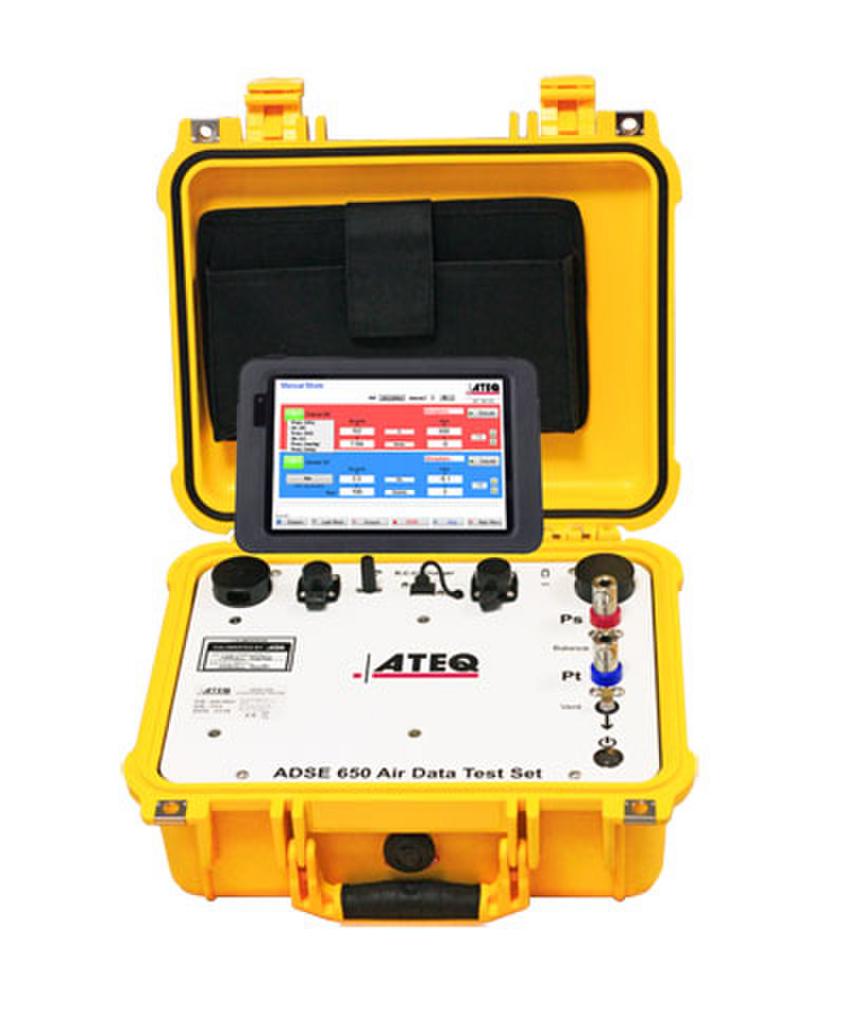
Lease-to-own agreements are particularly useful for aviation companies that need high-value assets, such as pitot-static testers, ground power units (GPUs), or cabin pressurization test equipment, but want to avoid tying up their cash in a single transaction. Instead of choosing between delaying an equipment purchase or compromising cash flow, operators gain the tools they need immediately while steadily working toward ownership.
What Are the Advantages of Lease-to-Own vs. Purchasing Outright?
The most significant advantage of lease-to-own contracts is that they can lower upfront costs. Unlike outright purchases, which often require a significant initial investment, a lease-to-own agreement spreads costs into manageable monthly installments. This financial flexibility allows businesses to allocate resources toward other priorities, such as staffing, training, or expanding service offerings, while still gaining access to critical maintenance equipment.
Predictable budgeting is another major benefit. Fixed monthly payments make it easier to forecast expenses, reducing financial uncertainty and helping operators manage long-term cash flow. In some cases, these payments may even be considered deductible business expenses, further enhancing the financial appeal of lease-to-own agreements.
When compared with purchasing outright, leasing to own strikes a balance between financial prudence and operational growth. Buying provides immediate ownership but can drain working capital, while lease-to-own agreements ensure operators acquire the equipment they need without compromising liquidity. For many businesses, this approach represents the smarter investment strategy.
How Does the Lease-to-Own Process Work?
PJi’s lease-to-own program is designed to be straightforward, efficient, and customer-focused. The process begins with a simple credit application, which serves as a one-time approval for the items specified in the agreement. Once the application is submitted, our accounting team reviews the details and works directly with PJi sales agents to provide timely decisions. On average, approvals are completed within two and a half weeks; however, responsive references can speed up the process.
After approval, PJi and the customer agree on the terms of the lease, which can range from 6 to 24 months, depending on the customer's credit standing and operational needs. The sales agent works closely with the customer to finalize details such as contract length, down payment (if required), payment method, and invoicing preferences. The initial invoice includes the down payment, the first month’s lease payment, and shipping charges. Equipment is shipped once the agreement is signed and the first invoice is paid.
Throughout the lease term, customers make fixed monthly payments while using the equipment in their operations. At the end of the term, once all payments are complete, ownership transfers to the customer. Unlike traditional leases or rentals, there is no need to return the equipment – operators gain a fully owned asset that can be used, modified, or resold as needed. This simple and transparent process eliminates unnecessary delays, giving customers confidence in their investment.
Why Lease-to-Own Aircraft Maintenance Equipment from PJi?
One of the biggest advantages of working with PJi is our in-house financing model. Unlike third-party lenders, we handle every step of the lease-to-own process internally, allowing for faster approvals, clearer terms, and more personalized support. This streamlined approach minimizes delays and ensures that operators receive their equipment quickly.
PJi also offers flexible financing solutions tailored to the unique needs of aviation businesses. Our sales and accounting teams work closely together to develop payment plans that align with customer budgets and operational objectives. This level of integration helps customers avoid the red tape often associated with outside financing, ensuring their equipment acquisition is both efficient and cost-effective.
Beyond financing, PJi is recognized across the aviation industry as a trusted supplier of high-quality ground support equipment and avionics test equipment. By choosing PJi, operators can not only secure flexible financing but also gain a long-term partner committed to supporting their maintenance operations with reliable products and expertise.
What Types of Equipment Are Available to Lease-to-Own?
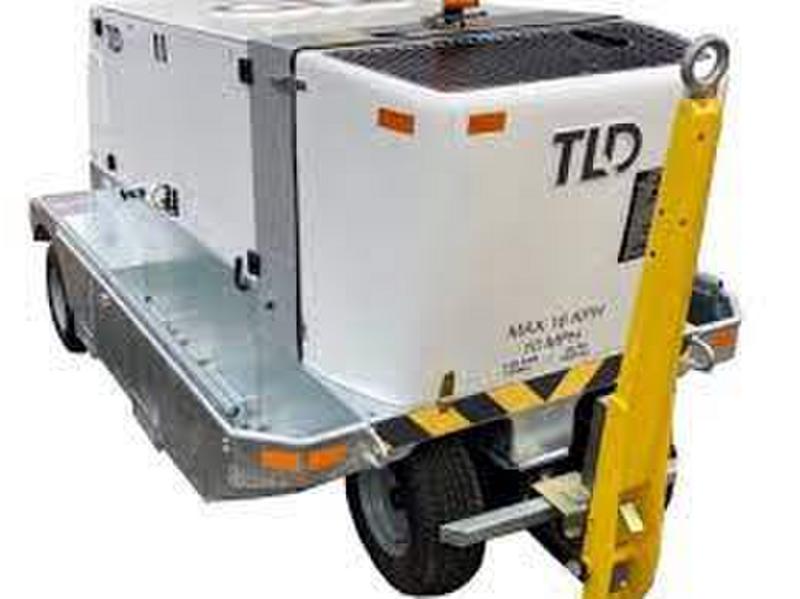
PJi’s lease-to-own program covers a wide range of equipment, making it an attractive option for aviation businesses with diverse maintenance needs. Operators can finance ground support equipment, including hydraulic power units (HPUs), oxygen and nitrogen servicing carts, and aircraft tire bead breakers, as well as air data testers and flight line test sets used to maintain and certify advanced aircraft systems.
Any equipment order valued at $10,000 or more is eligible for a lease-to-own agreement, provided the customer is based in the United States or Canada. This ensures that operators can access both everyday maintenance essentials and high-value diagnostic equipment without the upfront financial burden of buying outright. By offering this flexibility, PJi empowers maintenance teams to scale their capabilities while keeping financial planning under control.
The Bottom Line
Leasing-to-own represents a smarter, more flexible way to invest in aircraft maintenance equipment. By spreading costs into predictable monthly payments, operators can preserve cash flow, reduce financial strain, and continue working toward achieving full ownership of critical assets. With PJi’s in-house financing, flexible terms, and streamlined approval process, aviation businesses gain a trusted partner that makes equipment acquisition both simple and cost-effective.
When you're looking to expand your maintenance capabilities, don’t let high upfront costs hold you back. Pilot John International is here to help you secure the ground support equipment and avionics test equipment you need – without compromising your financial stability. Reach out to our aviation specialists today by phone, email, or live chat to explore your lease-to-own options and take the next step toward smarter, long-term investment.