






Optimize Aircraft Performance with the Right Fuel Additives
Key Takeaways
- Aviation fuel additives address specific issues that standard fuel formulations can't fully resolve – including combustion efficiency, engine wear, fuel degradation, water contamination, and internal corrosion.
- Microbial contamination is a serious and often overlooked threat to fuel systems. Biobor JF is the only biocide approved for use in aviation fuel worldwide, eliminating bacterial and fungal growth that can clog filters and corrode fuel systems.
- Beyond contamination control, additives serve multiple functions: LubriBor reduces friction and inhibits corrosion, while Turboline FS100 acts as both a detergent and stabilizer to prevent oxidation and carbon buildup in turbine combustion systems.
- PJi supplies Biobor JF, LubriBor, Turboline FS100, and the Hum-Bug Detector Kit, with specialists available to recommend the right combination for your aircraft type, fuel specification, and maintenance program.
From fuel efficiency and engine protection to contamination control, every pilot and maintenance professional understands that reliable performance starts with quality fuel. Aviation fuel additives are specially formulated solutions that enhance the efficiency, durability, and reliability of aircraft engines under a wide range of operating conditions. By selecting the right fuel additives, you can improve combustion, prolong engine life, and prevent costly maintenance issues caused by fuel degradation or microbial growth.
In this article, we’ll explore how aviation fuel additives benefit your aircraft, review top-performing options trusted by professionals worldwide, and explain how to select the right solution for your specific operation.
What Are the Key Benefits of Using Aircraft Fuel Additives?

While aviation fuel is engineered for efficiency, fuel additives target specific issues that standard formulations can’t always address. Incorporating these solutions into your aircraft’s maintenance plan can lead to measurable improvements in performance, longevity, and reliability.
Enhanced Performance
Some fuel additives are designed to improve combustion efficiency, delivering higher power output and improved fuel economy. This results in greater range, reduced operating costs, and smoother overall performance.
Superior Engine Protection
Additives containing lubricity enhancers and anti-wear agents minimize friction and surface wear on vital engine parts. This reduces stress on components, extends engine life, and lowers long-term maintenance expenses.
Improved Fuel Stability
Over time, stored fuel can degrade due to oxidation or microbial contamination. Additives formulated for fuel stability help prevent these issues, maintaining consistent fuel quality and protecting engines from damage.
Water Dispersion
Water in aviation fuel can cause corrosion or engine malfunction. Demulsifier additives help separate and remove water efficiently, ensuring a cleaner, safer fuel system.
Corrosion Prevention
Many additives form a microscopic protective film on internal metal surfaces, shielding them from moisture and chemical byproducts. This corrosion barrier keeps critical systems cleaner and extends the service life of components.
What Are the Most Effective Fuel Additives for Aircraft?
With several types of aviation fuel additives available on the market, selecting the right option depends on your aircraft type, engine design, and the prevailing environmental conditions. Here are some of the most trusted solutions used by aviation professionals worldwide.

Biobor® JF Aviation
Biobor JF is the only biocide approved for use in aviation fuel worldwide. It eliminates microbial contamination in jet fuel, preventing bacterial and fungal growth that can clog filters, corrode fuel systems, and disrupt operations. In addition to its biocidal protection, Biobor JF enhances the lubricity of turbine fuels, reducing wear and extending the life of fuel delivery components.
LubriBor®
LubriBor serves as both a lubricant and corrosion inhibitor for aircraft engines. By reducing metal-on-metal friction, it minimizes component wear and optimizes performance during operation. Its corrosion-resistant properties further protect the fuel system, helping operators lower maintenance costs and preserve engine health over time.
Turboline® FS100
Turboline FS100 functions as a powerful detergent and fuel stabilizer, preventing oxidation and carbon buildup in turbine combustion systems. By cleaning internal components and maintaining consistent combustion, it reduces wear, enhances power output, and contributes to long-term operational reliability.
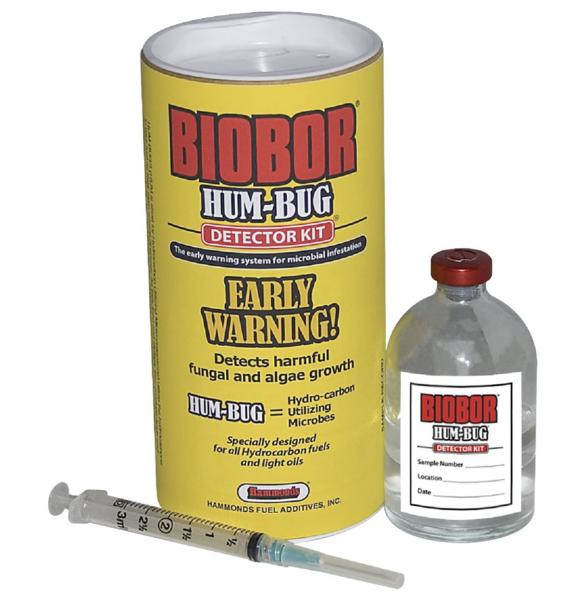
Hum-Bug Detector Kit
Although not a fuel additive, the Hum-Bug Detector Kit is a vital tool for monitoring aviation fuel quality. This early detection system identifies microorganisms that thrive in hydrocarbon fuels, enabling timely corrective action before contamination affects engine performance or safety.
The Bottom Line
Selecting the right aviation fuel additives is an investment in your aircraft’s performance, efficiency, and long-term reliability. At Pilot John International® (PJi®), we proudly supply trusted fuel additives and fuel quality tools – including Biobor JF Aviation, LubriBor, Turboline FS100, and the Hum-Bug Detector Kit – from leading manufacturers like Biobor and Hammonds, all engineered to keep your aircraft operating at peak performance.
Our knowledgeable aviation specialists understand the nuances of each product and can help you choose the right combination for your specific aircraft, fuel type, and maintenance program. Call, email, or chat with us today!