




Why Aviation Pros Rely on Hearing Protection Headsets
Key Takeaways
- OSHA requires hearing protection at 85 dB and above – jet engines can reach 150 dB, aircraft maintenance bays often exceed 120 dB, and APUs, pneumatic tools, and GSE routinely push levels far beyond safe exposure thresholds, making hearing protection mandatory rather than optional in most aviation ground roles.
- Noise-induced hearing loss (NIHL) is permanent and cumulative. Aviation hearing protectors reduce sound pressure levels before noise reaches the inner ear through two mechanisms: passive noise reduction (PNR), which uses physical insulation and ear seal barriers, and active noise reduction (ANR), which uses electronic circuitry to generate counteracting sound waves.
- Modern aviation hearing protection headsets don't isolate the wearer – they selectively filter harmful noise while preserving speech clarity, alarm signals, and environmental awareness, keeping ground crews responsive and situationally aware throughout long, demanding shifts.
- When selecting a headset, prioritize an NRR of 23 to 27 dB for high-noise aviation environments, then evaluate communication requirements (listen-only, push-to-talk, wireless, or full-duplex), noise-canceling microphone quality, and ergonomic features like comfort-gel seals and adjustable headbands for extended wear.
- PJi carries David Clark aviation hearing protection headsets, including the ENC Hearing Protector (NRR 27 dB, with electronic noise cancellation adding 17 to 22 dB at low frequencies) and the 10S/DC Listen-Only Stereo Headset (NRR 23 dB, high-fidelity audio for passive protection).
In the high-decibel world of aviation, protecting your hearing isn’t just smart – it’s essential. Whether you're on the tarmac, inside a hangar, or performing high-intensity maintenance near roaring jet engines and ground support equipment (GSE), prolonged exposure to hazardous noise levels can take a serious toll. Hearing protectors – especially specialized aviation headsets – serve as the first line of defense, helping personnel perform critical tasks safely and efficiently while preserving long-term auditory health.
Hearing protection headsets do more than simply muffle noise. The best models combine noise attenuation with built-in communication capabilities, ensuring situational awareness and clear coordination in even the loudest environments. From noise-canceling technologies to ergonomically engineered comfort, selecting the right headset can dramatically impact both safety and performance.
In this article, we’ll explore why hearing protection headsets are indispensable in aviation, how they work, and what to consider when choosing the right solution for your environment.
What Makes Hearing Protection Headsets Essential in Aviation?
Aviation professionals work in some of the noisiest environments in the world. Jet engines can emit sound levels of up to 150 decibels (dB), far exceeding the Occupational Safety and Health Administration (OSHA) threshold of 85 dB, at which point hearing protection is required. In many cases, the noise source – such as a jet engine during maintenance or takeoff – cannot be quieted without compromising performance. That’s why hearing protectors remain a vital safeguard.
Aircraft maintenance technicians, ramp agents, baggage handlers, and other ground crew members are frequently exposed to high-intensity sounds from auxiliary power units (APUs), pneumatic tools, and GSE. Without adequate hearing protection, repeated exposure to these intense decibel levels can lead to permanent noise-induced hearing loss (NIHL), fatigue, stress, and communication breakdowns.
Unlike standard headphones or pilot headsets, aviation hearing protection headsets are designed to reduce noise while allowing critical communication. Whether it's guiding aircraft into position, servicing multiple gates under tight schedules, or maintaining aircraft in a bustling hangar, clear communication is non-negotiable. Headsets that combine robust noise attenuation with communication functions help crews work efficiently, stay compliant with FAA and OSHA guidelines, and avoid the long-term consequences of hearing damage.
How Do Hearing Protection Headsets Prevent Long-Term Hearing Loss?
NIHL can result from a single intense noise event or from long-term exposure to sounds above 85 dB – a threshold easily surpassed in aviation settings. In fact, environments like aircraft maintenance bays and active flight lines often expose personnel to levels exceeding 120 dB. Without protection, permanent damage to the sensitive inner ear structures can occur rapidly and irreversibly.
Aviation hearing protectors mitigate this by reducing sound pressure levels before the noise reaches the inner ear. The two main types of noise reduction are passive and active. Passive noise reduction (PNR) relies on physical barriers such as dense ear cup insulation and tight ear seals to block sound. Active noise reduction (ANR), by contrast, uses electronic circuitry to detect ambient noise and produce a counteracting sound wave that effectively cancels out harmful low-frequency noise.
Top-tier headsets, like those from David Clark, offer advanced combinations of both PNR and ANR. These hearing protection headsets can provide noise reduction ratings (NRRs) of up to 27 dB, significantly reducing the risk of noise-induced hearing loss. They also help prevent temporary threshold shifts – short-term hearing dullness – and reduce the risk of developing tinnitus and other hearing-related conditions.

Can Hearing Protection Headsets Improve Safety and Awareness?
Yes – and in more ways than one. While some may assume that hearing protection compromises awareness, modern aviation headsets are engineered to do the opposite. By filtering out harmful noise while preserving the clarity of speech and critical environmental sounds, like alarms or approaching vehicles, advanced headsets enable users to stay alert and responsive.
This selective sound filtering is crucial for maintaining safety on the ramp, in the hangar, or during mobile operations. Noise-canceling headphones tailored for aviation help crews remain vigilant throughout long shifts, reducing distractions and the mental fatigue associated with excessive noise. By maintaining effective communication and situational awareness, aviation professionals can detect potential hazards earlier, make quicker decisions, and execute tasks more efficiently.
Models like the David Clark ENC Hearing Protector Headset enhance this safety margin even further with their electronic noise cancellation technology, which provides an additional 17 to 22 dB of reduction at lower frequencies – all while preserving vital communications.
Which Aviation Roles Benefit Most from Hearing Protection Headsets?
While hearing protection is critical across the aviation industry, certain roles are particularly exposed to high-risk noise levels:
- Ground Crews & Ramp Agents – From fueling operations to aircraft towing, these workers spend hours near running engines and GSE, where noise levels routinely exceed 125 dB.
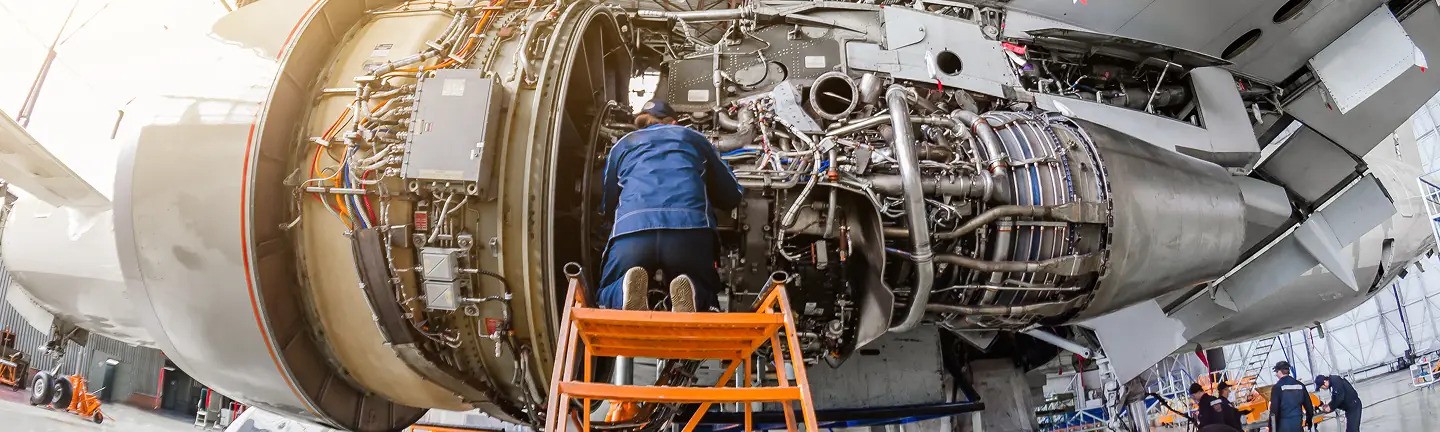
- Maintenance Technicians – Jet engine run-ups can reach 130 to 150 dB, and tasks involving riveting, grinding, or pneumatic tools often range from 90 to 110 dB.
Hangar Staff & Baggage Handlers – Prolonged exposure to conveyor systems, tugs, and other machinery puts these professionals at risk. - Deicing and Provisioning Teams – Often working in close proximity to APUs and aircraft environmental systems, these teams face consistent noise exposure throughout their shifts.
In all these roles, aviation hearing protection is not only vital for individual safety but also for ensuring seamless teamwork and operational integrity in dynamic environments.
What Should I Look for When Choosing an Aviation Headset for Hearing Protection?
Choosing the best hearing protection headset starts with understanding the noise reduction rating (NRR) – a standardized measure of how many decibels a device can reduce. For aviation, where noise levels are exceptionally high, look for headsets with an NRR of 23 to 27 dB. But NRR is only one part of the equation.
Communication needs should also factor into your decision. Do you require listen-only headsets or full-duplex communication systems? Are wireless or push-to-talk (PTT) features essential for your environment? Headsets that include noise-canceling microphones, stereo output, or electronic noise cancellation offer added performance in loud settings.
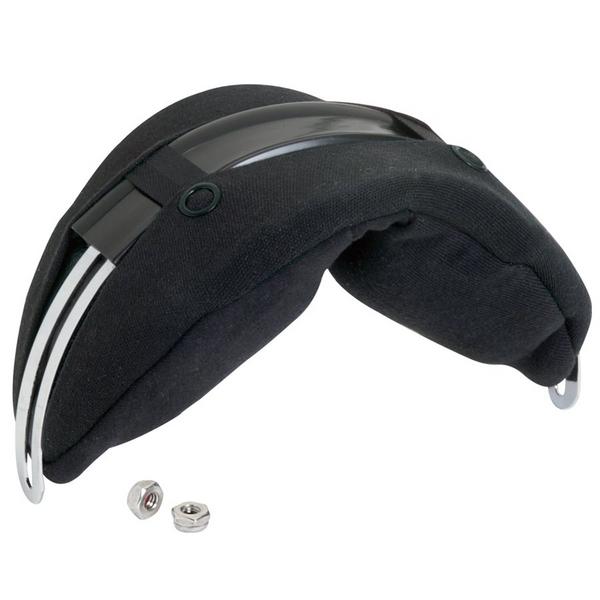
Comfort is another critical component. Headsets should be lightweight, with features such as comfort-gel ear seals, adjustable headbands, and soft foam head pads, to allow long-term wear without irritation or fatigue. Brands like David Clark are known for prioritizing both noise protection and ergonomic design, making them a go-to for aviation professionals worldwide.
The Bottom Line
Hearing protection isn’t just about compliance – it’s about safeguarding your workforce, improving safety, and ensuring efficient operations across every aviation role. Whether you're servicing aircraft, directing ground traffic, or handling high-powered tools, aviation hearing protection headsets are your best defense against the long-term effects of noise exposure.
At Pilot John International® (PJi®), we proudly offer premium-grade hearing protectors from industry leader David Clark – a brand synonymous with durability, comfort, and cutting-edge noise reduction.
Featured Models from David Clark
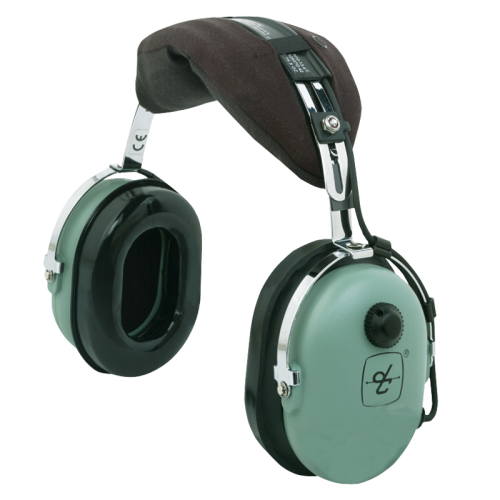
- David Clark ENC Hearing Protector Headset (Model 40752G-01)
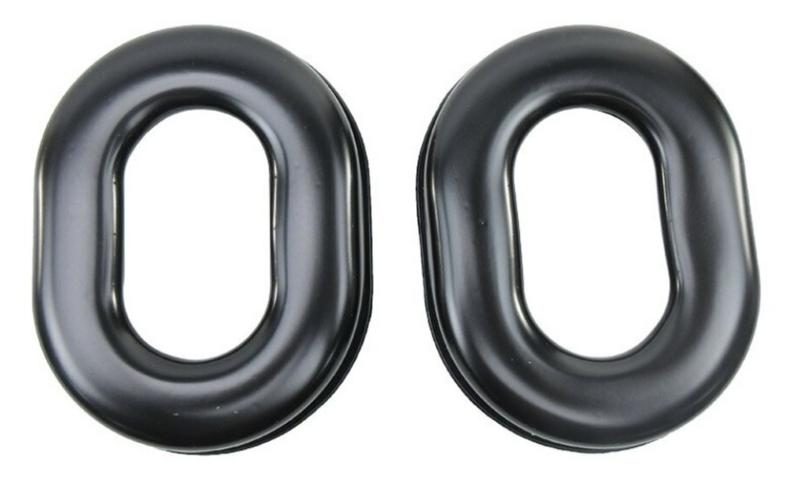
This over-the-head style headset offers an NRR of 27 dB, with an extra 17 to 22 dB at lower frequencies when the electronic noise cancellation (ENC) feature is activated. It includes a rotary on/off ENC switch, dual battery packs (30-hour runtime), and patented undercut comfort-gel ear seals for superior comfort and seal integrity. - David Clark 10S/DC Listen-Only Stereo Headset (Model 12416G-18)
Designed for passive hearing protection with a noise reduction rating of 23 dB, this headset delivers stunning stereo sound via high-fidelity earphone elements (10-20,000 Hz). Comfort features include super-soft, double-foam head pads, undercut gel ear seals, and dual volume controls – making it ideal for prolonged use in high-noise environments.
If you’re looking to invest in the best hearing protection for your team, trust the experts at PJi. We’ll help you choose the ideal David Clark aviation headset based on your specific application, environment, and communication needs.
Reach out to our aviation specialists by phone, email, or live chat today. Let us help you find the right hearing protection headset to protect your crew and elevate your operations.