Why Load Bank Testing Matters for GPU Maintenance
Key Takeaways
- A GPU load bank simulates the electrical load an aircraft places on a ground power unit, allowing technicians to evaluate voltage, current, frequency, and power quality under controlled conditions – without risking actual aircraft systems.
- Load bank testing supports three test types: static (constant load), dynamic (variable load), and cyclical (repeated loading and unloading) – together validating GPU performance across the range of stress conditions it will face in real operations.
- Beyond performance verification, load banks serve additional maintenance functions: acceptance testing of new GPUs before deployment, and decarbonization of diesel-powered GPU engines by running the unit at full capacity to prevent performance degradation and engine damage.
- GPU power analyzers complement load bank testing by monitoring real-time electrical output – measuring voltage, current, frequency, power factor, and harmonic distortion to detect irregularities before they cause equipment damage or aircraft power supply issues.
- Three load bank configurations cover different aviation applications: 400 Hz AC for commercial and military aircraft avionics and lighting systems, 28V DC for smaller aircraft and helicopters, and 270V DC for advanced military aircraft platforms.
- PJi offers 400 Hz AC, 28V DC, and 270V DC load banks from Dekal and MCM Engineering, along with AC, DC, and AC/DC power analyzers – with Dekal's digital models offering USB, Wi-Fi connectivity, and proprietary software for data logging and performance reporting.
Ground power units (GPUs) are critical for delivering stable electrical power to aircraft during ground operations. To ensure these units operate reliably and efficiently, regular load bank testing is essential. A load bank simulates an aircraft's electrical load, enabling maintenance teams to assess the GPU's performance under controlled conditions. Various types of GPU load banks and power analyzers are used in aviation, each suited to different testing needs. Trusted brands like Dekal and MCM Engineering offer industry-leading solutions for aircraft ground support professionals.
In this article, we’ll explore what load banks are, how they work, their role in aircraft maintenance, and how GPU power analyzers support ground operations. We’ll also look at the most common types of GPU testing equipment and where to source high-quality load banks and analyzers for your maintenance setup.
What Is a Load Bank, and How Does It Work?
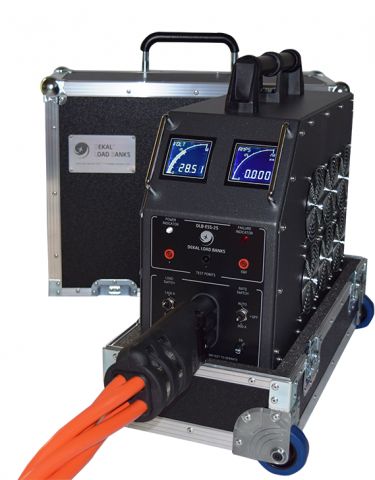
A load bank is an electrical testing device that simulates the real-world electrical load an aircraft places on a ground power unit. By providing a controlled resistive or reactive load, the load bank enables technicians to evaluate the GPU's output, performance, and reliability under different load conditions. This controlled environment is ideal for identifying potential issues before they impact operations.
When connected to a GPU, the load bank applies electrical loads through switches calibrated to specific output levels. These loads simulate various onboard systems that the aircraft would normally power during ground servicing. The GPU’s response is measured in terms of voltage, current, frequency, and power quality. This information helps technicians determine whether the GPU is functioning properly and capable of delivering consistent power at full capacity.
Load bank testing supports various test types, including static (constant load), dynamic (variable load), and cyclical (repeated loading/unloading) tests. These methods validate a GPU's performance under different stress conditions, ensuring that all components meet their intended specifications. This proactive approach helps prevent unexpected failures, improve performance, and ensure operational readiness.
What Are Load Banks Used for in Aircraft Maintenance?
Load banks play a pivotal role in ensuring that GPUs deliver consistent and reliable power to aircraft during ground servicing. These devices simulate the electrical load of an aircraft to assess GPU performance without risking actual aircraft systems.
During maintenance, load banks are used to verify a GPU’s voltage, current, frequency, and power output. This testing ensures the unit meets the required performance thresholds before deployment. For diesel-powered GPUs, load banks also enable decarbonization of the engine by running the unit at full capacity, helping maintain performance and prevent engine damage.
Technicians use load banks to identify issues by simulating load conditions that reveal performance abnormalities. Load banks are also essential for acceptance testing of new GPUs, ensuring that units meet manufacturer specifications before being placed in service. Regular load bank testing minimizes operational downtime, improves safety, and extends the service life of expensive ground support equipment.
How Do GPU Power Analyzers Support Aircraft Ground Operations?
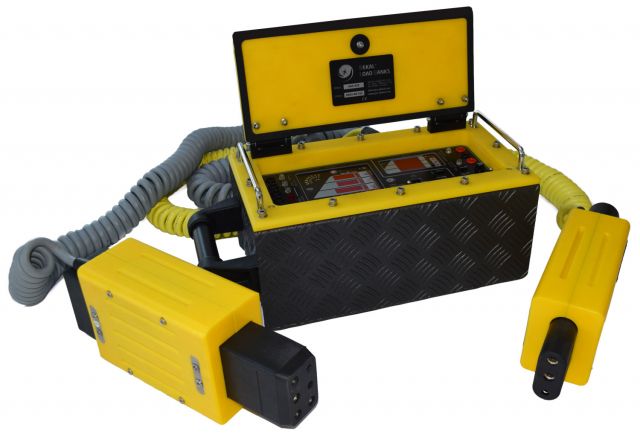
GPU power analyzers monitor the electrical output of ground power units, ensuring the power delivered to aircraft systems is stable, efficient, and within specification. These devices provide real-time diagnostics and detailed electrical measurements that support preventative maintenance and compliance with aviation standards.
Power analyzers measure critical parameters like voltage, current, frequency, power factor, and harmonic distortion. Advanced GPU analyzers can detect irregularities in power delivery, such as fluctuations or load imbalances, that might lead to equipment malfunctions or damage. By identifying these issues early, technicians can take corrective actions before they escalate into more serious problems.
Whether you’re using an AC power analyzer, a DC analyzer, or a combined AC/DC model, the device ensures GPUs deliver clean, reliable power for sensitive aircraft electronics. Regular use of GPU power analyzers supports safe ground operations, reduces maintenance costs, and enhances overall efficiency in aviation maintenance workflows.
What Are the Most Common Types of GPU Load Banks and Power Analyzers?
Several types of GPU load banks and power analyzers are available, each tailored to specific testing requirements. The most common are resistive load banks, which convert electrical energy into heat to simulate electrical loads. Reactive load banks, on the other hand, incorporate inductive or capacitive components to simulate dynamic loads.
400 Hz AC GPU Load Banks
These are used to test GPUs that deliver 400 Hz alternating current, a frequency commonly used in aviation. They simulate onboard systems such as avionics and lighting, ensuring the GPU maintains frequency stability under various load conditions. These load banks are critical for both commercial and military aircraft support.
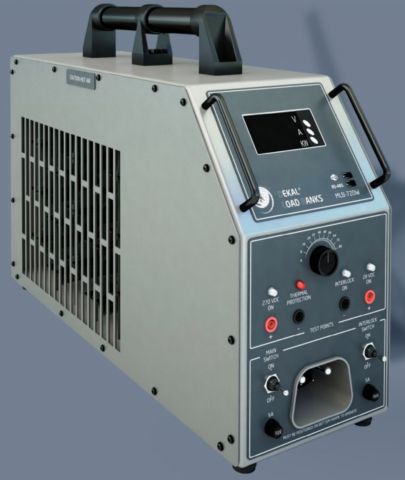
28V DC GPU Load Banks
Designed for testing GPUs that deliver 28V direct current, these load banks are used extensively for smaller aircraft and helicopters. Available in both analog and digital configurations, they allow technicians to measure and record key output parameters, such as voltage and amperage. Digital models often include USB and Wi-Fi connectivity for enhanced data analysis.
270V DC GPU Load Banks
270V DC load banks are primarily used in military aviation to test GPUs for advanced aircraft systems. These units are equipped with digital features that support Wi-Fi and USB data logging, enabling performance reports and diagnostics that comply with strict defense maintenance standards.
GPU Power Analyzers
GPU power analyzers come in three main types – AC, DC, and AC/DC – each designed to support specific aircraft ground power systems. AC GPU power analyzers measure and monitor 400 Hz AC output, verifying voltage consistency, frequency accuracy, and clean power delivery for commercial aircraft applications.
DC GPU power analyzers are ideal for 28V DC systems, detecting voltage drops and load inconsistencies while ensuring the GPU meets critical aircraft power requirements. For environments where multiple GPU types are in use, AC/DC power analyzers offer the flexibility to evaluate both AC and DC outputs, making them a versatile solution for mixed-power ground operations.
These analyzers play a vital role in GPU maintenance by providing accurate diagnostics, supporting troubleshooting, and helping technicians ensure compliance with aviation power standards.
Where Can I Purchase High-Quality GPU Testing Equipment?
Pilot John International® (PJi®) is a trusted source for GPU load banks and power analyzers. Among its premier offerings are advanced testing solutions from Dekal, a leading name in GPU maintenance technology. Dekal manufactures both analog and digital load banks for 400 Hz AC, 28V DC, and 270V DC applications, with digital models offering USB and Wi-Fi connectivity for real-time data analysis.
Dekal's power analyzers are equally robust, available in AC, DC, and combined AC/DC formats. These analyzers provide up to 16 simultaneous measurements, allowing precise monitoring of GPU performance. Dekal’s proprietary software enables technicians to log data, generate graphs, and export detailed reports, all from a PC, tablet, or smartphone. Every Dekal product is backed by a 24-month warranty and comes housed in a rugged, protective case.
MCM Engineering also supplies reliable 400 Hz AC GPU load banks, including resistive and reactive models. These analog load banks are built for durability and offer consistent performance under demanding field conditions. MCM’s equipment is well-suited for commercial aviation environments where accuracy and longevity are critical.

The Bottom Line
Load bank testing is a vital component of effective GPU maintenance, ensuring that ground power units perform reliably under real-world conditions. With the right GPU load bank and power analyzer, technicians can verify electrical output, troubleshoot potential issues, and ensure consistent, safe power delivery to aircraft systems.
PJi offers a wide selection of 400 Hz AC, 28V DC, and 270V DC GPU load banks, as well as AC, DC, and AC/DC power analyzers from top brands like Dekal and MCM Engineering. If you need help selecting the best equipment for your aircraft maintenance operations, our knowledgeable aviation specialists are here to help. Contact us by phone, email, or live chat today!