




Winter-Proofing Your Ground Support Equipment: Essential Tips
Key Takeaways
- Winter conditions place added stress on ground support equipment – increasing the risk of mechanical failures, safety hazards, and operational delays.
- Conducting thorough pre-winter inspections helps identify and address issues early – preventing costly breakdowns during peak cold-weather operations.
- Proper battery care, lubrication, and hydraulic fluid management are critical – as cold temperatures can reduce performance and damage key systems.
- Maintaining tires, traction, and electrical systems improves safety and reliability – especially on icy or snow-covered surfaces.
- Storing GSE in protected environments and performing routine operation checks helps preserve equipment condition – reducing long-term wear.
- Ongoing operator training and detailed maintenance documentation support safer operations – while improving efficiency and compliance throughout the winter season.
As winter approaches, ensuring that your aircraft ground support equipment (GSE) is prepared for colder temperatures is essential for maintaining operational efficiency and safety. Proper winter maintenance not only extends the lifespan of your equipment but also minimizes downtime and reduces the risk of accidents during ground operations.
In this comprehensive guide, we’ll provide key maintenance tips to keep your GSE in optimal condition throughout the winter months while highlighting how Pilot John International® (PJi®) can help with all your routine and preventative GSE maintenance needs.
Why Winter Maintenance Matters for GSE
Winter introduces unique challenges that can strain ground support equipment, including extreme temperatures, ice, and snow, and increased wear on mechanical and electrical components. Proper maintenance is not just about keeping your equipment running – it’s about ensuring safety, reducing downtime, and protecting your investment.
Poorly maintained GSE can lead to a cascade of problems, including missed schedules, increased repair costs, and even aircraft damage. The PJi Mobile Service Team offers on-site preventative GSE maintenance services, helping you identify and address issues before they escalate. By staying proactive and vigilant throughout the season, you can mitigate these risks and keep your operations on track.
Conduct Comprehensive Pre-Winter Inspections
Before the onset of winter, perform thorough inspections of all GSE to identify and address potential issues:
- Visual Inspections – Examine equipment for signs of wear, corrosion, or damage. Pay close attention to moving parts, hydraulic systems, and electrical components.
- Functional Tests – Operate each piece of equipment to ensure all systems are functioning correctly. Listen for unusual noises and monitor for irregular movements.
- Fluid Checks – Verify that all fluid levels, including lubricating oils, hydraulic fluids, and coolants, are within acceptable ranges. Top off or replace fluids as necessary.
Addressing issues identified during these inspections before winter conditions set in can prevent equipment failures and ensure readiness for cold-weather operations.
Battery Maintenance
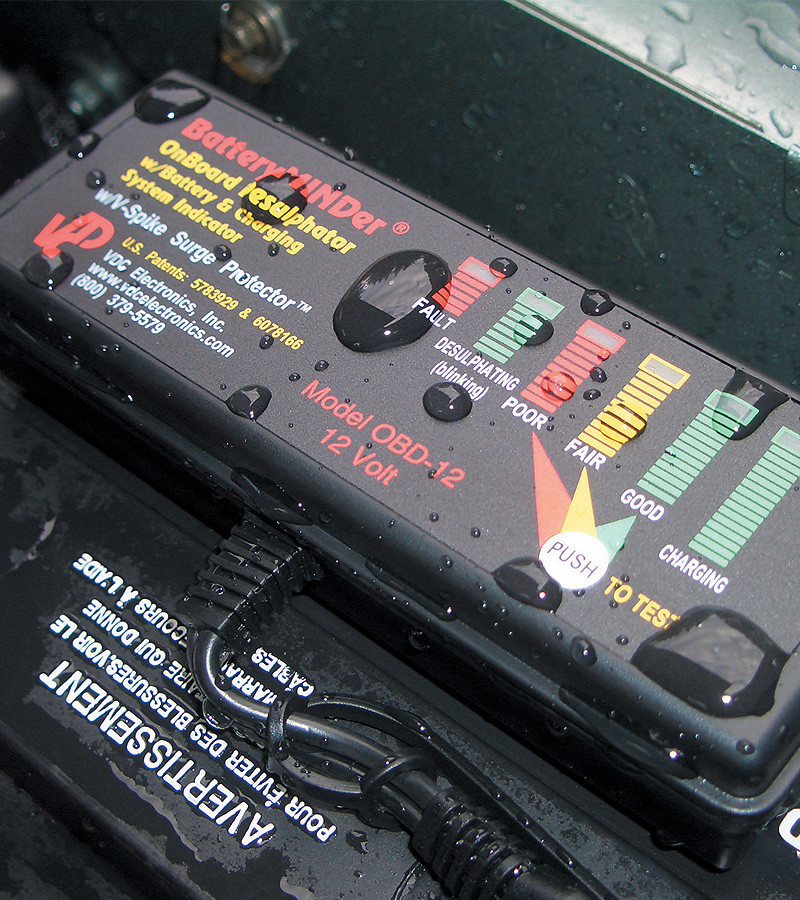
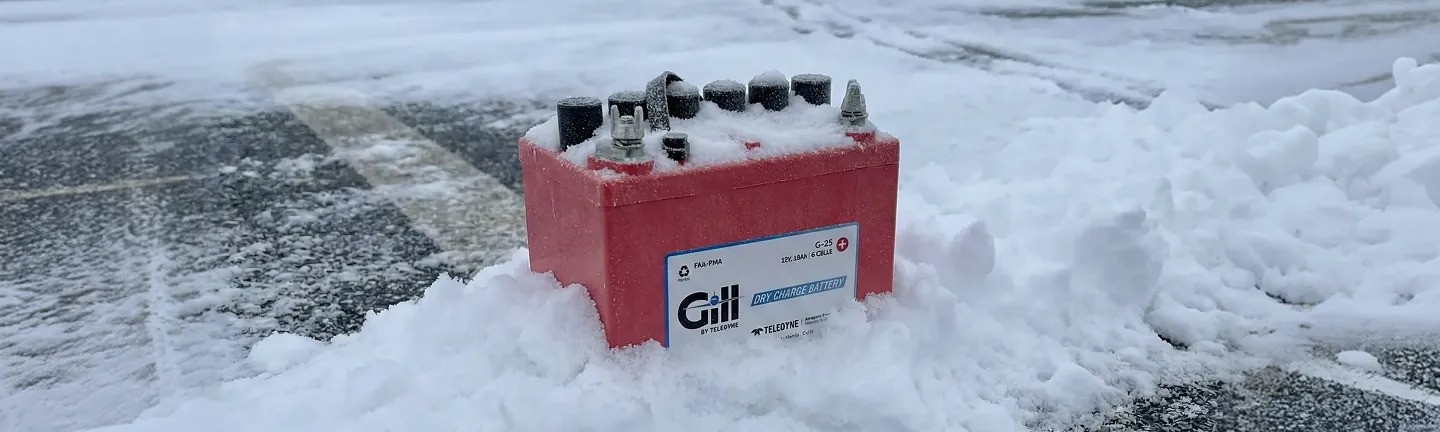
Cold temperatures can significantly impact battery performance. Implement the following maintenance practices to ensure reliable operation:
- Charge Maintenance – To prevent freezing and maintain peak performance, use a high-quality battery charger to keep your batteries fully charged.
- Regular Inspections – Check batteries for cracks, swelling, or leaks. Replace any batteries showing signs of damage.
- Water Levels – For lead-acid batteries, check water levels every 30 days and refill with distilled water as needed. Avoid overfilling to prevent overflow during charging.
- Terminal Cleaning – Keep battery terminals clean and free of corrosion. Use a wire brush to remove any buildup, ensuring a solid electrical connection.
Proper battery maintenance is crucial, as a single faulty cell can render equipment inoperable.
Lubrication of Moving Parts
Cold weather can cause lubricants to thicken, increasing friction and wear. To mitigate this:
- Use Winter-Grade Lubricants – Switch to lubricants formulated for low temperatures, such as MIL-PRF-5606 or MIL-PRF-87257 hydraulic fluid, to ensure proper viscosity and performance.
- Regular Application – Grease and lubricate all moving parts, including joints, bearings, and hinges, according to the manufacturer's recommendations.
- Monitor for Wear – Regularly inspect lubricated components for signs of wear or damage, and replace parts as necessary.
Consistent lubrication reduces the risk of mechanical failures and extends the lifespan of your equipment.
Tire and Traction Management
Maintaining proper traction is vital for safe GSE operation on icy or snowy surfaces:
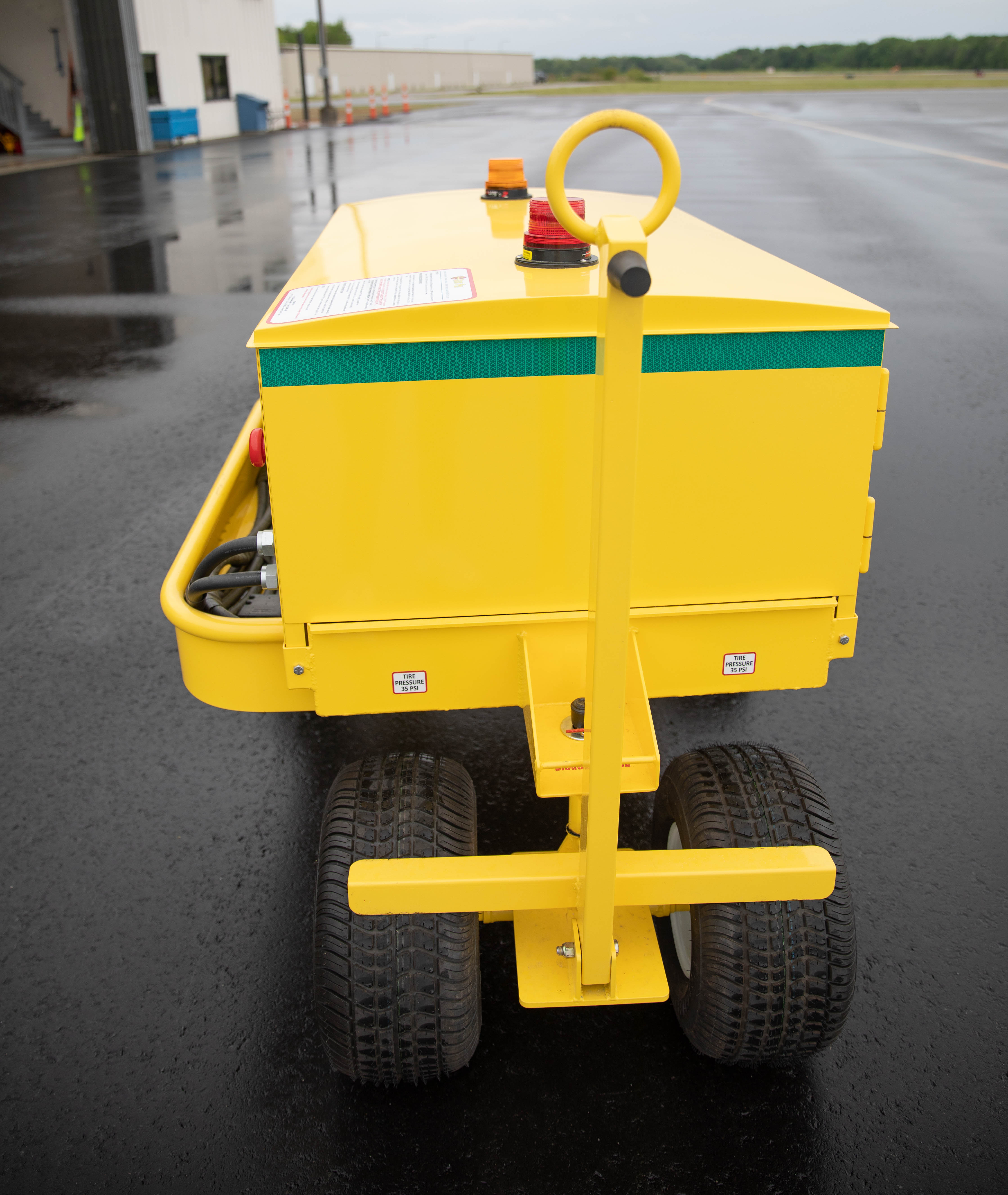
- Tire Inspections – Check tire pressure regularly, as cold temperatures can cause pressure to drop. Ensure tires are inflated to the manufacturer's specifications.
- Tire Chains – Install tire chains on equipment to enhance traction in snowy or icy conditions. Ensure chains are properly fitted and regularly inspected for wear.
- Tread Depth – Verify that tire treads are sufficient for winter conditions. Replace tires with worn treads to maintain optimal grip.
Proper tire maintenance and traction aids are essential for preventing accidents and ensuring efficient ground operations.
Hydraulic System Care
Hydraulic systems are sensitive to temperature fluctuations. To maintain their performance:
- Fluid Checks – Ensure hydraulic fluid levels are adequate and use fluids rated for low temperatures to prevent thickening.
- Filter Replacement – Change hydraulic filters before winter to ensure clean fluid circulation and prevent system blockages.
- Leak Inspections – Examine hoses and cylinders for leaks, cracks, or signs of wear. Replace any compromised components promptly.
Maintaining the hydraulic system prevents malfunctions and ensures smooth equipment operation during winter.
Electrical System Maintenance
Cold weather can affect electrical components, leading to malfunctions:
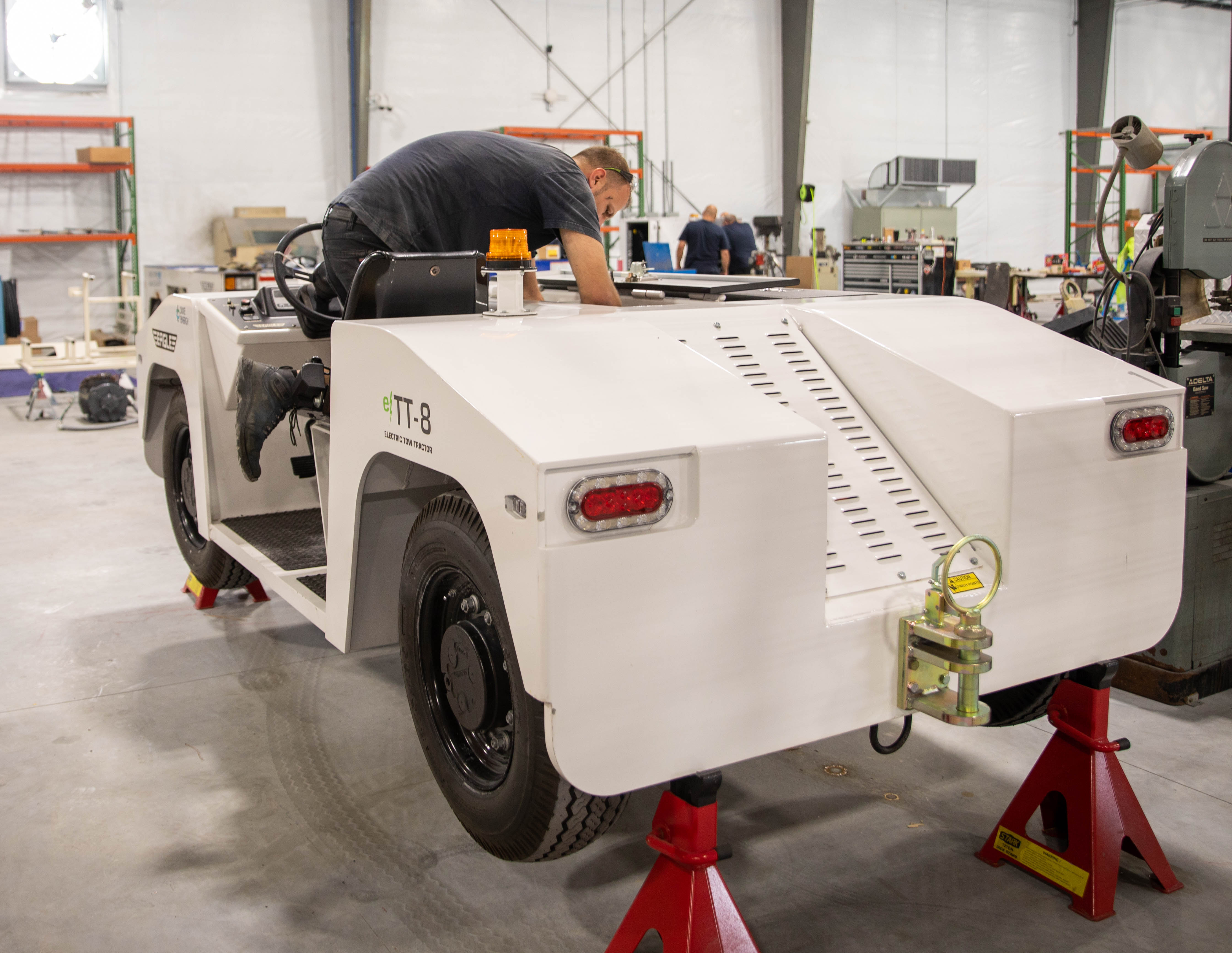
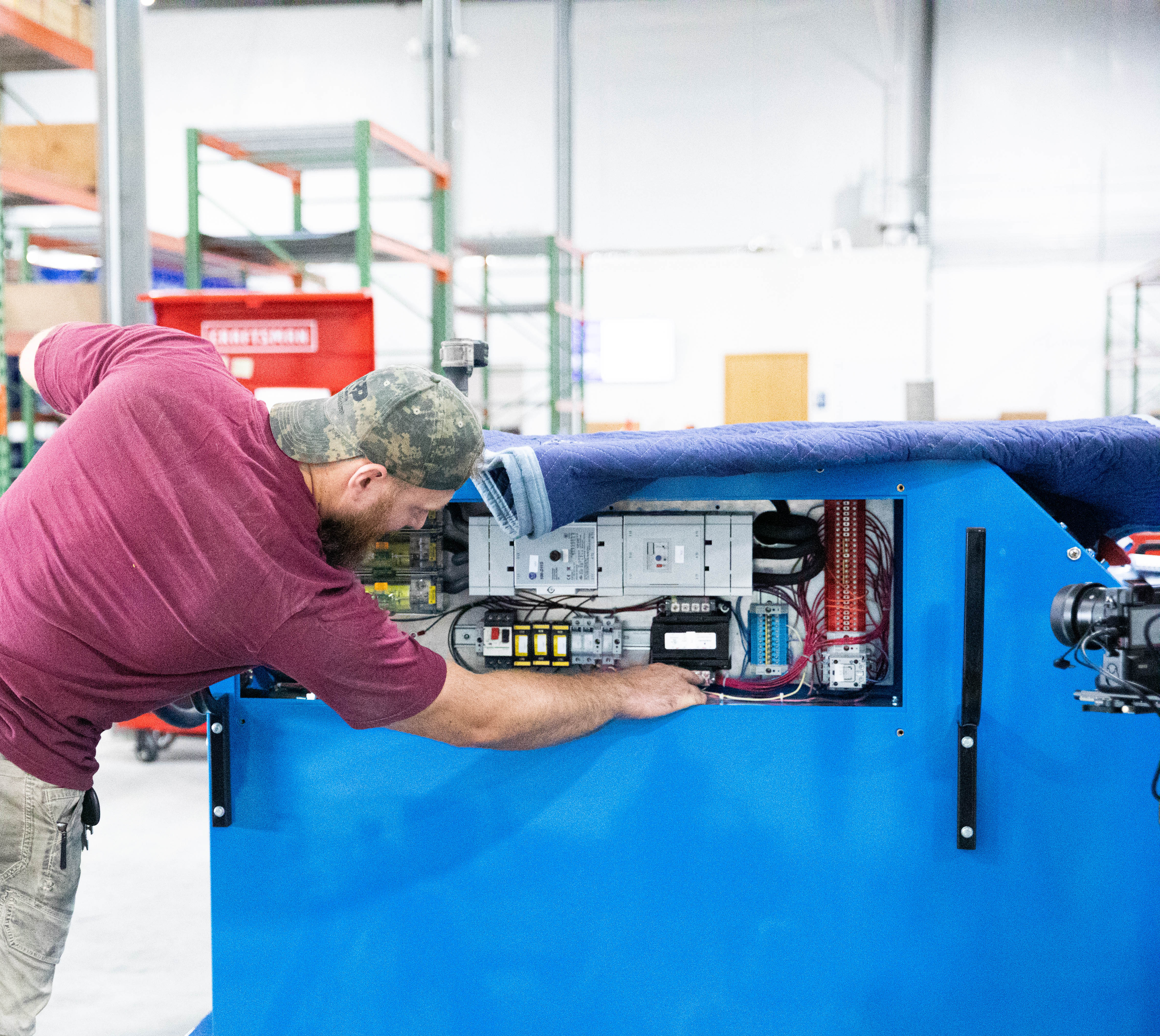
- Connection Checks – Inspect all electrical connections for corrosion or looseness. Clean and secure connections as needed.
- Component Testing – Test lights, switches, and other electrical components to ensure proper functionality. Replace faulty parts immediately.
- Protective Measures – Use dielectric grease on connections to prevent moisture ingress and corrosion.
A well-maintained electrical system is crucial for reliable equipment performance in winter conditions.
Operator Training and Safety
Ensuring that personnel are trained for winter operations enhances safety and efficiency:
- Winter Operation Training – Provide training on operating GSE in winter conditions, including handling techniques on icy surfaces and the use of tire chains. The PJi Mobile Service Team offers onsite GSE operation training.
- Safety Protocols – Reinforce safety procedures, including pre-operation inspections and emergency response protocols.
- Personal Protective Equipment (PPE) – Ensure operators have appropriate winter PPE, including insulated gloves and footwear with good traction.
Well-trained personnel are better equipped to handle the challenges of winter operations, reducing the risk of accidents and equipment damage.
Storage and Shelter
Proper storage of GSE during winter can prevent weather-related damage:
- Indoor Storage – Whenever possible, store equipment indoors to protect it from snow, ice, and freezing temperatures.
- Protective Covers – Use weather-resistant covers for equipment stored outdoors to shield it from the elements.
- Regular Use – Operate equipment periodically to prevent components from seizing and to keep fluids circulating.
Protecting equipment from harsh weather conditions extends its lifespan and maintains readiness for operations.
Documentation and Record-Keeping

Maintaining detailed records of maintenance activities is essential:
- Maintenance Logs – Document all inspections, repairs, and maintenance tasks performed on each piece of equipment.
- Scheduled Maintenance – Adhere to manufacturer-recommended maintenance schedules and record completion dates.
- Issue Tracking – Keep a record of any issues identified and the corrective actions taken.
Accurate documentation ensures compliance with safety regulations and facilitates proactive maintenance planning.
The Bottom Line
Winter maintenance for ground support equipment requires diligence, attention to detail, and the right resources. By following the tips outlined in this guide, you can ensure your GSE is ready to handle the toughest winter conditions.
At PJi, we are committed to supporting your ground operations with high-quality GSE parts, tooling, and expert advice. We also offer comprehensive maintenance and repairs for a wide variety of ground support equipment at our GSE service center or directly at your location through our Mobile Service Team.
Our friendly and knowledgeable aviation specialists are here to help you Stay Flight-Ready® with the best solutions for maintaining your GSE all year long. Contact us today by phone, chat, or email to learn more about how we can support your winter maintenance needs and ensure your equipment operates at its best.