






Create yours now for free.

Need a Quote?
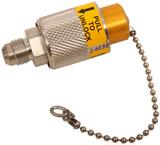
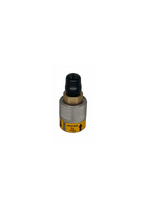
The OMP2505-3 is a bulkhead half coupling.
| General Information | |
|---|---|
| Part # | OMP2505-3 |
| Manufacturer | CGSE |
Customers also viewed
AIRCRAFT COMPATIBILITY
| Compatible Aircraft* |
|---|
PRODUCT REVIEWS
QUESTIONS & ANSWERS
The OMP2505-3 bulkhead half coupling is designed to connect hydraulic or fuel lines through a bulkhead panel or wall. It enables a secure and leak-resistant interface between stationary and mobile components in ground support equipment (GSE) systems. This makes it ideal for high-pressure fluid transfer operations, especially in aircraft fueling and maintenance systems where reliable separation between compartments is necessary.
The OMP2505-3 features precision-machined threads and a compatible sealing surface to maintain a tight, leak-proof connection under pressure. It is engineered to minimize fluid leakage during connection and disconnection, making it suitable for critical fueling applications. Proper installation and torque are essential to ensure leak-free operation.
This bulkhead coupling is commonly used in aircraft fueling equipment, fluid transfer assemblies, and high-pressure GSE hose systems. It provides a secure way to pass hydraulic or fuel lines through structural bulkheads without compromising pressure containment or serviceability. You’ll often find it integrated into fueling carts, hydraulic test stands, and fluid filtration carts.
The OMP2505-3 bulkhead half coupling is typically constructed from high-strength aluminum or stainless steel with corrosion-resistant treatment. This ensures reliable performance in harsh airport environments exposed to hydraulic fluids, fuels, and varying temperatures. The material choice also supports weight savings in mobile GSE units.
Designed for rugged field use, the OMP2505-3 offers long-lasting durability with minimal maintenance. Its corrosion-resistant construction and tight sealing interface allow it to withstand high fluid pressures and repeated use in demanding aviation environments. Regular inspection and proper handling further extend the product’s service life.
Standard wrenches and torque tools are typically all that’s required for installing the OMP2505-3 bulkhead half coupling. However, torque specifications should be followed carefully to ensure proper sealing without damaging the threads or connection surfaces. Always refer to manufacturer guidelines for detailed instructions.
While exact ratings may vary depending on system configuration, the OMP2505-3 is generally suitable for pressures up to 300 PSI in typical GSE and fueling system applications. Refer to the OEM spec sheet or consult your system integrator to verify the pressure rating in your specific use case.
Yes, the OMP2505-3 bulkhead coupling is built to withstand temperature extremes commonly found in aviation fueling and hydraulic systems. It retains sealing integrity even when exposed to elevated temperatures during aircraft servicing operations. However, temperature limits should still be checked against system specs.
Signs of wear include thread damage, visible corrosion, reduced sealing ability, or difficulty in maintaining pressure. If leaks or inconsistent performance occur, the coupling should be inspected and replaced as needed. Periodic inspection is recommended, especially in high-use ground handling environments.
The OMP2505-3 uses precision-machined metal-to-metal contact or optional O-ring sealing, depending on the coupling style. These seals prevent fluid leakage while allowing quick connection and disconnection during maintenance or fueling. To maintain system integrity, use only compatible replacement seals.
The OMP2505-3 is manufactured to meet industry specifications for safety and performance in aerospace fueling and hydraulic systems. While specific certifications may depend on the application, the coupling typically complies with ATA-103 and other aviation maintenance standards for GSE components.


Thanks for the great service.