






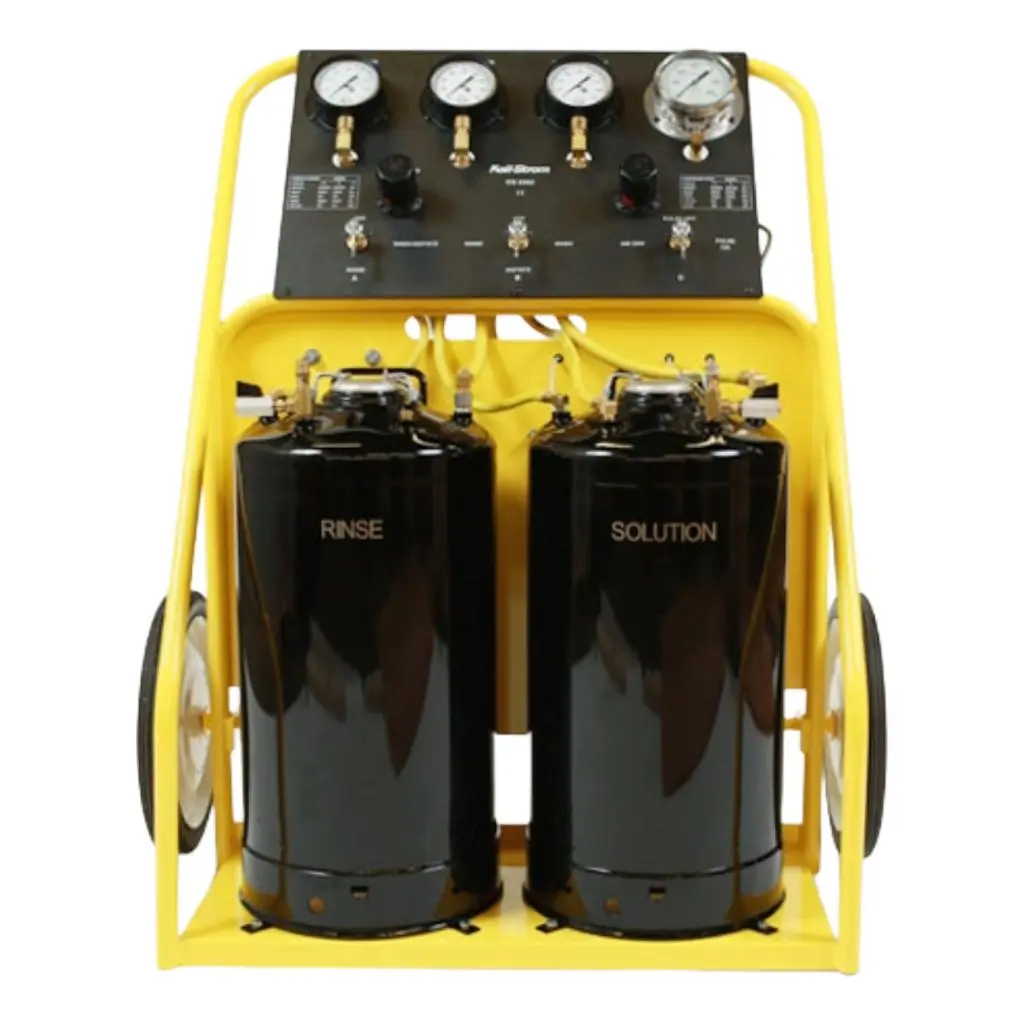
Kell-Strom KS5562 High-Pressure Engine Compressor Washer


Create yours now for free.

Need a Quote?
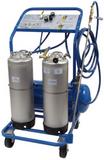
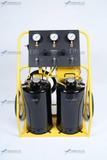
The Kell-Strom KS5562 is a high-pressure engine compressor washer for select Pratt & Whitney Canada aircraft engines.
| General Information | |
|---|---|
| Part # | KS5562 |
| Manufacturer | Kell-Strom |
| NSN | 4920001514084 |
| Shipping Information | |
|---|---|
| Shipping Weight | 362 lbs. |
| Shipping Dimensions | 50 x 46 x 35 in. |
| Freight NMFC | 177680 |
| Schedule B | 8205599000 |
| ECCN | EAR99 |
Customers also viewed

AIRCRAFT COMPATIBILITY
| Compatible Aircraft* |
|---|
PRODUCT REVIEWS
This item does not have any reviews yet.
QUESTIONS & ANSWERS
An engine compressor washer is used to clean the internal compressor sections of an aircraft engine, removing built-up contaminants such as oil, dirt, salt, and carbon residue. These contaminants can reduce engine efficiency, increase fuel consumption, and accelerate wear. Regular compressor washing helps restore optimal airflow through the engine, thereby improving performance and extending the life of components. High-pressure units, such as the Kell-Strom KS5562 Engine Compressor Washer, are commonly used for deeper cleaning and increased maintenance efficiency.
A high-pressure engine compressor washer delivers cleaning fluid at a significantly higher pressure, allowing it to penetrate and remove stubborn deposits from compressor blades and vanes. This level of cleaning is particularly useful for engines exposed to harsh environments, such as saltwater or desert conditions. The Kell-Strom KS5562 High-Pressure Compressor Washer, for example, is designed to meet Pratt & Whitney Canada specifications for precision and reliability in these demanding applications.
Regular compressor washing helps maintain optimal engine efficiency by ensuring that airflow through the compressor section remains unobstructed. Contaminant buildup can increase turbine temperature, reduce thrust, and lead to higher maintenance costs. By using an engine compressor washer, maintenance teams can extend engine life, improve fuel efficiency, and minimize the risk of unplanned downtime.
The recommended washing interval depends on the engine type, operating environment, and manufacturer’s maintenance program. Aircraft operating in dusty, coastal, or polluted regions typically require more frequent washing to prevent corrosive buildup. Most manufacturers, including Pratt & Whitney Canada, provide specific intervals in their maintenance manuals, which should be followed for consistent engine performance.
Engine compressor washing can be performed either in the hangar or on the flight line, depending on the equipment used and the facility setup. Portable, high-pressure units enable thorough cleaning in the field without the need to remove the engine. However, some operators prefer hangar-based servicing for greater control over environmental conditions and waste fluid collection.
Technicians should wear proper protective equipment, including gloves and eye protection, and ensure that all electrical connections and hoses are properly secured before operation. The cleaning fluid pressure should be adjusted according to the engine manufacturer’s specifications to prevent damage to internal components. Additionally, care must be taken to capture and dispose of used cleaning fluid in compliance with environmental regulations.
Most compressor washers are equipped with calibrated gauges and control systems that regulate both flow and pressure. Technicians follow specific engine maintenance procedures, which dictate the volume and duration of the cleaning cycle. Units like the Kell-Strom KS5562 feature precision controls that enable accurate fluid delivery and efficient cleaning, thereby reducing waste while ensuring consistent results.
A properly cleaned compressor restores optimal airflow, improving engine thrust and lowering exhaust gas temperature (EGT). This directly contributes to reduced fuel burn and more stable engine performance. Over time, consistent use of high-pressure compressor washers helps maintain peak engine efficiency, minimizes wear, and supports better return on maintenance investment.


