






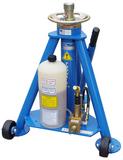
02C0520C0111 - Tronair 02-0520C0111 – 5-Ton Tripod Jack


Create yours now for free.
The 02C0520C0111 is a specific part number of the series Tronair 02-0520C0111. For more generalized information on this item series or for more options, click here.

Need a Quote?
| Alternate Models | |
|---|---|
| 02-0520-0100 | Previous Model Number |
| 02-0520-0110 | Previous Model Number |
| 02-0520C0110 | Previous Model Number (CE) |
| 02C0520C0111 | Spring Loaded Casters (Factory Installed) |
| General Information | |
|---|---|
| Part # | 02C0520C0111 |
| Manufacturer | Tronair |
| Manual 1 | View Tronair 02-0520C0111 Parts and Operation Manual |
| Shipping Information | |
|---|---|
| Shipping Weight | 150 lbs. |
| Shipping Dimensions | 25 x 21 x 25 in. |
| Freight NMFC | 186600 |
| Schedule B | 8425420000 |
| ECCN | EAR99 |
Customers also viewed
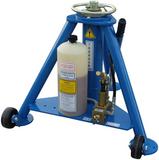
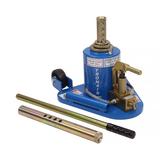
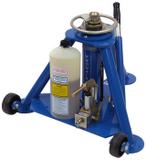
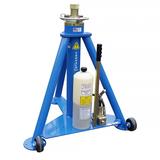
Customers who bought this item also purchased
AIRCRAFT COMPATIBILITY
| Compatible Aircraft* | |
|---|---|
| Bell | 214 , 214ST , 222 , 230 , 430 |
| Bombardier |
Learjet 60
NOTE
This jack is used on the aircraft's nose landing gear.
|
| Cessna |
Bravo
NOTE
This jack is used on the nose landing gear.
,
Citation CJ1
NOTE
A jack pad kit (K-3314) is required for use with this nose landing gear jack.
,
Citation CJ2
NOTE
A jack pad kit (K-3314) is required for use with this nose landing gear jack.
,
Citation CJ3
NOTE
A jack pad kit (K-3314) is required for use with this nose landing gear jack.
,
Citation CJ4
NOTE
This jack is used on the nose landing gear.
,
Citation Encore 560
NOTE
An adapter kit (K-3314) is required for this nose landing gear jack.
,
Citation I 500
NOTE
This jack is used on the nose landing gear.
,
Citation I/SP 501
NOTE
This jack is used on the nose landing gear.
,
Citation II 550
NOTE
This jack is used on the nose landing gear.
,
Citation M2
NOTE
A jack pad adapter (K-3314) is required for use on this nose landing gear jack.
,
Citation SII
NOTE
This jack is used on the nose landing gear.
,
Citation Ultra 560
NOTE
A jack pad (R-2008) is required for use with this nose landing gear jack.
,
Citation V
NOTE
This jack is used on the nose landing gear.
|
| Grob | G120A , G120TP |
PRODUCT REVIEWS
QUESTIONS & ANSWERS
Yes, the jack is designed for use between -4°F and 122°F (-20°C to 50°C), and it can be stored outdoors if properly protected. Tronair recommends using a full coverage waterproof tarp or canvas during outdoor storage to shield the hydraulic seals and components from dirt, water, and foreign debris.
The 02-0520C0111 jack is designed to operate with MIL-PRF-5606 hydraulic fluid. This fluid is non-polluting and widely used in aviation hydraulic systems, ensuring compatibility with other aircraft ground support equipment and easy maintenance.
The jack must be placed on a clean, level, and hard surface directly under the aircraft’s approved jack pad. Operators should never attempt to align the jack by striking its legs, as this can damage the structure and lead to unsafe conditions. Always follow the aircraft manufacturer’s jacking procedures.
The jack includes a ram locknut that mechanically secures the load and a pressure relief valve to prevent overload during lifting. Additionally, caution labels are placed directly on the unit to guide operators during use, reducing the chance of misuse.
The jack can be operated manually via a hydraulic hand pump or pneumatically when equipped with the optional air pump. To raise the aircraft, the operator extends the ram while keeping the locknut within one inch of the cylinder base. To lower, the locknut is released and the pump valve opened slowly to ensure a controlled descent.
Tronair recommends a 90-day inspection and a 12-month load test. Routine checks should include monitoring fluid levels, inspecting casters, and cleaning the jack annually or as needed. Seal replacement kits are available to support long-term reliability.
The jack can be rolled by hand on its integrated casters for short distances around the hangar. For longer moves or shipping, it should be lifted with a forklift or crane and secured in a freight-rated crate to prevent damage.
This jack is intended for use by trained and skilled aircraft maintenance personnel. Operators must be familiar with both the operation of the jack and the specific jacking procedures for the aircraft being serviced. Employers are responsible for ensuring adequate operator training.


