






Create yours now for free.

Need a Quote?
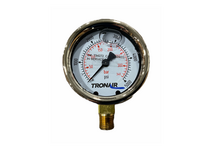
The Tronair HC-1784 Pressure Gauge is a 0 to 300 PSI replacement gauge designed for use with select Tronair aircraft tire pressure gauges. It provides clear, reliable pressure readings to support accurate aircraft tire servicing during routine maintenance and ground handling operations.
| General Information | |
|---|---|
| Part # | HC-1784 |
| Manufacturer | Tronair |
| Shipping Information | |
|---|---|
| Product Weight | 0.9 lbs. |
| Product Dimensions | 3 x 3 x 3 in. |
| ECCN | EAR99 |
Customers also viewed
Customers who bought this item also purchased
AIRCRAFT COMPATIBILITY
| Compatible Aircraft* |
|---|
PRODUCT REVIEWS
This item does not have any reviews yet.
QUESTIONS & ANSWERS
The Tronair HC-1784 Pressure Gauge (0 to 300 PSI) is commonly used with Tronair tire pressure gauges to support accurate tire inflation checks on a wide range of aircraft. It’s ideal for ground support environments where reliable pressure measurement is essential for safety and performance. While it’s often used with tire servicing tools, it can also be integrated with compatible gauges for other low-pressure pneumatic checks when appropriate. Always confirm that the gauge range matches the application to avoid misreads.
The HC-1784 gauge delivers precise pressure readings across its 0 to 300 PSI range, helping technicians quickly assess tire pressure. Proper calibration and regular inspection help maintain that accuracy over time, especially in high-use hangar environments. Keeping the gauge clean and free of impacts or drops further preserves its ability to deliver reliable readings. Consistent use of quality gauges, such as the HC-1784, supports safer ground operations.
Installing the Tronair HC-1784 gauge typically involves threading it into the compatible tire pressure gauge housing or assembly using the proper fittings. Ensure that the threads are clean and that any included sealant or gasket is correctly positioned to prevent leaks. Tighten the gauge securely but avoid overtorquing, which can damage the gauge or the tool housing.
Although the HC-1784 is designed for tire pressure applications, its 0 to 300 PSI range makes it suitable for other pneumatic checks on aircraft ground support equipment. This may include certain low-pressure leak tests or pneumatic system checks where a 0 to 300 PSI gauge is appropriate. Always verify that the pressure range matches the system you’re testing and that the gauge connection is compatible. Using the correct gauge range helps avoid inaccurate readings or equipment damage.
To keep the HC-1784 performing well, store it in a clean, dry place when not in use and avoid exposure to corrosive chemicals or extreme conditions. Inspect the gauge face, casing, and connection threads before use to catch signs of wear or damage early. Avoid dropping or impacting the gauge, as physical shock can affect internal measurement components. Regular maintenance supports reliable pressure readings and extends the gauge’s service life.
If the HC-1784 gauge needle sticks or jumps erratically, first check for debris or contamination in the gauge or the connection fitting. Dirt or moisture can interfere with the needle's internal movement. If the gauge has experienced a hard impact, the internal mechanism may be compromised, and the gauge should be inspected or replaced.
The Tronair HC-1784 is compatible with many, but not necessarily all, Tronair tire pressure gauge assemblies that accept a 0 to 300 PSI dial. Compatibility depends on the specific gauge model’s fitting size and configuration. Always confirm compatibility with the specific tire gauge housing you’re using before installation. If you’re unsure, PJi’s aviation specialists can verify fitment based on your existing tools.
The HC-1784 features a durable metal case, corrosion-resistant fittings, and a clear dial face that’s easy to read in a maintenance environment. Its construction is designed to withstand typical hangar conditions and repeated use without degrading performance. These quality materials help the gauge resist wear and support accurate pneumatic pressure measurements over time. A well-built gauge contributes to safer and more efficient ground support operations.
You should consider replacing the HC-1784 gauge if the needle no longer returns to zero, if it consistently gives inaccurate readings compared to a known standard, or if the gauge face or connections are visibly damaged. Cracks, loose fittings, or moisture inside the gauge are also signs that it may no longer be reliable. Replacing a worn gauge helps ensure tire inflation and pressure checks remain accurate and safe.
While many pressure gauges like the HC-1784 are factory-calibrated for reliable use out of the box, periodic comparison against a certified calibration standard is recommended for precision work. Calibration intervals depend on usage frequency and service conditions, but regular checks help you catch drift or wear before it affects pressure readings.


